UGANDA ELECTIONS: Who will win?
There was also the issue of pressure of mobilisation versus order and one could tell that candidates were balancing energetic outreach with the legal and security frameworks that govern campaigns.
President Museveni voting
Three months of a gruelling presidential countrywide campaign that has been shaped by a mix of ideas, conduct and context, are over.
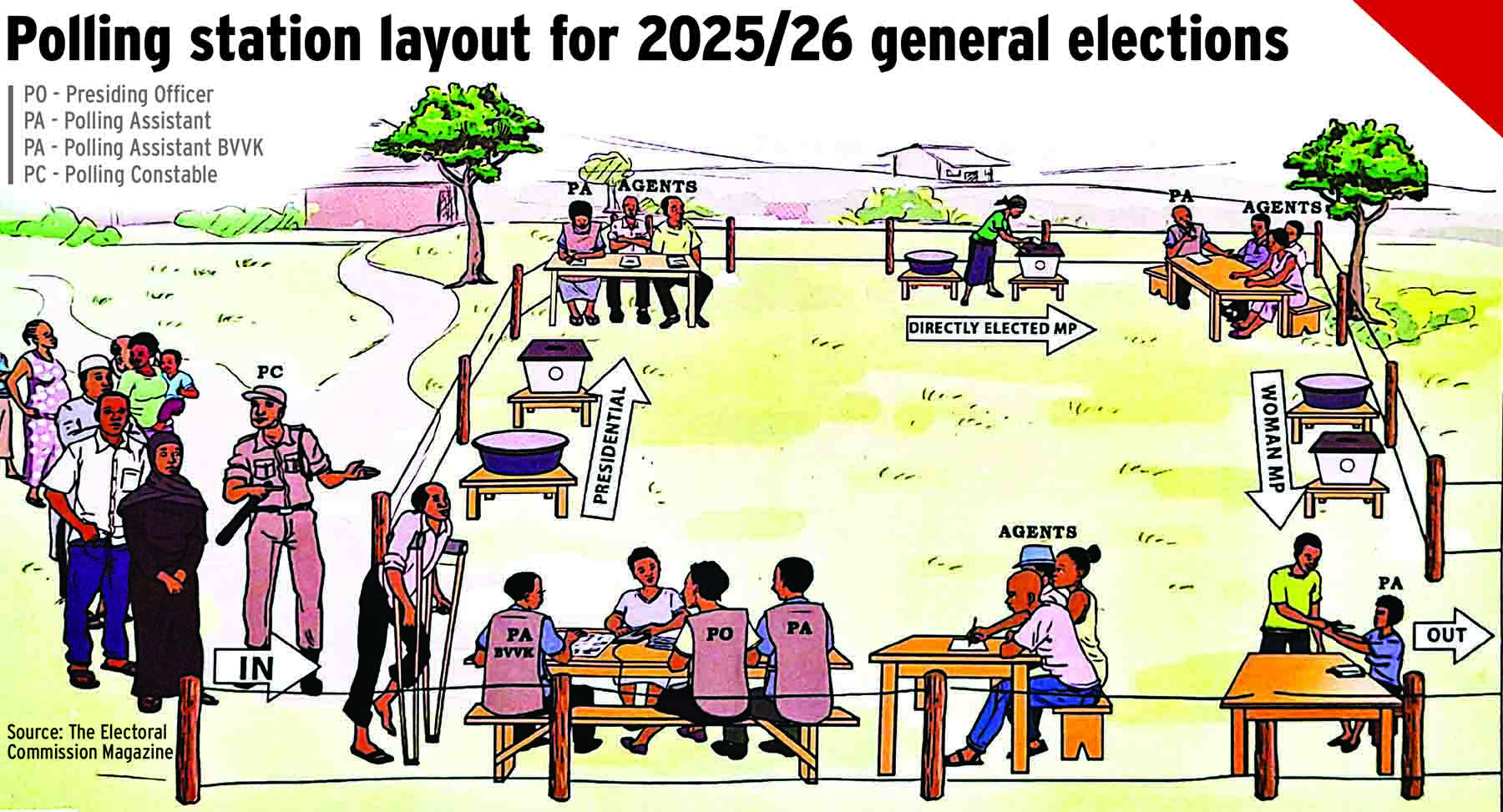
The polls were yesterday at the 50,739 polling stations across Uganda and 21,681, 491 voters were expected to cast their votes in the general election.
This is the fifth successive multiparty general election since the disputed 1980 one, which led President Yoweri Museveni to wage a five-year guerrilla war against Dr Milton Obote’s second government.
He took power against the background of a decade of brutality of Idi Amin’s regime, and has been putting his fate in the hands of the people.
The 81-year-old charismatic leader is now warding off seven rivals, who are also sponsored by political parties.
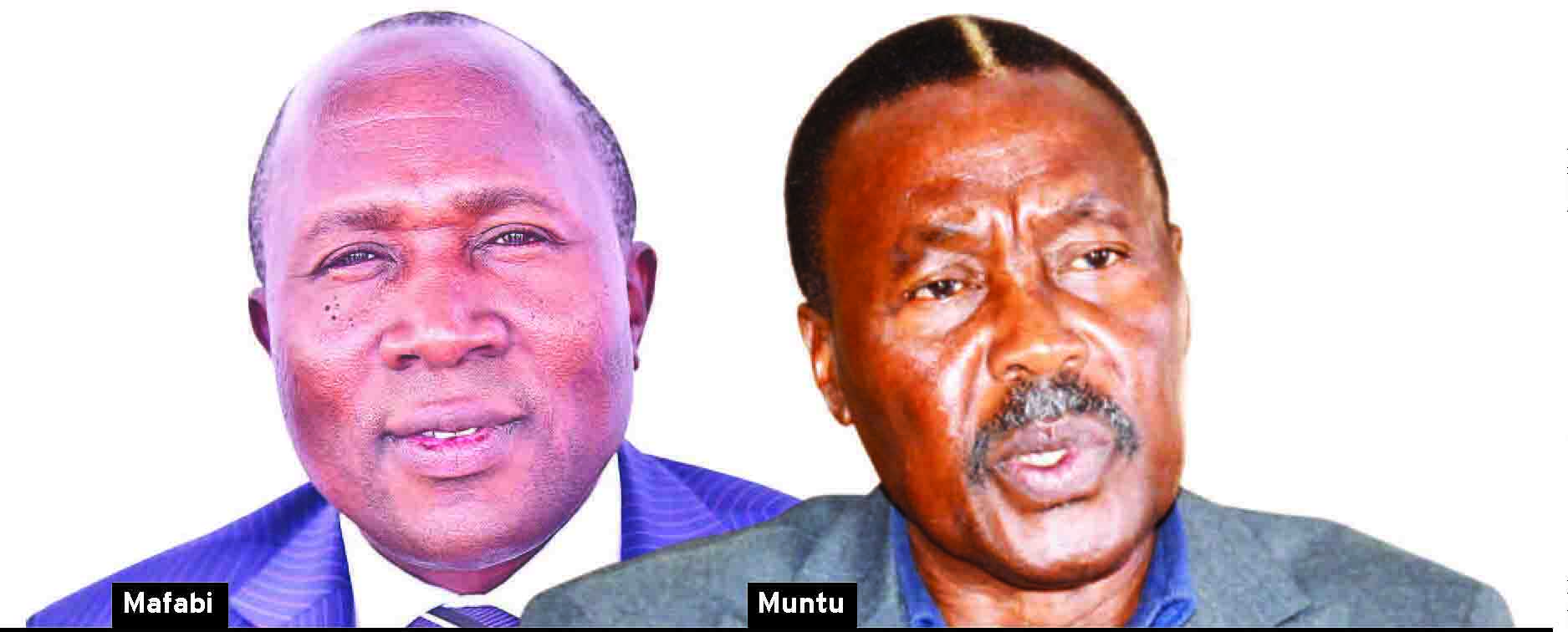
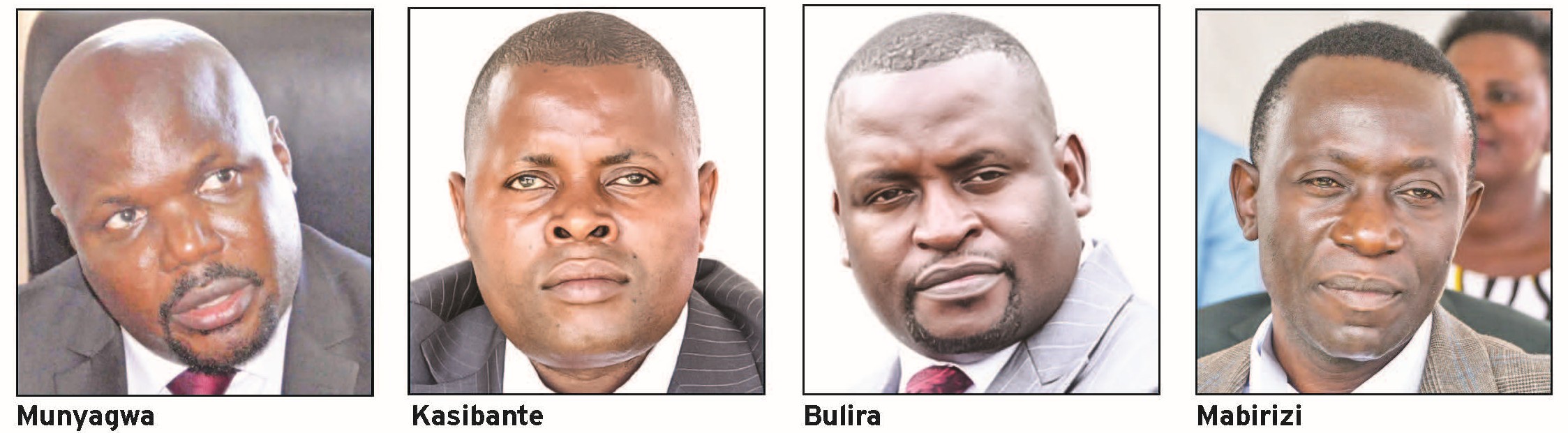
They are Robert Kyagulanyi of National Unity Platform (NUP), Nathan Nandala Mafabi of Forum for Democratic Change (FDC), Mugisha Muntu of Alliance for National Transformation (ANT) and Joseph Kasibante of National Peasants Party (NPP).
Others are Mubarak Munyagwa of Common Man’s Party (CMP), Frank Kabinga Bulira of Revolutionary People’s Party (RPP) and Joseph Mabirizi of Conservative Party (CP).
Analysts say the struggle to anchor campaigns in everyday economic realities, such as cost of living, jobs, service delivery and household resilience featured strongly in campaign outreaches, even when they were sometimes overshadowed by tensions and headline moments.
There was also the issue of pressure of mobilisation versus order and one could tell that candidates were balancing energetic outreach with the legal and security frameworks that govern campaigns, making respect for rules a real test of leadership.
Museveni has been campaigning under the theme: Protecting the Gains, Making a Qualitative Leap into High Middle-Income Status.
The theme focuses on 40-years achievements, such as peace and development, while aiming to propel Uganda to a high middle-income status.
Analysts say Museveni has remained a central figure in Uganda’s politics, despite the changing times and an increasingly youthful population.
His main selling points have been peace and development. The defeat of rebel groups and his role in regional security, make Museveni a familiar and reassuring choice for those who fear instability.
Emmanuel Dombo, the director of information and publicity at the NRM secretariat, notes that in Uganda’s dynamic political landscape, few figures command as much influence and experience as Museveni.
Dombo, who was the Bunyole East MP from 1996-2016, states that for nearly four decades, Museveni has been the face and engine of the NRM, steering the country through difficult transitions while laying the foundation for sustained growth.
“When the NRM took power in 1986, Uganda was reeling from years of political upheaval, insecurity and economic ruin. Museveni’s government brought an end to the chaos, restoring law and order and rebuilding state institutions,” he says.
Today, Dombo argues, Uganda is widely regarded as one of the most stable nations in the Great Lakes region and that this stability has allowed Ugandans to invest, work and plan for their future without the constant fear of violence that once defined daily life.
“Peace is not a small achievement in a region where instability has derailed development in neighbouring countries. Museveni’s steady hand has ensured that Uganda remains a safe destination for investors and a reliable partner in regional security,” he says.
THE RACE TO STATE HOUSE
However, Kyagulanyi and all his opposition colleagues have been focusing on the imperative for the NRM and President Museveni to leave power.
Kyagulanyi says Museveni’s government leaves a lot to be desired and has been urging the electorate to vote him out of office in protest.
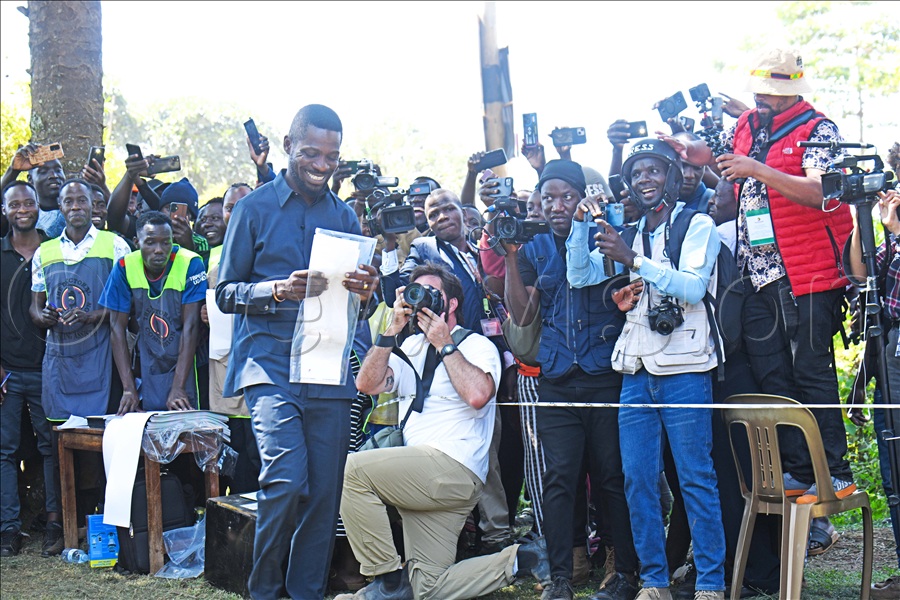
Kyagulanyi Voting
The 43-year-old musician-turned-politician has, therefore, been campaigning under the theme of “A new Uganda”.
“We are going to use this election to protest legally, constitutionally and non-violently. We must mobilise the people of Uganda to come out and vote in very large numbers, numbers that are too big to rig,” he said shortly after his nomination in late September, last year.
“We shall reach a Uganda where you will move in town and not see guns on the streets. A Uganda where teachers, soldiers, health workers and other workers are paid promptly and adequately. A Uganda where traders are not suffocating under exploitative tax regimes. That is a new Uganda that we dream of, that we shall definitely get to,” Kyagulanyi added.
Kyagulanyi, who came second after Museveni in the last general elections, entered elective politics in June 2017, winning the Kyadondo East MP seat with a landslide victory as an independent candidate.
He has since developed a strong reputation as Museveni’s fierce critic and became the face of Uganda’s opposition.
Analysts say his ‘People Power’ movement which morphed into NUP in July 2020 seems to have ignited a certain sense of confidence among young people to be the change they would like to see.
Political pundits also say that unlike other elections, this is clear-cut; one side has positioned itself to show that a lot has been done and, therefore, there are gains to protect and the other side has been out to prove that nothing has been done and there are no gains to protect.
MUSEVENI’S RIVALS SINCE 1996
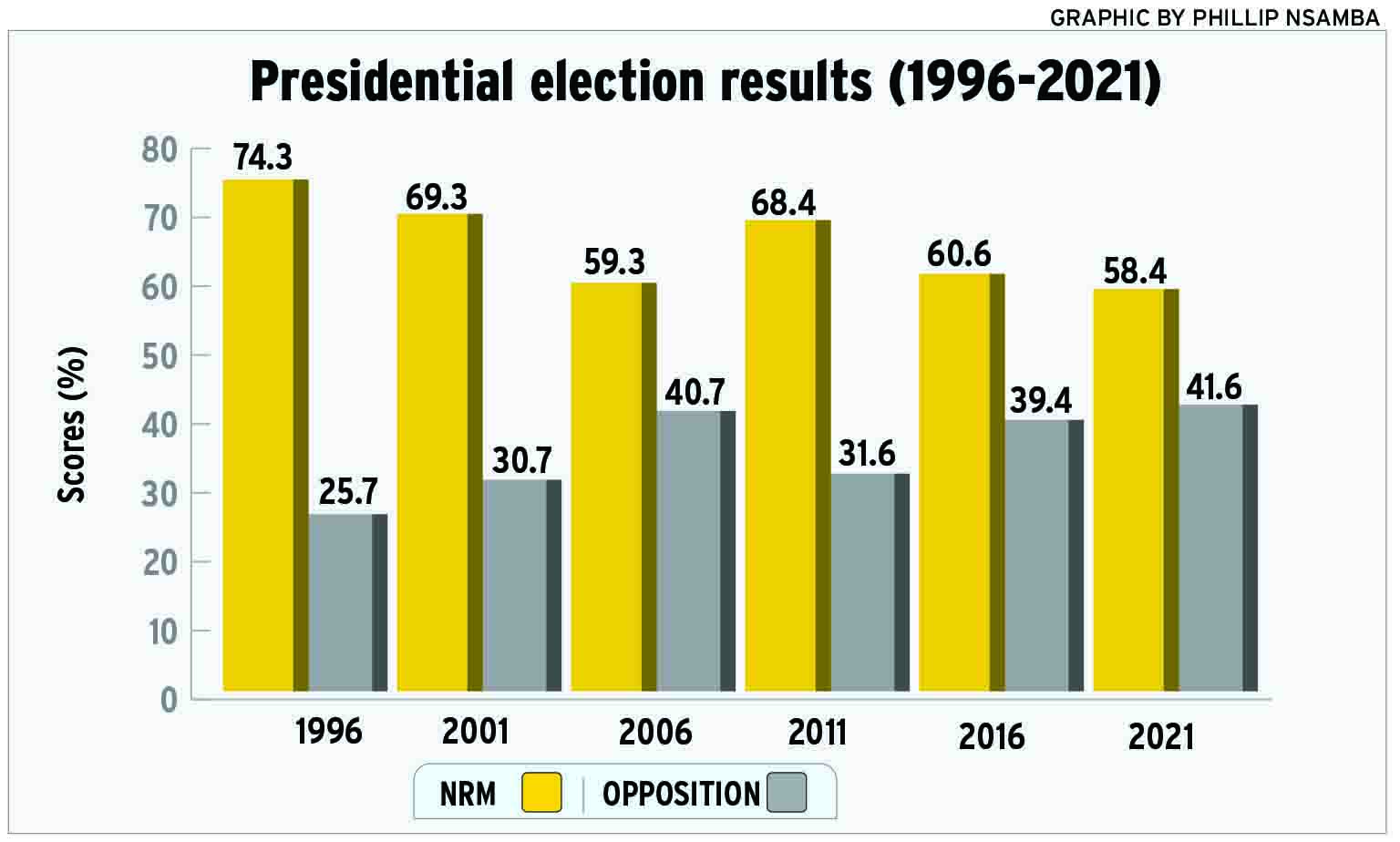
In the 1996 general election, President Yoweri Museveni’s main rival was Dr Paul Kawanga Ssemogerere, who died on November 18, 2022. In 2001, Dr Kizza Besigye emerged on the political scene and became the face of Uganda’s opposition. He contested in the elections of 2001, 2006, 2011 and 2016, losing all of them to Museveni.
Others that have tried without success to mount a significant challenge to Museveni include the deceased former minister Aggrey Awori (2001), John Ssebaana Kizito of Democratic Party (DP), Uganda People’s Congress’ (UPC) Miria Obote (2006), and Norbert Mao, the current DP president and justice minister, who stood twice in the 2011 and 2021 general elections.
Also defeated were UPC’s Dr Olara Otunnu in 2011, former Prime Minister Amama Mbabazi in 2016, Muntu in 2021 as well as Maj. Gen. Benon Biraaro in 2016 and former security minister, Lt Gen (rtd) Henry Tumukunde in 2021.
Tumukunde, a bush war hero, and Mao, are now running for parliamentary seats on the tickets of NRM and DP, respectively.