
Corruption threatens our growth plans, say CSOs
Uganda is estimated to lose sh9.1 trillion each year to corruption according to findings by the Inspector General of Government (IGG).
Jane Nalunga, the executive director at SEATINI makes her presentation during the dialogue. (Photos by Ali Twaha)
________________
The struggle to root out entrenched corruption continues to hold back development and derail efforts to improve citizens’ quality of life, civil society organisations have said.
Speaking during a policy dialogue in Kampala on July 17 under the theme “Promoting Debt and Fiscal Justice for Dignified Lives,” organised by Southern and Eastern Africa Trade Information and Negotiations Institute (SEATINI), policy analysts warned that high and persistent corruption worsens inequality and poverty.
“Corruption increases inequality by making the poor poorer and the rich richer, undermining the possibility of living dignified lives with basic human rights like access to education, health, and clean water,” Jane Nalunga, executive director at SEATINI, said.
Uganda is estimated to lose sh9.1 trillion each year to corruption according to findings by the Inspector General of Government (IGG).
Catherine Natukunda, a Procurement Senior Officer at PPDA.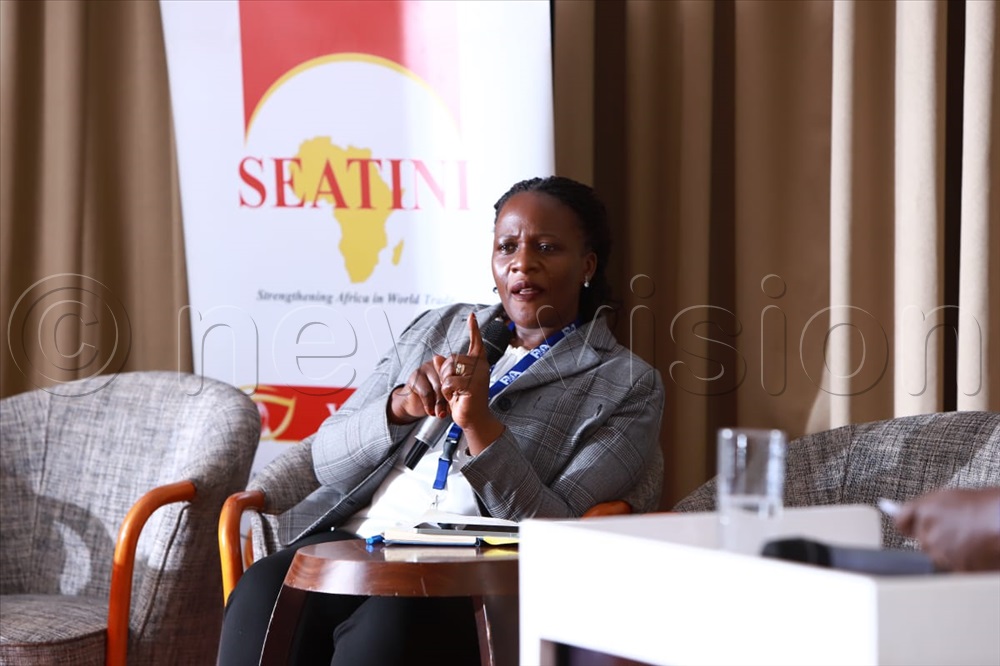
That’s about 44% of the government’s total revenue in 2019.
Illicit financial flows (IFFs) add another layer of loss, according to experts, draining an estimated sh2 trillion annually from the economy.
These flows, often facilitated through anonymous companies, support crimes such as tax evasion, money laundering and even terrorism financing. Experts say the money is usually whisked offshore, making it harder to trace and recover.
“Corruption undermines the realization of intended dividends from debt-financed public investments, with up to 60% of corruption being procurement related, draining funds meant for social services, education, health, and infrastructure,” Hon. Stephen Mukitale MP Buliisa County, said.
These issues take on more weight as Uganda eyes ambitious economic growth. The government is aiming for a tenfold increase in gross domestic product (GDP), targeting a $500b economy by 2040.
To get there, policy analysts say, the government needs to sustain 10% annual growth, up from the current 6.7%, adding that corruption remains a major barrier.
“Uganda’s tenfold growth strategy (Vision 2030/24) is achievable if resources are well-planned and invested in productive sectors, ensuring funds are used efficiently,” Aloysious Kittengo, Tax Policy Analyst at SEATINI, said.
Catherine Natukunda, a Procurement Senior Officer at Public Procurement And Disposal of Public (PPDA) said the government agency is promoting transparency in bidding with its innovative systems.
“PPDA aims to improve visibility, improve transparency of the processes from the planning stage through to contract management. Don't approve a project before you have all the right approvals,” she said.