
Politics
Speaker Oboth hails show of harmony over confrontation in village polls
Speaker Jacob Marksons Oboth says that while healthy competition has its place, harmony among candidates strengthens local democratic participation.
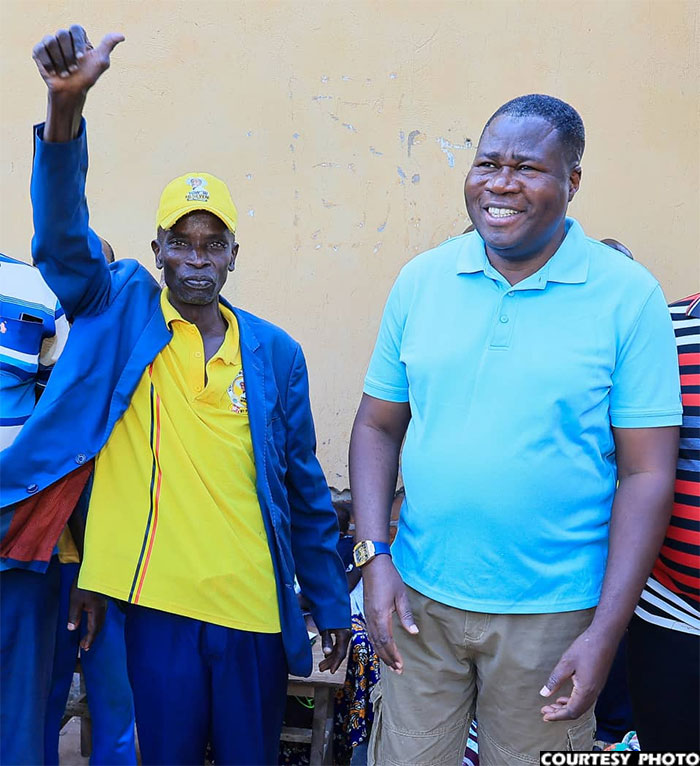
Speaker of Parliament, Jacob Marksons Oboth, commended his community in West Budama Central in Tororo district for embracing dialogue over confrontation in resolving political contests. (Courtesy photo)
By: Admin ., Journalist @New Vision
_________________________
ELECTIONS
The Speaker of Parliament, Jacob Marksons Oboth, has expressed satisfaction with the process of electing village (LCI) chairpersons, saying it is a true reflection of democracy.
Speaking on Tuesday (July 28) after National Resistance Movement (NRM) flagbearer Owino Difasi was declared the unopposed winner for Kyagala 'A' village in Muwafu parish, Nabuyoga town council in Tororo district, Oboth commended the constituents for embracing dialogue over confrontation in resolving political contests.
He said Difasi's win came early after an independent candidate withdrew from the LC1 chairperson race just two days before the election, clearing the way for an uncontested victory.
"This electoral process of democratic participation of our people is required. That the local people get to vote their own," said Oboth, who is also the West Budama Central MP.
"The lining up should be when it comes to the extreme but in most cases, there should be some form of harmony and agreement."
The Speaker said that while healthy competition has its place, harmony among candidates strengthens local democratic participation.
"I want to thank the people of my area, that most of them have gone unopposed and this is good for our democracy, that is by consensus."
Oboth acknowledged that not every race in the area was settled by agreement, saying that in constituencies where contests did take place, he congratulated the winners while encouraging those who lost to remain engaged and try again in future elections.
"The lining up should be when it comes to the extreme but in most cases, there should be some form of harmony and agreement."
The Speaker said that while healthy competition has its place, harmony among candidates strengthens local democratic participation.
"I want to thank the people of my area, that most of them have gone unopposed and this is good for our democracy, that is by consensus."
Oboth acknowledged that not every race in the area was settled by agreement, saying that in constituencies where contests did take place, he congratulated the winners while encouraging those who lost to remain engaged and try again in future elections.
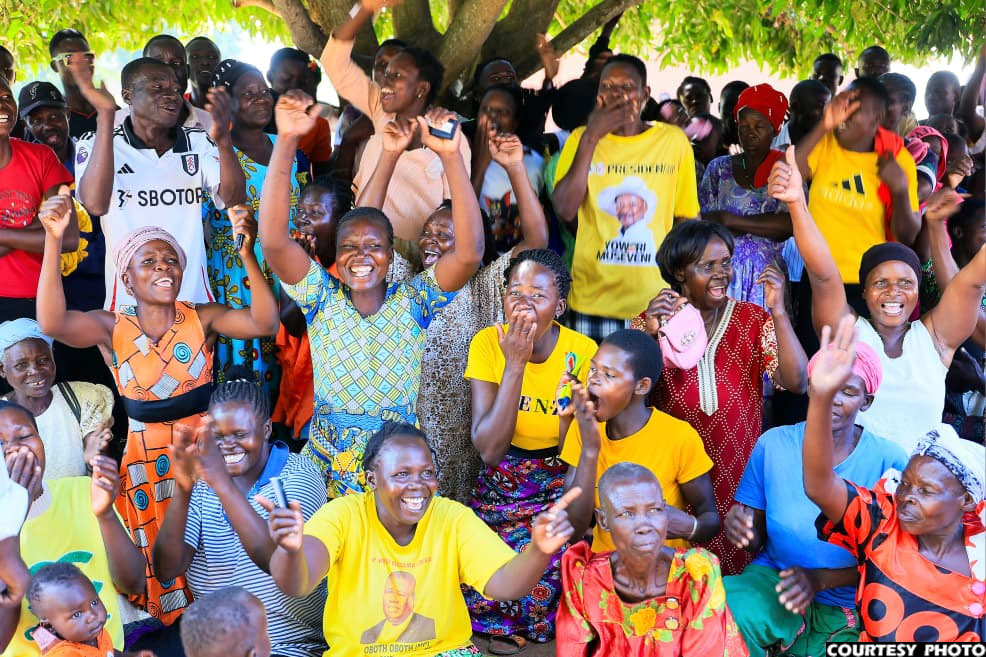
Tuesday's elections were conducted by lining up behind preferred candidates in 71,214 villages across Uganda.
The process started with the assembly and verification of voters, followed by voter education and briefing at designated polling venues across the country. Voting then ensued, followed by counting of votes and declaration of results.
After declaration of results, nomination and approval of executive committee members followed.
WATCH 👇🏽