
Uganda’s sexual harassment laws failing to protect workers, officials say
Nakafeero said institutions need to move beyond having policies on paper and ensure workers have access to confidential and trusted reporting channels, survivor-centred support and clear referral pathways to justice and other services.
Dr Angela Nakafeero, Commissioner for Gender and Women Affairs at the Ministry of Gender, Labour and Social Development, speaking during the event. (Photos by John Musenze)
________________
Uganda has laws and policies to protect workers from sexual harassment and other forms of workplace violence, but weak implementation, limited accountability and distrust in reporting systems are leaving victims without effective protection, officials have warned.
The warning was made during a mid-week dialogue on sexual exploitation and abuse and sexual harassment in public and private investments in Kampala, where government, World Bank, UN and private-sector representatives called for stronger systems to prevent abuse and protect workers.
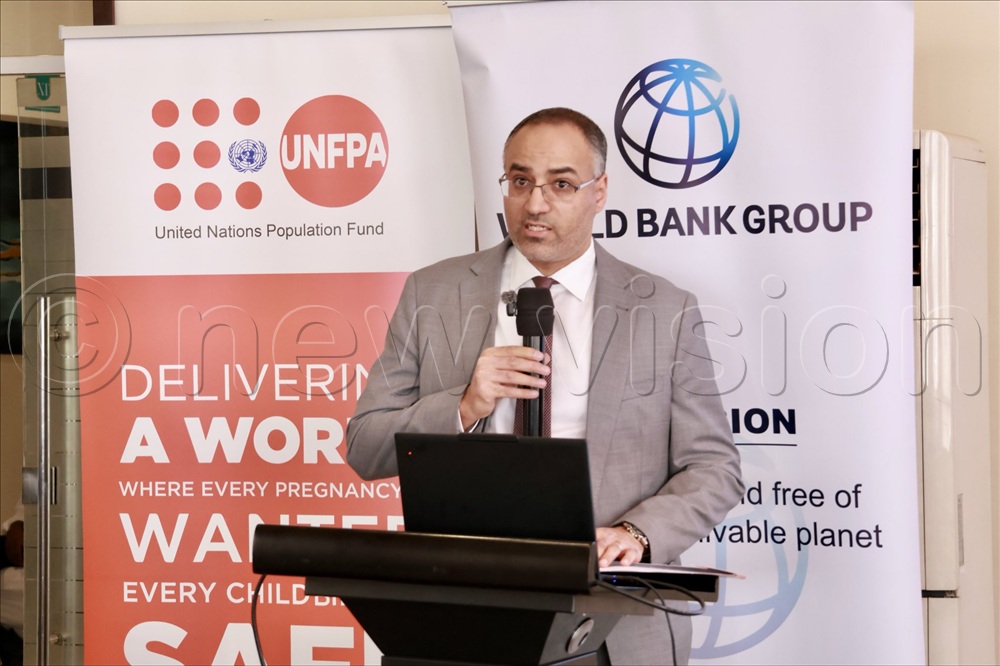
Daniel Alemu, UNFPA Deputy Country Representative said safeguarding should be treated as a leadership responsibility rather than merely a compliance requirement.
Michael Mahrt, a World Bank gender-based violence prevention and response specialist, said Uganda’s laws and institutional policies were effectively a promise to workers that they would be protected and supported if abuse occurred.
He said that the promise was being undermined when institutions failed to act on complaints.
“Confidence is lost when you make a promise you don’t deliver."
Mahrt said some women and girls do not report sexual exploitation, abuse or harassment not because they are unaware of their rights or reporting channels, but because they do not trust the systems to respond.
He cited an experience from an infrastructure project in East Africa where project officials received no reports of sexual abuse despite believing that abuse was occurring.
Mahrt cautioned against simply increasing awareness about reporting without first ensuring that institutions can respond effectively.
He said accountability should apply not only to perpetrators, but also to companies and government institutions that fail to implement safeguards.
He called for stronger requirements for companies seeking major contracts, including trained safeguarding officers and approved policies and systems capable of responding to complaints.
He also said Uganda should consider policy changes to make it easier to hold perpetrators accountable in workplace cases, noting that the evidentiary requirements in labour matters differ from those in criminal cases.
The concerns come against a backdrop of widespread harassment and violence affecting Ugandan women in workplaces and public spaces. Data cited by gender organisations indicates that more than 40% of women in Uganda have experienced sexual harassment in public spaces, including markets and public transport.
Workplace violence is also widespread, with national survey findings indicating that about 80% to 86% of women have experienced some form of violence or harassment at work, including in formal and informal employment.
Verbal abuse accounts for a large proportion of reported workplace incidents, with some survey findings putting it at about 84%.
The problem extends to digital spaces, where about one in three Ugandan women have experienced online gender-based harassment, with sexual harassment accounting for a substantial share of reported cases.
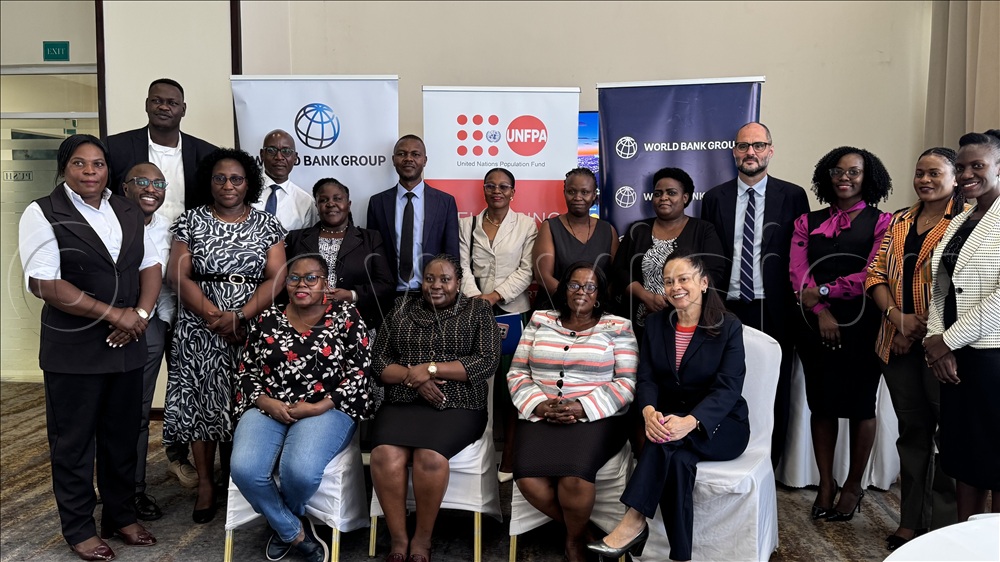
Stakeholders pose for a group photo
Dr Angela Nakafeero, the commissioner for gender and women affairs at the Ministry of Gender, Labour and Social Development, said Uganda had made significant progress in establishing laws and policies, but implementation remained a major weakness.
She cited weak institutional mechanisms, limited accountability and leadership, inadequate oversight of contractors and partners, stigma, limited survivor support and inconsistent enforcement of workplace policies among the challenges.
Nakafeero said institutions need to move beyond having policies on paper and ensure workers have access to confidential and trusted reporting channels, survivor-centred support and clear referral pathways to justice and other services.
She also called for stronger workplace policies, regular staff training, and monitoring and risk assessments to identify potential abuse before it occurs.
The World Bank and International Finance Corporation (IFC) said safeguarding should also be incorporated into the way public and private investments are planned, financed and implemented.
Anita Louise Mwandha, IFC country officer, said every major investment, from roads and schools to factories and farms, brought together workers, contractors, suppliers and communities, creating potential risks that needed to be identified and managed.
She said failure to address sexual exploitation and harassment could result in staff losses, reduced productivity, legal action and reputational damage for companies, while potentially affecting their access to finance.
Daniel Alemu, UNFPA deputy country representative, said safeguarding should be treated as a leadership responsibility rather than merely a compliance requirement.
He said creating safe workplaces requires prevention, accountability, survivor-centered responses, and institutional culture change.
The participants called for stronger coordination between government, development partners, businesses and civil society to close the gap between Uganda’s legal protections and what workers experience in practice.