
NPA boss advocates for estate planning to protect wealth
Muvawala said Uganda’s ambition to grow its economy from about US$50 billion to US$500 billion by 2040 depends not only on creating wealth but also on protecting family businesses, land and investments from succession disputes and fragmentation.
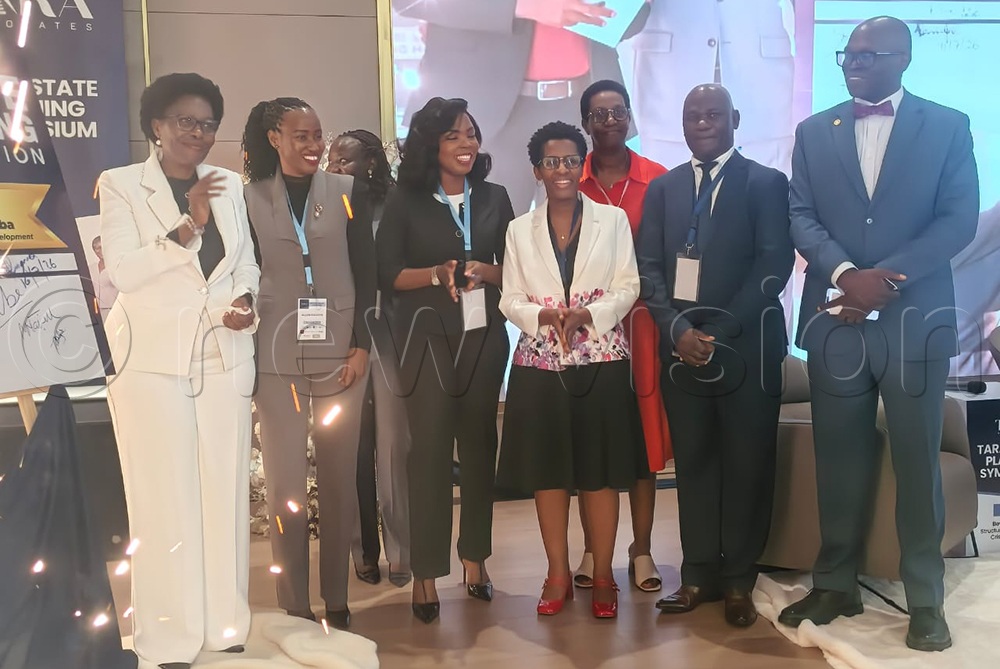
Nabakooba called on Ugandans to focus on building lasting institutions alongside accumulating wealth, stressing that estate planning should be viewed as a necessity rather than something to be considered after a crisis arises. (Credit: Michael Odeng)
KAMPALA - National Planning Authority (NPA) executive director Dr. Joseph Muvawala has advised Ugandans to embrace estate planning as a critical tool for preserving wealth, strengthening family businesses and supporting the country’s long-term economic transformation.
Delivering the keynote address at the TARA Advocates Estate Planning Symposium at Arirang Hotel in Kampala on Friday, Muvawala said wealth creation alone is insufficient unless deliberate measures are taken to ensure assets remain productive across generations.
The symposium was organised under the theme, “Beyond Wealth: Structuring for Continuity, Crisis and Legacy”.
Muvawala said Uganda’s ambition to grow its economy from about US$50 billion to US$500 billion by 2040 depends not only on creating wealth but also on protecting family businesses, land and investments from succession disputes and fragmentation.
“Estate planning should no longer be viewed as a private family matter. It is an important contributor to Uganda’s long-term development,” Muvawala said.
He explained that estate planning provides a legal and financial framework for managing assets in the event of incapacity or death, ensuring businesses continue operating, beneficiaries are protected, and wealth continues generating income and investment.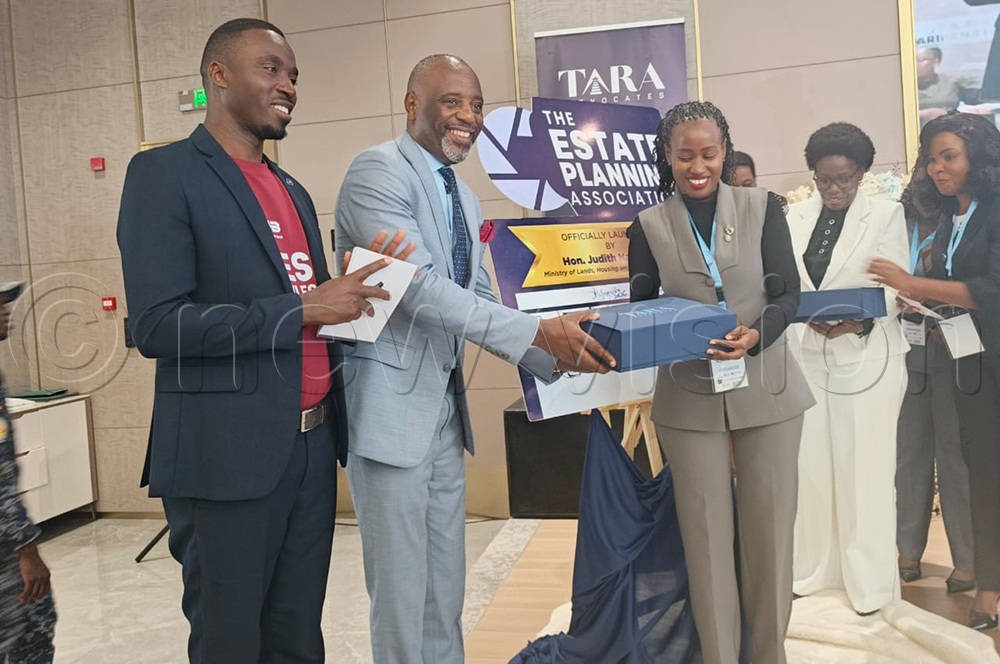
According to Muvawala, many successful enterprises collapse after the death of their founders because of poor succession planning, while family land becomes fragmented through inheritance disputes.
Muvawala stated that Uganda has legal frameworks governing succession, including the Succession Act, Trustees Incorporation Act, Companies Act and Land Act, but noted that many citizens neither understand nor utilise them effectively.
He challenged families to adopt wills, trusts, family companies and other legal structures that promote business continuity while preserving the productive value of assets.
The lands minister, Judith Nabakooba, urged Ugandans to embrace estate planning, saying the profession has the potential to become a key partner in national development if it continues to uphold high professional standards, invest in public education, and contribute to legal and policy reforms.
Nabakooba said every generation has a duty to leave the country better prepared than it found it, noting that proper estate and succession planning is essential to protecting families, businesses, and the nation’s wealth.
She said effective estate planning helps preserve family relationships, safeguard dependants, strengthen businesses, and ensure that property remains productive instead of becoming a source of conflict.
Nabakooba said Government will continue strengthening the legal and administrative framework that supports estate planning.
The minister said the true measure of a generation would not only be the wealth it creates but whether that wealth continues to benefit families, remains productive, and creates opportunities for future generations.
Nabakooba called on Ugandans to focus on building lasting institutions alongside accumulating wealth, stressing that estate planning should be viewed as a necessity rather than something to be considered after a crisis arises.
She said estate planning affects everyone regardless of their social or economic status and challenged those who understand its importance to spread the message within their families, workplaces, and communities.
The minister warned that many people overlook the possibility of illness or incapacity, leaving their assets vulnerable to abuse and family disputes when they are no longer able to make decisions for themselves.
“Too often, the people who exploit such situations are our relatives, children, spouses, or trusted friends. People we expect to protect our interests sometimes become the very ones who fight over or mismanage what we worked so hard to build,” she noted.
She encouraged stakeholders to put appropriate legal arrangements in place while they are still able to make informed decisions, saying estate planning provides certainty, protects loved ones, and helps prevent unnecessary family conflict.
The Uganda Law Society vice president, Anthony Asiimwe, noted that a number of matters relating to the administration of estates end up in disputes, regardless of whether the estate is large or small.
This, he said, underscores the urgent need for effective succession and estate planning.
Asiimwe, however, urged stakeholders to shift their focus towards policy reforms and national development initiatives that strengthen Uganda’s legal and institutional framework for estate planning and administration.