
Judiciary, Ministry to discuss Uganda Law Society impasse
“The issue of ULS not being represented in JSC [Judicial Service Commission] and the new law year. Chair, I request that we reserve this to be presented to our top leadership when we interact with them. Like the Under-Secretary (Maureen Kasande) has said, we are going to harmonise on the dates. We will notify you accordingly,” Alum stated.
Chief Registrar Agnes Alum disclosed this on August 20, 2026, while appearing before members of parliament (MPs) on the Legal and Parliamentary Affairs Committee. (Credit: Maria Wamala)
KAMPALA - The Judiciary is set to discuss with its top leadership the growing impasse with the Uganda Law Society (ULS) on a yet-to-be-designated date.
Chief Registrar Agnes Alum disclosed this on August 20, 2026, while appearing before members of parliament (MPs) on the Legal and Parliamentary Affairs Committee.
Her remarks followed concerns raised by committee chairperson John Teira (Bugabula North, NRM) over the deteriorating relationship between the Judiciary and ULS.
“The issue of ULS not being represented in JSC [Judicial Service Commission] and the new law year. Chair, I request that we reserve this to be presented to our top leadership when we interact with them. Like the Under-Secretary (Maureen Kasande) has said, we are going to harmonise on the dates. We will notify you accordingly,” Alum stated.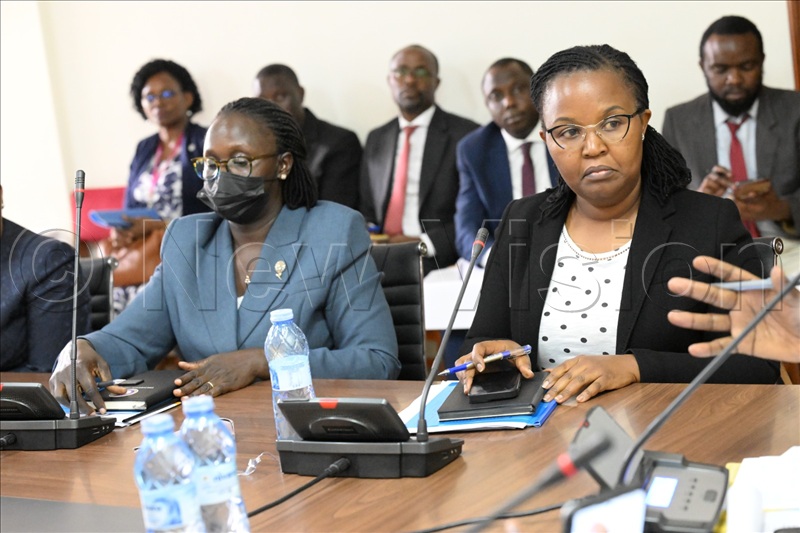
Her remarks followed concerns raised by Teira over the deteriorating relationship between the Judiciary and ULS, which has seen the society ostensibly blocked from addressing key events, as has been the practice in the past.
“We have made it so difficult to have a close relationship with the Uganda Law Society. Some of these judicial officers cannot even be easily communicated to as people in administration. They say, ah, these are lawyers. I was even disappointed that now even the president of the Uganda Law Society (Isaac Ssemakadde) no longer has space to speak at the opening of the new law year,” Teira raised.
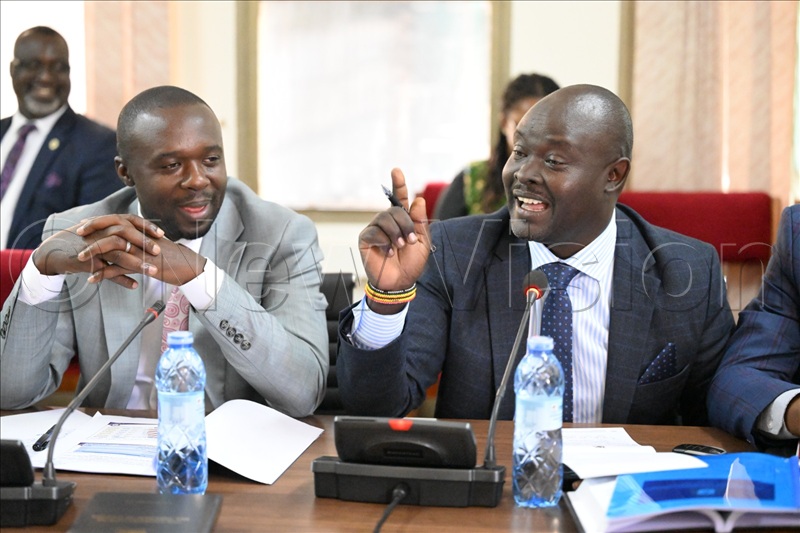
He was joined by Cohen Amanya Kyampene (Igara West, NRM), a lawyer with practising experience in Kenya, who said, for an unknown reason, the society has to this day been barred from assuming its seat on a top decision-making body charged with the recruitment and disciplining of judicial officers.
“We are concerned as members of the Uganda Law Society. The Judicial Service Commission came here and told us; the Judiciary issued orders, and they are obeying the orders. The Judiciary issued orders halting a constitutional process; up to now, I don’t know how many years it has taken, the Law Society is not represented on the Judicial Service Commission. That means views of the lawyers regarding recruitment are not captured,” Amanya pointed out.
“Don’t you think that the views of so many advocates are not being heard and that’s why we are having complaints against the judges and magistrates?” he posed.
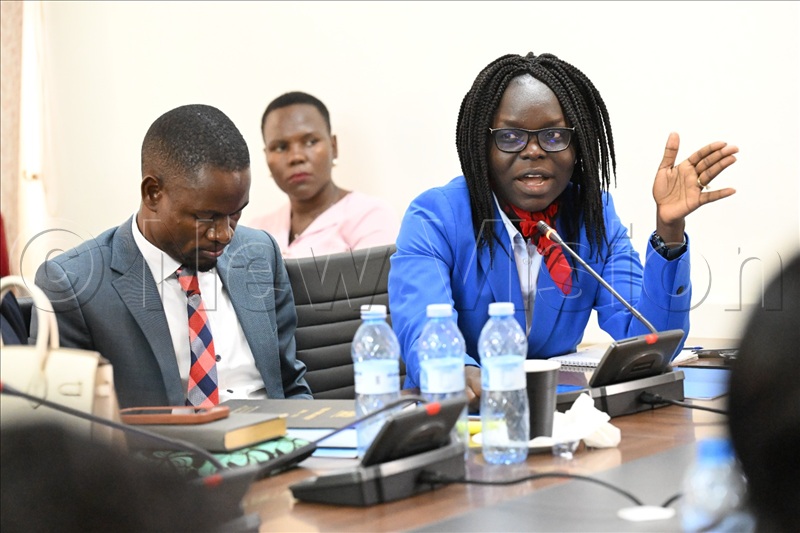
On April 8, 2025, Justice and Constitutional Affairs Minister Norbert Mao said that he had reached out to both parties in a bid to restore normalcy.
“On the question of harmony between the Uganda Law Society and the Judiciary. I was at the premises of the Uganda Law Society at their invitation, and some people thought I wouldn’t go. But if I could go to Joseph Kony’s camp in Garamba, what is this Uganda Law Society which is in Kololo? A place which doesn’t have any security threat at all. In principle, all parties agreed that mediation is the way to go,” Mao revealed at the time.
“I spoke to the Attorney General (Kiryowa Kiwanuka) himself. He really feels constrained to fight back, but he believes there should be a method and said, it is okay, proceed with what you want. I told the Chief Justice (Owiny Dollo); he gave his conditions — everybody has a condition. The rest of the answers, we shall supply in writing,” he added.
His comments were triggered by concerns raised by Kibale MP Richard Oseku Oriebo (NRM) and his Erute South counterpart Jonathan Odur (UPC).
“There is concern about the acrimonious relationship between the Uganda Law Society and the Judiciary recently. Especially in the current leadership of ULS, and to some extent it is causing a bit of discomfort for the seekers of justice. As the regulator of this profession, what have you done to try to harmonise and put to proper discipline the two in order to work together, because the two need each other?” Oseku posed.
“As we speak now, one of the statutory heads of the bar, Isaac Ssemakadde, is in exile. It is something that is bothering all of us. Can’t we have leadership on that, so that one way or the other, this matter is resolved? I have now seen many lawyers who are very afraid to even speak in public or to give their opinions because they think a judicial officer will just sit, constitute himself into a court, hear the evidence from himself and others, and then convict and even issue the warrants,” Odur inquired.