
Bunyoro Kingdom welcomes group support therapy in HIV-induced depression treatment
The workshop highlighted findings from research conducted by the Medical Research Council (MRC) on the impact of group support psychotherapy in helping people living with HIV cope with depression and social stigma.
Barbara Kemigisa, the founder of the Barbara Kemigisa Foundation, said the project was unique because people living with HIV actively participated in the research process. (Photos by Rhyman Agaba)
________________
Bunyoro Kingdom and officials from the health sector have welcomed the use of Group support psychotherapy (GSP) as an effective approach in addressing depression, stigma and mental health challenges among people living with HIV/AIDS.
GSP is a culturally sensitive intervention that aims to treat depression by enhancing social support, teaching coping skills, and income-generating skills.
This was during the Mental Health Data Prize; GSP dissemination workshop, which brought together over 60 government officials, cultural leaders, health experts, researchers and beneficiaries from the Bunyoro region. The workshop was held at Hoima city-based Hoima Buffalo Hotel on May 8, 2026.
The workshop highlighted findings from research conducted by the Medical Research Council (MRC) on the impact of group support psychotherapy in helping people living with HIV cope with depression and social stigma.
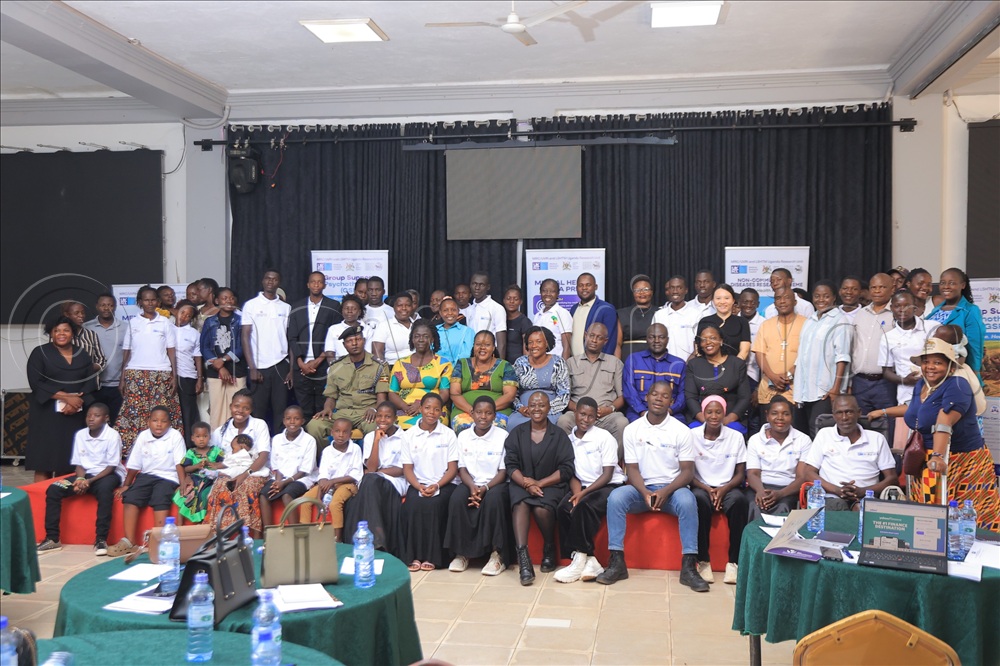
One of the emotional moments at the event came from youthful peer educator and event host, Joram Talemwa, who shared his experience of stigma while in secondary school.
“When I was still in Senior One, someone broke into my suitcase in the dormitory and threw out my HIV medication to prove to other students that I was HIV-positive,” Talemwa said.
Talemwa, now a youth advocate for GSP programmes, said group therapy has helped many young people regain confidence and fight stigma associated with HIV/AIDS.
Representing the Bunyoro Kingdom was Robert Rukahemura Isabarongo Akiiki, head of the kingdom’s social affairs department, which oversees social services and cultural affairs.
He commended the Medical Research Council for introducing group support psychotherapy, describing it as an important intervention in addressing rising cases of depression among young people.
He added that the findings would help strengthen the kingdom’s clan leadership structures, especially in mentoring young people and addressing family breakdowns.
“Most of our work is done through clan leaders at the cluster level, and this information will help us to mentor and guide our children, especially the youth and broken families, which is a big challenge today,” he explained.
Rukahemura appealed to the Medical Research Council to continue engaging communities and sharing more information that can support cultural institutions in addressing mental health challenges.
Recovery from depression
The event attracted religious leaders, mental health experts and medical professionals from across the country. Among the notable guests were Hoima city mayor Brian Kaboyo, Prof. Etheldreda Nakimuli, an associate professor at the London School of Hygiene and Tropical Medicine, and representatives from various HIV support programmes, including the Barbara Kemigisa Foundation.
Nakimuli explained that recovery from depression is a gradual process that unfolds over time through emotional support and strengthened coping skills.
“The skills were the drivers of recovery by the end of therapy, and these include venting or emotional expression, being able to talk about your problems,” she said.
She added that acceptance and spiritual coping were among the major discoveries from the research findings.
“We also noticed that people who quickly picked up the skill of acceptance-initiated healing from depression. Spiritual coping, believing in a higher power, also influenced recovery at the end of therapy,” Prof. Nakimuli noted.
Barbara Kemigisa, the founder of the Barbara Kemigisa Foundation, said the project was unique because people living with HIV actively participated in the research process.
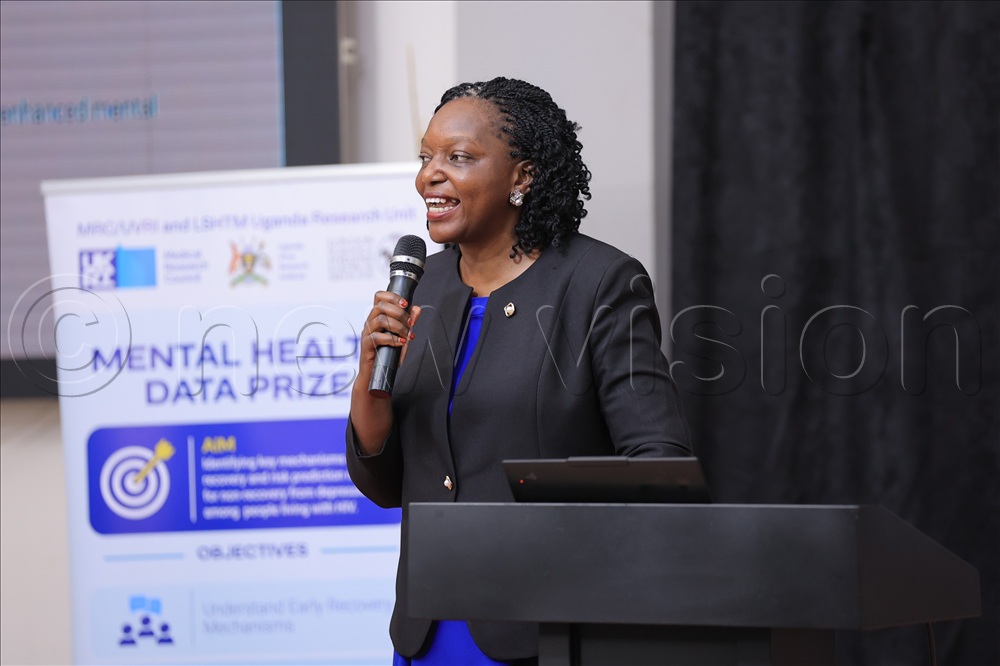
“This is the very first project where people living with HIV are part of the report process,” Kemigisa said.
Kemigisa also shared her personal testimony of transformation from a former street child in Kampala to now running a foundation that supports vulnerable people living with HIV.
Peer support systems
Dr Charity Masika, a paediatrician at Hoima Regional Referral Hospital, said the number of health workers handling mental health cases remains inadequate and called for integration of peer support systems into healthcare delivery.
“We need to find ways of integrating it into our health modalities and use the help of peer workers. That will help our health workers not to drop it,” Dr Masika explained.
Hoima deputy Resident City Commissioner Denis Nkunda, who represented the guest of honour, said scaling up GSP sessions across government institutions would help reduce depression, family conflicts and domestic violence.
“If the Government could allow all these government entities to have such sessions, then the message would spread rapidly and save those experiencing depression,” Nkunda said.
William Nabangi, principal psychiatric clinical officer at Hoima Regional Referral Hospital, emphasised the need for awareness campaigns targeting young people and communities.
“It is very expensive to treat depression, and it takes quite a while for total healing to be achieved,” Nabangi said.
“I call upon everybody to embrace GSP, and this needs to be cascaded to all health facilities,” he added.
Nabangi further called for capacity building among health workers to identify symptoms of depression early and prevent cases that may lead to suicidal tendencies.
The workshop concluded with Prof. Nakimuli and Nkunda awarding certificates of recognition to participants and beneficiaries who contributed to the research process, including Talemwa and Kemigisa.