
How Matende is helping boys get off streets
"The sponsorship programme supports families before children are forced onto the streets," says Matende, who also serves as a pastor at the ministry. "Our transitional programme focuses on children who are already living on the streets because their families have broken down."
After completing their training, the boys receive start-up tools instead of cash to help them begin earning a living. (Credit: Maureen Nakatudde)
At first glance, the man behind Benjamin House Ministries does not look like someone running a rehabilitation programme for former street children. His youthful appearance might make you wonder whether you have been introduced to the right person.
But Joachim Matende is indeed the co-founder and driving force behind Benjamin House Ministries.
Together with Burks Rogers, a pastor from South Carolina (U.S.A), Matende established the organisation in 2016 to rescue, rehabilitate, and reintegrate boys living on the streets with their families and communities.
Since then, the ministry has supported more than 340 children and their families.
Giving them a home
Beyond rescuing boys from the streets, Benjamin House Ministries also runs a family sponsorship programme aimed at preventing vulnerable children from ending up on the streets.
"The sponsorship programme supports families before children are forced onto the streets," says Matende, who also serves as a pastor at the ministry. "Our transitional programme focuses on children who are already living on the streets because their families have broken down."
According to Matende, a child living on the streets is often a sign that something has gone wrong at home.
"We work to restore those family relationships so that children can return home," he says.
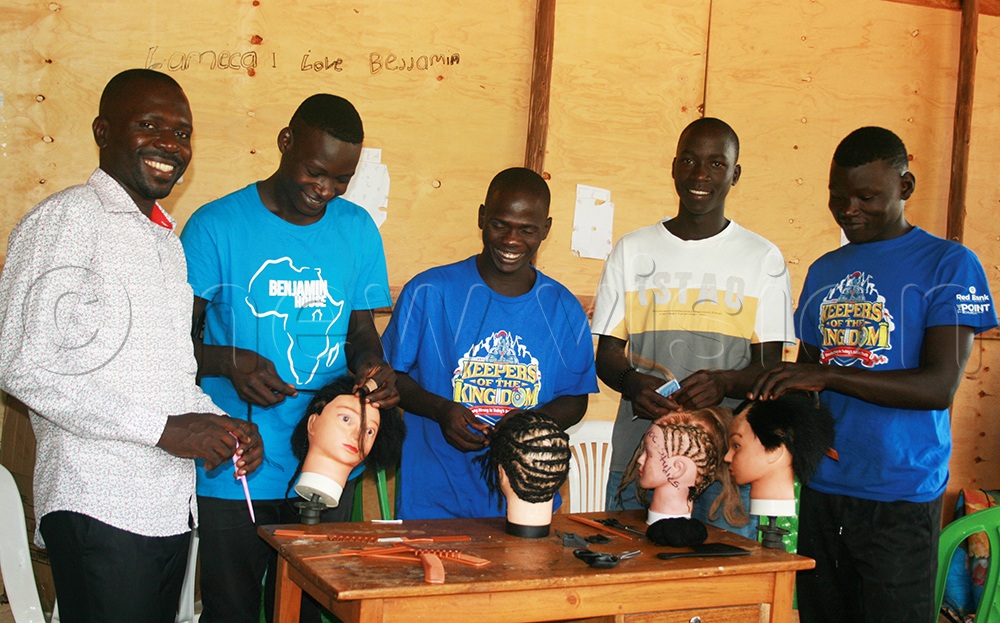
Unlike children's homes where residents may stay indefinitely, Benjamin House Ministries provides temporary care while equipping the boys with practical vocational skills such as carpentry, mechanics, hairdressing, and tailoring.
After completing their training, the boys receive start-up tools instead of cash to help them begin earning a living.
"Those trained in tailoring leave with sewing machines, while others receive the equipment they need for their trade," Matende says. "We also pay three months' rent and provide food for the first month. That gives them a chance to start life independently."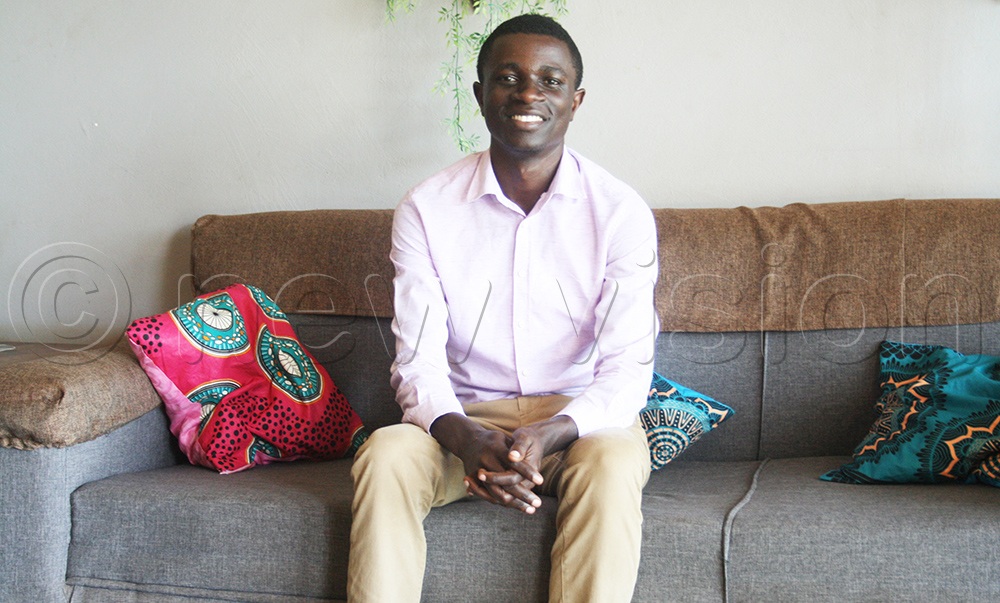
"We need more support from individuals and organisations so that we can reach many more children in need," Matende says.
Getting boys off the streets
Each year, the ministry admits about 12 boys into its rehabilitation programme. However, not all complete the six-month journey.
He says the first three weeks are the most critical.
"Many are excited to leave the streets because life there is hard. But once they enter a structured family environment, some struggle with the adjustment while others rediscover a sense of belonging and choose to stay."
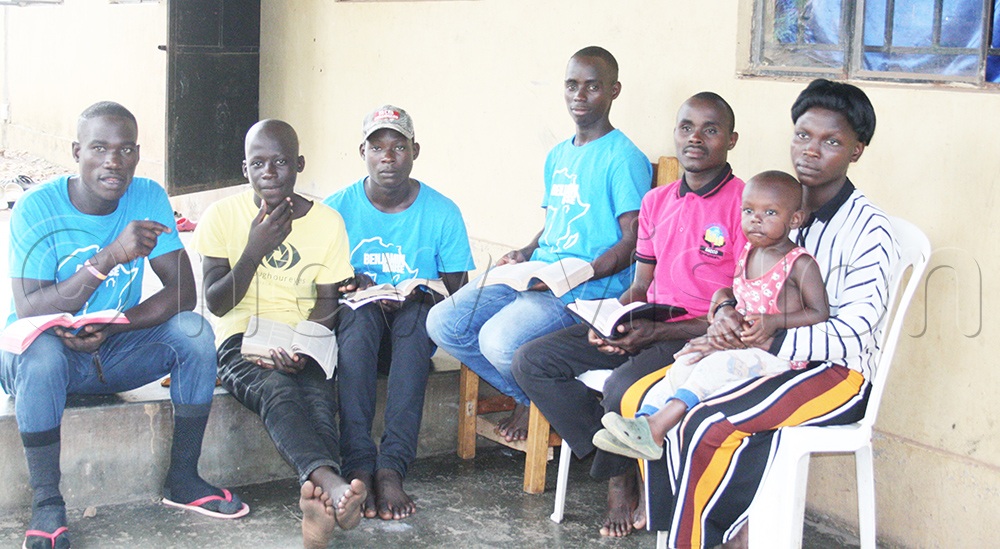
During rehabilitation, the boys are placed in three foster families that are closely supervised by pastors, church leaders, and Local Council leaders.
Counselling and healing
Before reintegration begins, the boys undergo counselling to address the trauma that led them to street life.
"We first seek to understand what went wrong," says Prossy Nyafono, Partnerships Director at Benjamin House Ministries. "What pushed them onto the streets? We help both the children and their families learn how to become a family again."
Nyafono explains that children who have lived on the streets for more than five years often need help relearning basic social skills.
"They have to learn how to share, trust others, and live within a family setting again," she says.
Mariam Matama, one of the foster mothers, says the adjustment can be challenging.
"Some do not want to bathe, while others refuse to help with household chores," she says.
Building new routines
Despite these challenges, Matama says foster parents receive counselling and guidance on how to support the children.
"We are encouraged to be patient and consistent," she says.
She adds that maintaining daily routines helps the boys feel secure.
"There is a time for Bible study, meals, bathing, schoolwork, and bedtime. Those routines give them structure and stability."
One of the boys the ministry rescued, whom they call Vincent (not his real name), had spent six years living on the streets after leaving home in Arua at the age of eight.
"His uncle took him from his mother, promising to educate him," Nyafono says. "Instead, he forced him to work and subjected him to abuse."
Eventually, Vincent ran away and joined other children living on the streets.
"Back in the village, his mother believed he was safe because she trusted the uncle. She had no idea what had happened."
When Benjamin House Ministries traced Vincent's family and shared his story, his mother was devastated.
"She broke down in tears and kept asking, 'How is that possible?'"
The organisation helped reconcile Vincent with his family. Today, he is back in school and is studying in Senior Two.
Nyafono says family tracing was not originally part of the programme.
"Initially, we only rehabilitated the boys and trained them for six months," she says. "But we realised that lasting change requires reconnecting them with their families whenever possible."
Before any child completes the programme, the ministry ensures there is a safe and supportive family environment to return to.
"Even when relationships are strained, we work towards forgiveness and reconciliation," Nyafono says. "That allows the child to move forward without carrying the emotional burden of unresolved family conflict."
Challenges
Rehabilitating former street children requires significant resources.
"When the boys come to us, many need counselling, medical care, food, education, vocational training, and support during reintegration," Matende says. "All of this is costly."
He adds that while the ministry would like to rescue more boys from the streets, limited funding remains its biggest challenge.
"We need more support from individuals and organisations so that we can reach many more children in need," he says.