
Makerere aims to defend East African Debate title
The 10th edition of the championship, which was launched on July 27 at the university, has attracted participants from 23 universities across the region. Debates will cover various topics, including regional cooperation, agriculture, education, technology, finance, and governance.
Students doing a master round at the opening ceremony of the East Africa Debate at Makerere University on 27th July 2026. (Photo by Nicholas Oneal)
_________________
Makerere University is preparing to host the East African Universities’ Debate Championship, aiming to retain the title it won last year at the State University of Zanzibar.
The 10th edition of the championship, which was launched on July 27 at the university, has attracted participants from 23 universities across the region. Debates will cover various topics, including regional cooperation, agriculture, education, technology, finance, and governance.
The week-long event will culminate in a debating challenge, with the winner receiving sponsorship to participate in the upcoming Pan African Debate to be held in Nigeria.
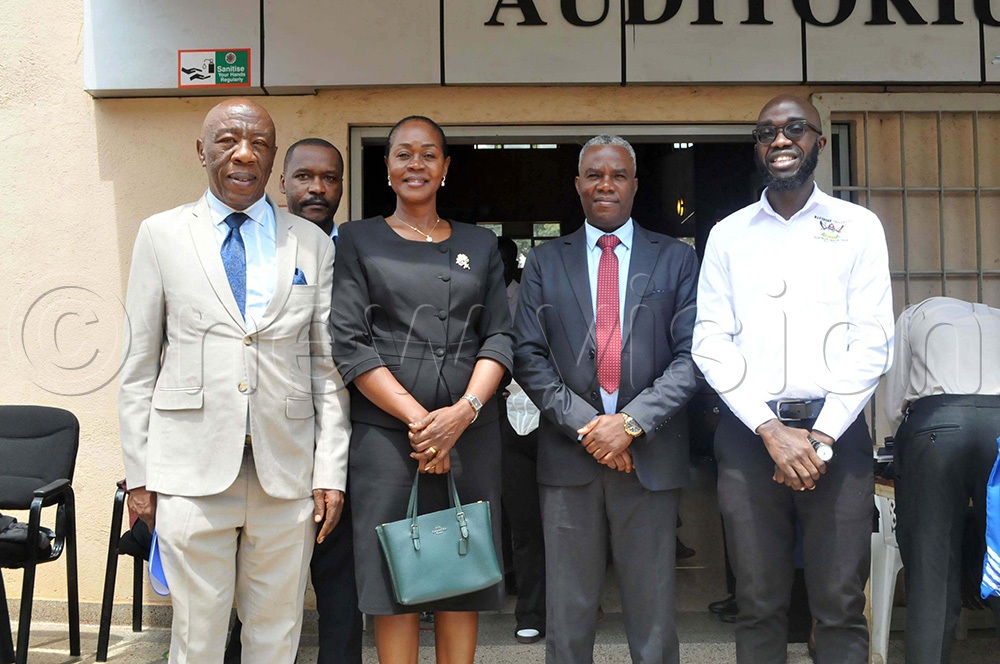
(L-R): Henry Arinaitwe, the Deputy Vice Chancellor, Makerere University, with Winifred Kabumbuli, the Dean of Students, Makerere University, Gervais Ndayizeye, the Senior Exchange and Programmes Officer, Inter University Council for East Africa and Arthur Akatwijuka, the chairperson of the Makerere University Debate Union, at the opening ceremony of the East Africa Debate at Makerere University on 27th July 2026. (Photo by Nicholas Oneal)
"You have the opportunity to meet others, including those from Kenya and fellow Ugandans, allowing you to build a network. Through collaboration, we can create communities that are stronger and more resilient," he stated.
An alumnus, Julius Mucunguzi, the Head of Public Relations at the Electoral Commission, highlighted that debating is one way in which leaders can be identified, imploring the youth to participate as East Africa’s democracy is anchored on them.
“The clarity of thought you put in the debate, the ideas you present, the ability of these peers and seniors to follow your ideas is in many ways part of what builds leadership,” he noted.
Expectations
For Natasha Ndar, a student at Strathmore University in Kenya, she looks forward to seeing appreciation of intellectualism during the debates, as well as building friendships that could be of paramount importance in the future.