
Pre-election disputes: High Court judges recalled from leave
The development, according to the Judiciary, is in a bid to race against time to dispose of the matters before the Electoral Commission prints ballot papers for the forthcoming 2026 General Election.
Principal Judge Jane Frances Abodo delivering her opening remarks during the training for Registrars on case management for election petitions. This was at the Judiciary headquarters in Kampala on Monday, December 22, 2025. (Photos by Mpalanyi Ssentongo)
________________
All High Court judges on leave have been recalled to handle pre-election disputes.
The development, according to the Judiciary, is in a bid to race against time to dispose of the matters before the Electoral Commission prints ballot papers for the forthcoming 2026 General Election.
Principal Judge Jane Frances Abodo made the revelations while opening a training workshop for the court registrars, deputy registrars and assistant registrars at the Judiciary headquarters in Kampala today, December 22, 2025.
“In 2021, we handled 179 post-election disputes and only two pre-election matters. Today, even before nomination, we have over 40 pre-election matters, which must be finalised before the ballot papers are printed just weeks from now. We have, therefore, recalled all judges that have been on leave to handle these matters,” Abodo said.
Justice Prof. Andrew Khaukha, Executive Director ITI (left) and Principal Judge Jane Frances Abodo during the training for Registrars on case management for election petitions. 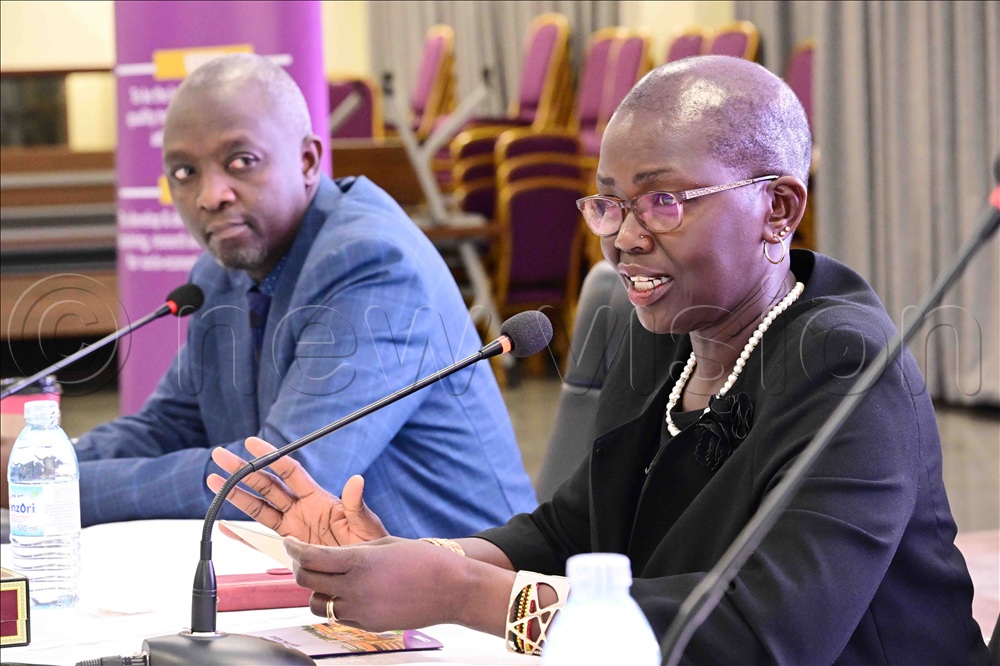
Data from the Judiciary indicates that there are 85 High Court judges of the 151 approved numbers.
Abodo urged the registrars who have been on leave to respond positively if recalled to support the judges in the disposal of the cases.
“This happens once in five years. Any pre-elective case has to be handled centrally,” Abodo said.
Forward all files
As custodian of the court registry’s countrywide, Abodo appealed to the registrars to forward as filed all pre-election matters at their respective courts to the Civil Division of the High Court in Kampala, the focal division for handling the disputes.
Pre-election matters relate to the nomination of candidates. Article 61(f) of the Constitution and Section 15 of the Electoral Commission Act clothe the commission with powers to handle the nomination disputes.
However, the aggrieved parties have a right of appeal to the High Court, whose decision is final in the pre-election matters.
Underscoring the importance of training, Abodo noted that credible elections depend not only on the ballot but also on public trust in the institutions that safeguard electoral integrity.
“The Judiciary’s reputation in this regard rests equally on the quality of adjudication and the efficiency, transparency and accuracy of our administrative process,” Abodo said.
Abodo said the specialised training for the judicial officers was designed to sharpen their administrative toolkit for the electoral dispute management in addition to strengthening their practical skills, promoting consistency and reinforcing best practices in handling election petitions.
“A single procedural lapse, however unintended, can have far-reaching consequences for the court, for the parties and for the public's confidence in the democratic process,” Abodo said.
Deploy the best
In the wake of the electoral disputes, Abodo appealed to the registrars to position their best staff in the registries and also to remind them of the need for personal integrity and the need to maintain proper records.
“Your duty extends to meticulous management of the registries. You have to ensure timely issuance of the hearing notices, secure custody of sensitive election materials, accurate preparation of cause lists and efficient coordination of processes such as vote recounts, where applicable, all while upholding strict timelines prescribed by law,” Abodo said.
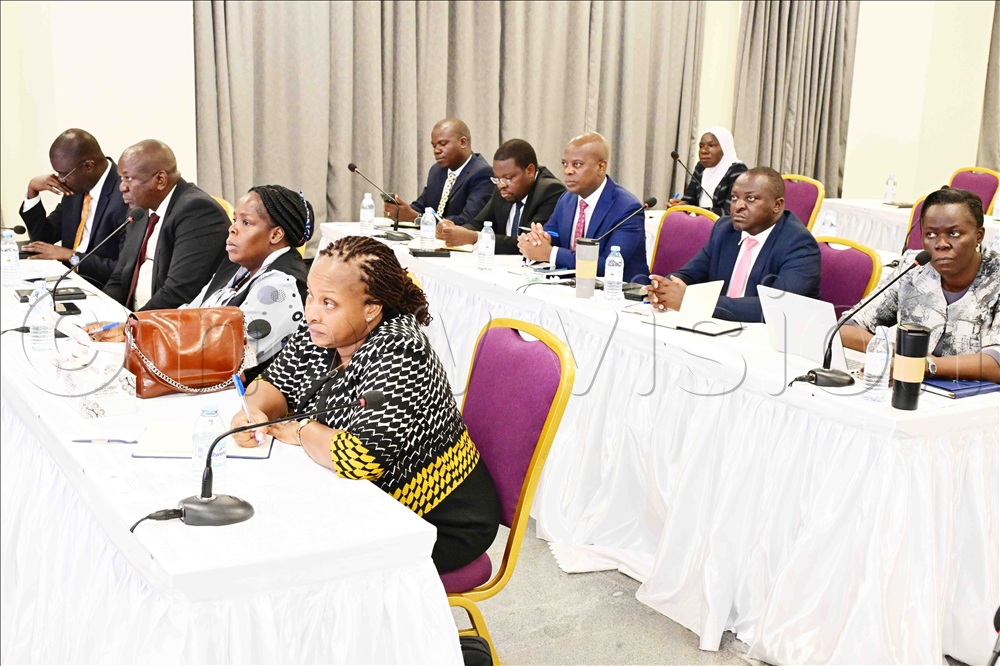
So far, the Judiciary has disposed of one case, upholding the disqualification of Mathias Walukagga from the Busiro East race, affirming the Electoral Commission's decision that his certificate of mature age/aptitude test had expired at the time of his nomination.
Mind your security
Because of the sensitivity of the electoral disputes, Abodo has appealed to the judicial officers to mind their safety and well-being during the electoral period.
“Election duties can be demanding and occasionally risky. Stay alert, consult widely and raw on the research resources available through our libraries and the Uganda Legal Information Institute (ULII) for well-grounded decisions,” Abodo said.
Based on the surge in the pre-election disputes from two in the previous electoral cycle to over 40 in this electoral cycle, Abodo said they also anticipate the post-election disputes to increase from 179 in the previous electoral cycle, urging the judicial officers to brace for a busy year.
Prof. Justice Andrew Khauka, the executive director of the Judicial Training Institute (JTI), said they designed the training for the judicial officers in electoral disputes to equip them with the technical knowledge and confidence to handle the electoral disputes.
“We have had good facilitators on electoral matters, and we believe that we are very ready to handle these electoral disputes with confidence and in a timely manner,” Khauka said.