
In Serere, voters ask for clean water, electricity
“We cannot talk about development when even the simplest journey becomes a struggle. Serere needs roads that allow people to work, trade and access services without fear. If elected, I will not beg for roads; I will demand them. Serere has been patient long enough,” MP Ochola said.
Serere Woman MP aspirant Deborah Akiteng also pressed the need for clean and accessible water. She told supporters that 80 per cent of residents consume unsafe water and many walk long distances to boreholes.
SERERE - In Awoja Trading Centre in Olonakana Sub-county, sorghum wholesaler Charles Osomun has spent the past five years building a business that has become the lifeline of his family.
Sorghum is widely grown in the area, though it is not the district’s biggest cash crop, and Osomun collects it from small farmers and sells it in bulk in major towns like Kampala.
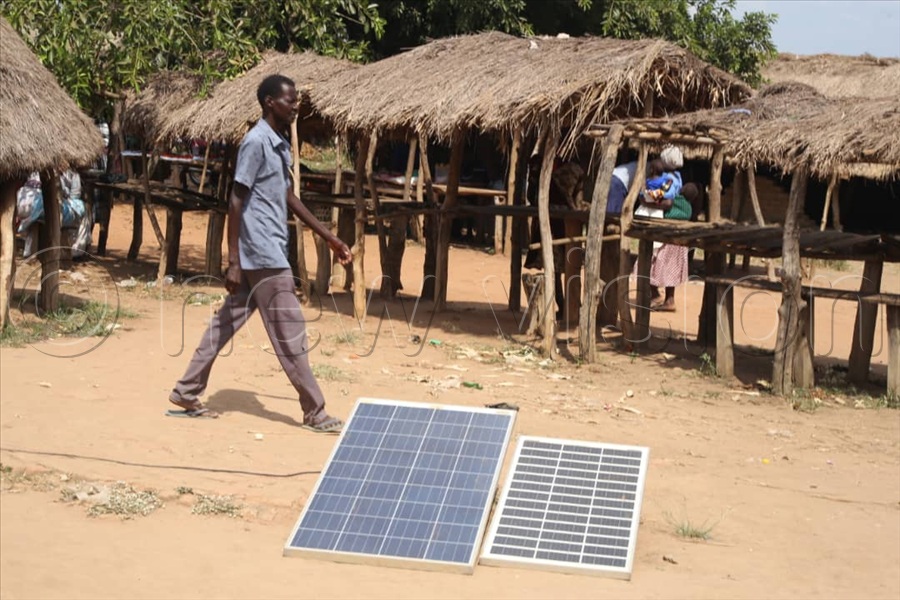
His hustle is, however, constantly undermined by the absence of electricity in the entire sub-county, forcing residents to rely on solar panels and paraffin candles to power their shops and homes.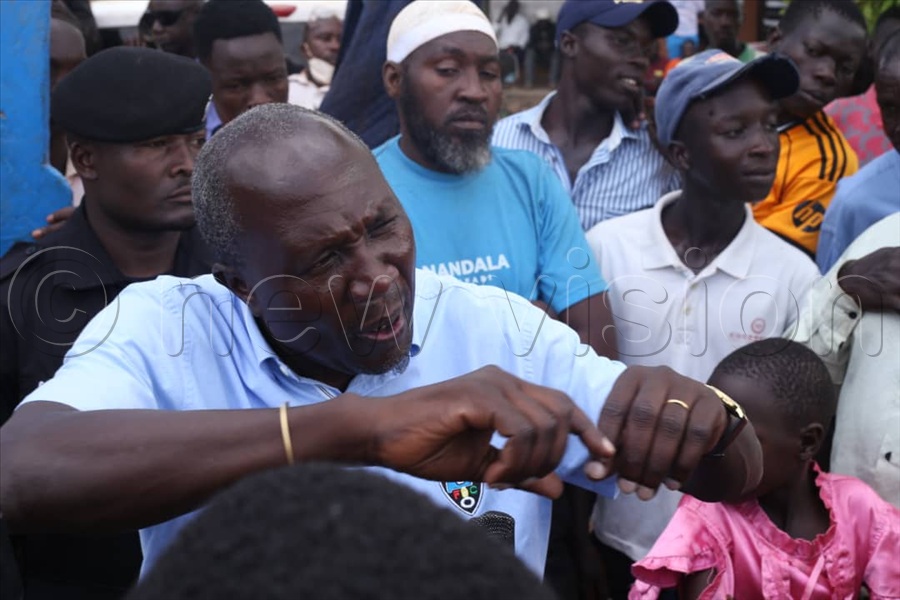
During the FDC presidential candidate’s tour of the district, several teenage girls along the route revealed they had dropped out of school, citing hardships at home, a reflection of the rising teenage pregnancy rates that continue to worry local leaders. (All Photos by Alfred Ochwo)
Osomun recalls how his business almost collapsed when COVID-19 struck.
“I had just started my business a few weeks before the lockdown. Because mine was a shop that attracted many people, I closed it completely for safety until the restrictions were relaxed,” he told New Vision.
When business resumed, mechanical weighing scales became unreliable for the large quantities he handled. Fellow traders advised him to buy an electric weighing scale, which required a large solar panel and three extra batteries, an investment of nearly sh10 million.
Even then, he says, the solution was not sustainable.
“When the weather is bad, the solar can power the weighing scale for only six hours. After that, I am forced to measure in small portions of 2–5 kilograms, even if the customer brings a tonne. Electricity would be the biggest push government can give us. With power, people would make money. Phone charging costs sh1,000, and we could open salons and drinks businesses, but now we are limited. Government surveyed the whole sub-county in 2021, but to date we haven’t seen even a single electric pole.” he said.
Beyond the lack of power, Osomun says communities suffer from poor and dusty roads and widespread water scarcity. Women and children in parts of Serere walk nearly two miles just to reach a borehole.
During the FDC presidential candidate’s tour of the district, several teenage girls along the route revealed they had dropped out of school, citing hardships at home, a reflection of the rising teenage pregnancy rates that continue to worry local leaders.
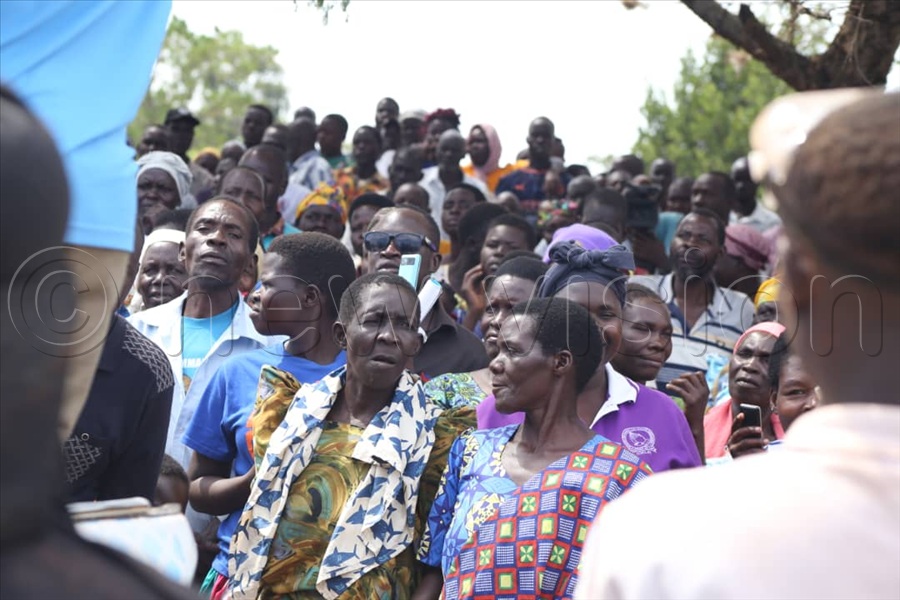
Serere’s challenges go deep as area leaders point to poor health infrastructure, corruption in service delivery, chronic drug shortages, crop pests, transport difficulties and the mismanagement of government programs such as the Parish Development Model.
Coupled with rising social issues, these gaps have intensified calls for better governance.
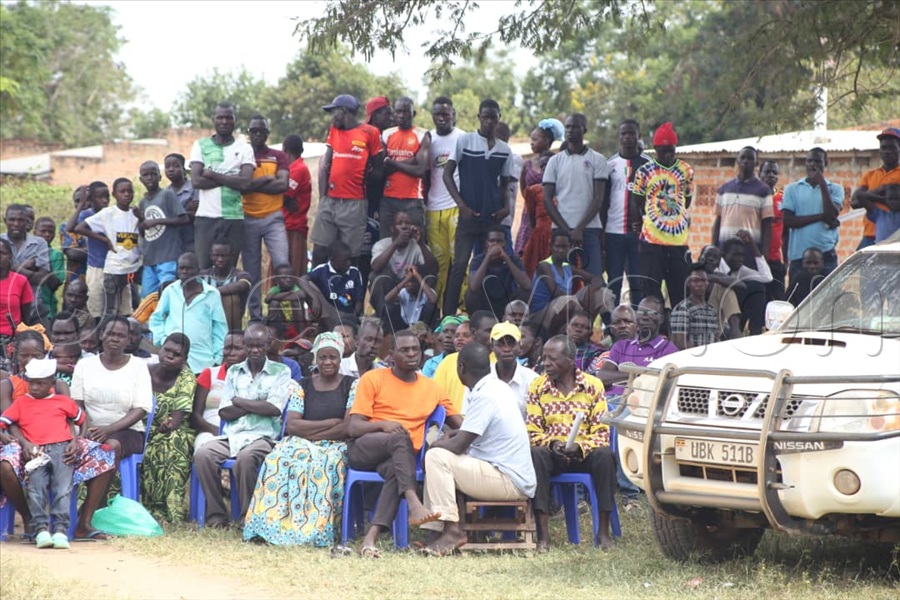
Forum for Democratic Change (FDC) presidential candidate James Nathan Nandala Mafabi spent a full day in Serere district, meeting voters and outlining his plans for national transformation. Nandala expressed deep concern about the absence of electricity in fishing and farming communities.
“People want to have fridges here, yet there is no power, not even power for their homes. In our manifesto, we are very clear: we want this place to have power, to power their houses and their businesses. But what has this government done? Instead of bringing electricity to the people of Serere, they took power to Sudan,” he said.
Agriculture remains a key pillar in his manifesto. Nandala pledged to provide coffee seedlings and revive cotton growing to boost household incomes.
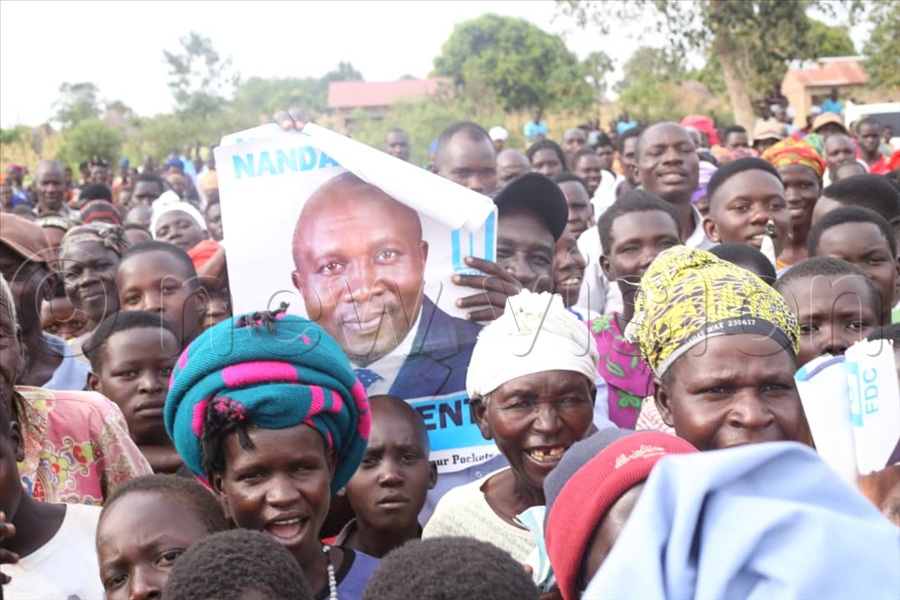
“We are going to give them the cotton and also plant one million coffee plants to see that they grow well. For us in Bugisu, a kilo of coffee now goes for sh18,000. Our cooperation, which has existed since colonial times, can be exemplary to Serere as well,” he said.
He also criticised government for importing fruit concentrates while farmers in the region struggle with low farm-gate prices.
“Your oranges and mangoes are being bought for sh2,000 a big basin, yet we import the same at sh8,000-20,000. We are going to invest in the fruit factory here in Serere. This factory should be developed so that we export, not import. Two weeks ago, when we raised this issue again, officials suddenly said they would allocate US$30 million. Where have they been for 40 years?” he said.
As Nandala traversed for votes across Serere, he told supporters that with proper leadership, Ugandans could benefit equally from national resources.
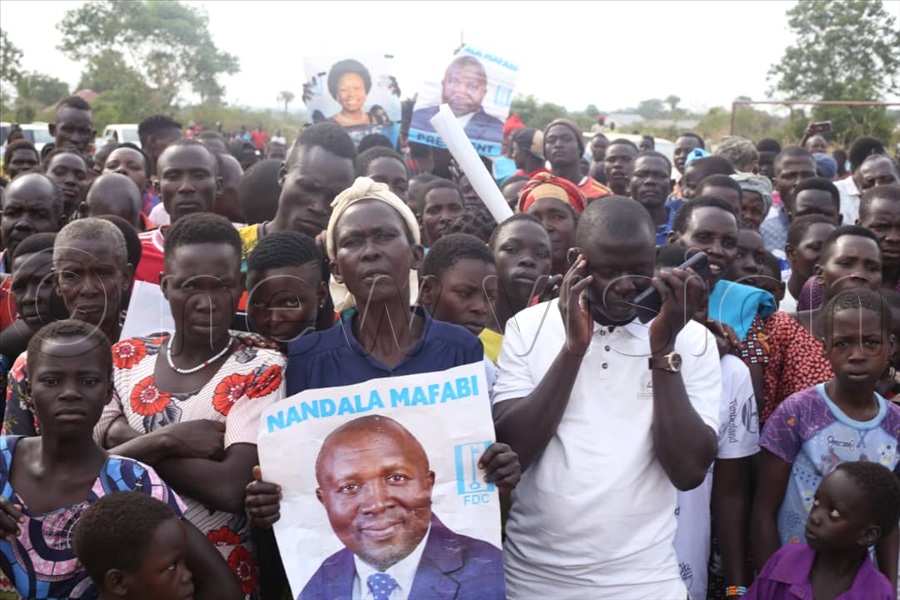
He continues his campaign today, Saturday, 6 December, heading to Bukedea and Kumi districts in the Teso sub-region with 40 days for Uganda to choose the next president for the five-year term.
Voices from the Serere
Local leader David Ejory, a village councillor, said electricity remains one of their most urgent needs.
“We are lacking boreholes, and the roads are bad. Eventhough the drugs at the health centre get finished quickly, they bring them once a month, and they are over. Serere is a rural district, so big and without tarmac. I appeal to the next government to be considerate of rural districts by bringing services closer.”
Serere Woman MP aspirant Deborah Akiteng also pressed the need for clean and accessible water. She told supporters that 80 per cent of residents consume unsafe water and many walk long distances to boreholes.
“If government can deliver water to other regions, why can’t it reach Serere? All we are asking for is fairness. Our people deserve the same level of service as every other Ugandan,” she said.
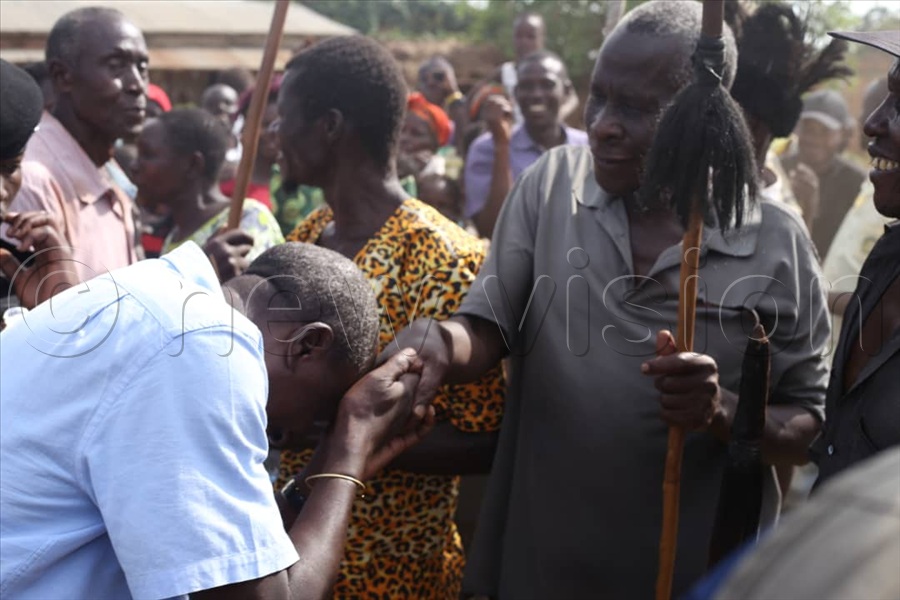
Serere County MP aspirant and FDC flag bearer, Stephen Ochola urged government to prioritise the district’s roads, arguing that their poor condition has crippled trade and emergency transport.
“We cannot talk about development when even the simplest journey becomes a struggle. Serere needs roads that allow people to work, trade and access services without fear. If elected, I will not beg for roads; I will demand them. Serere has been patient long enough,” he said.
Serere remains a competitive political battleground between the opposition and the ruling National Resistance Movement.
According to Electoral Commission results, NRM won the 2021 presidential vote with 38,555 votes, followed by FDC’s Patrick Oboi Amuriat with 26,722 votes. The district’s four parliamentary seats were split evenly between two Independents and two NRM candidates.