
News
President Museveni calls for export-led mindset shift
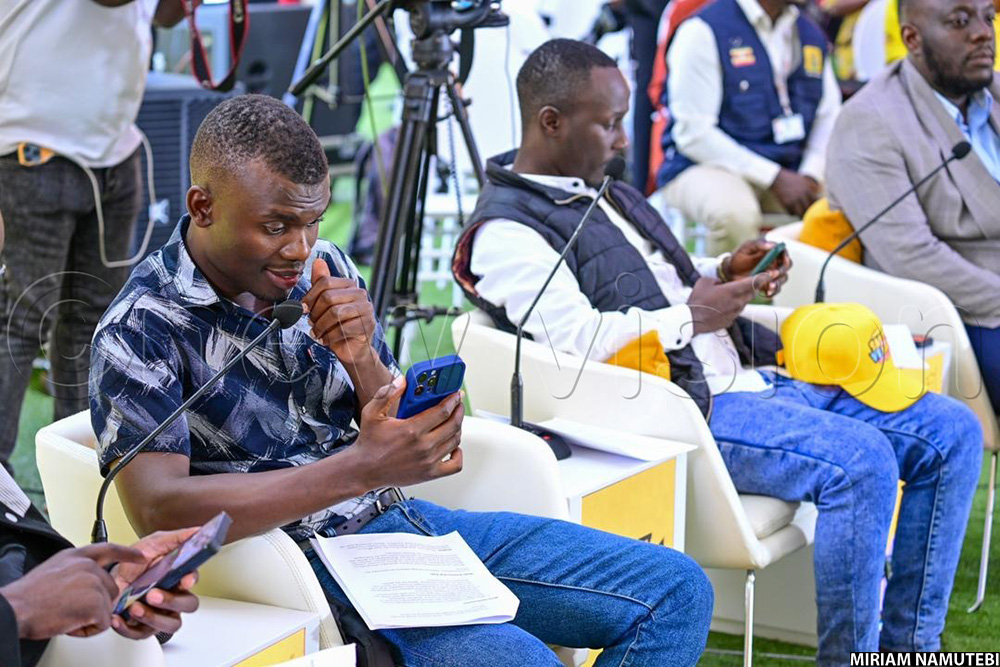
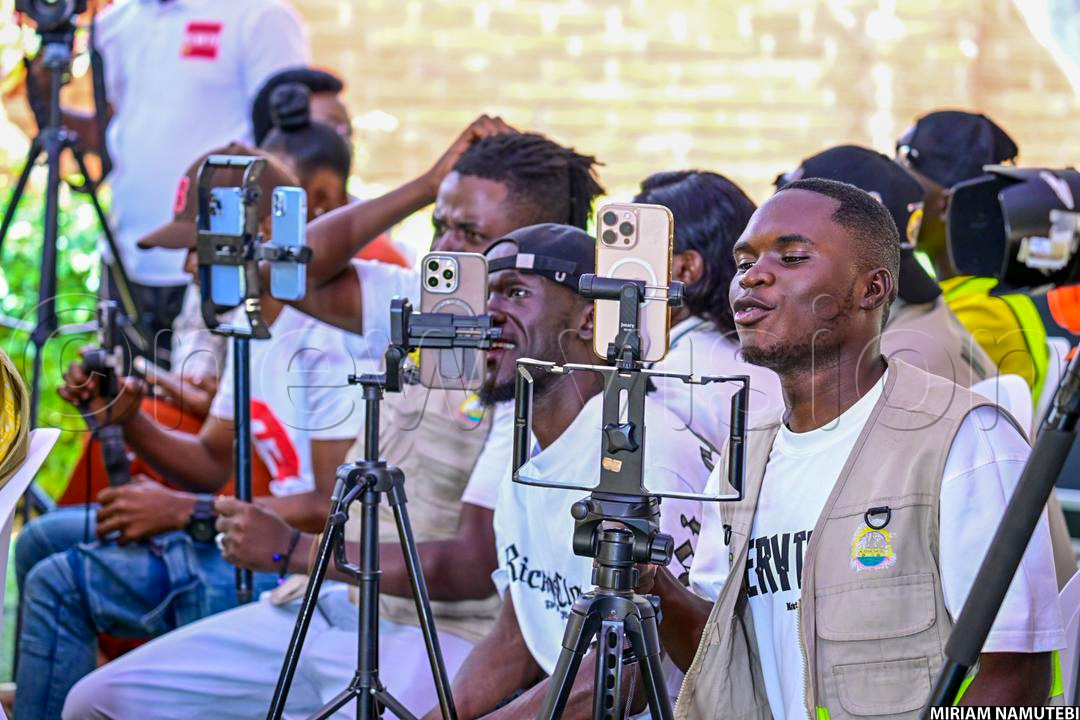
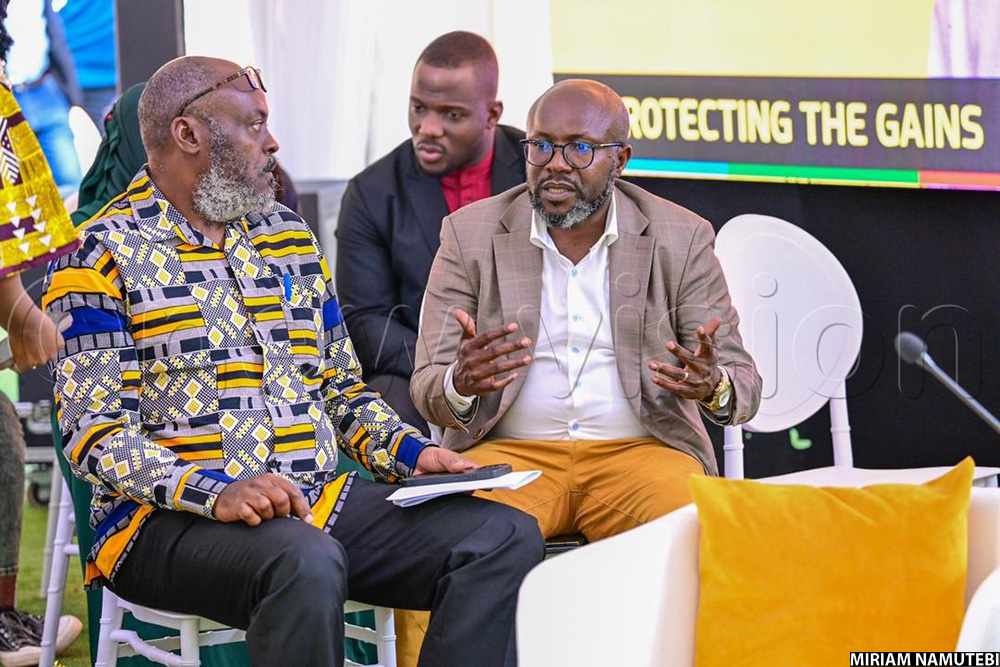
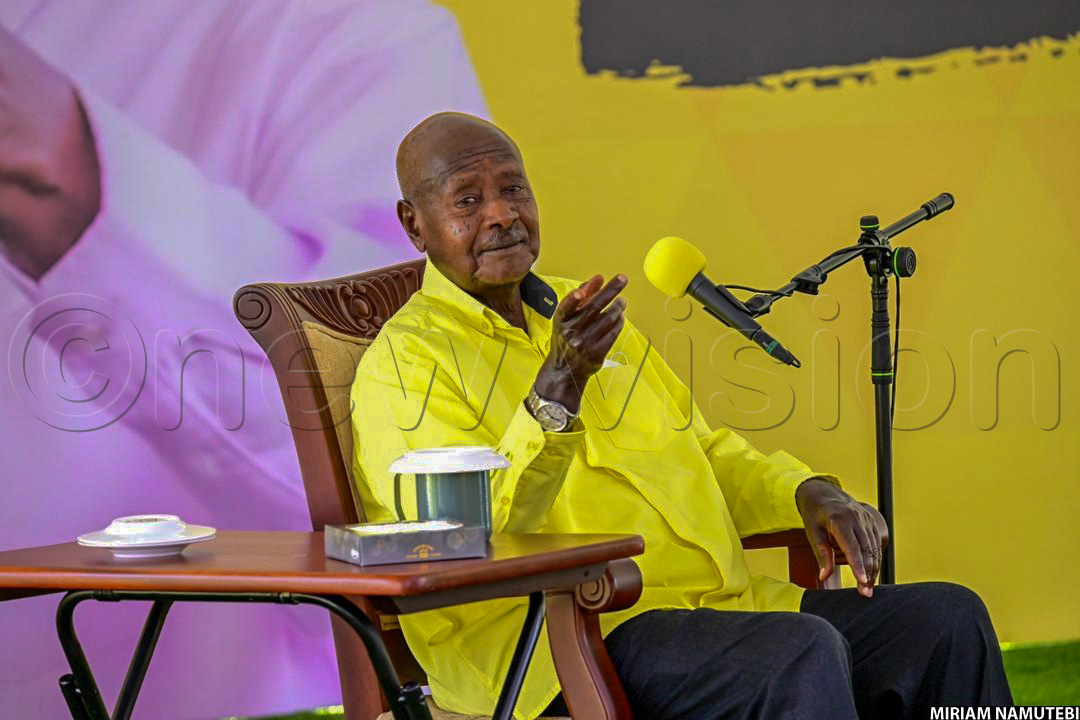
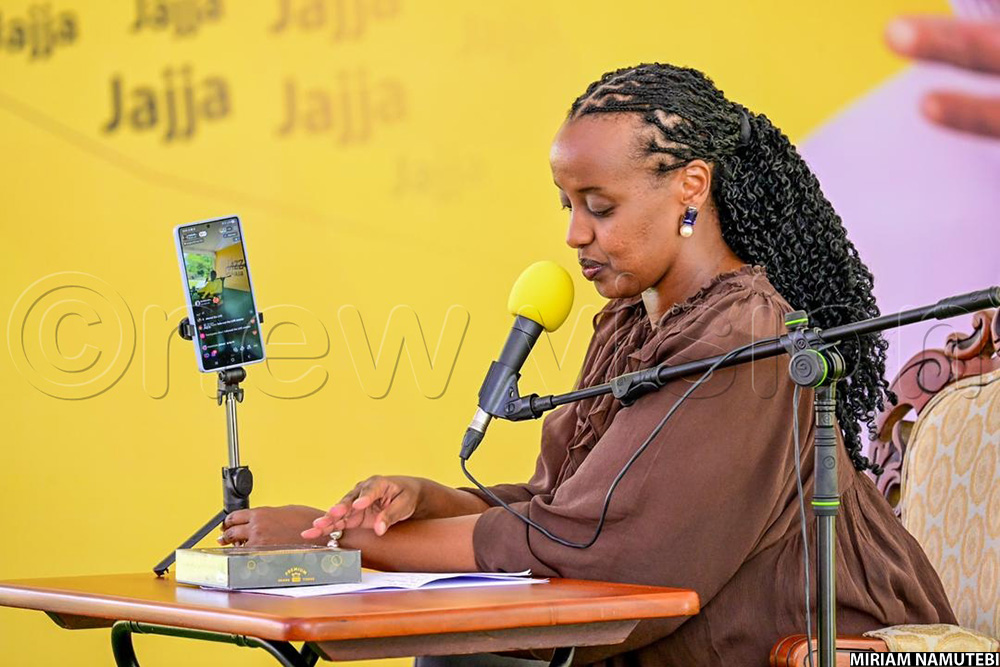
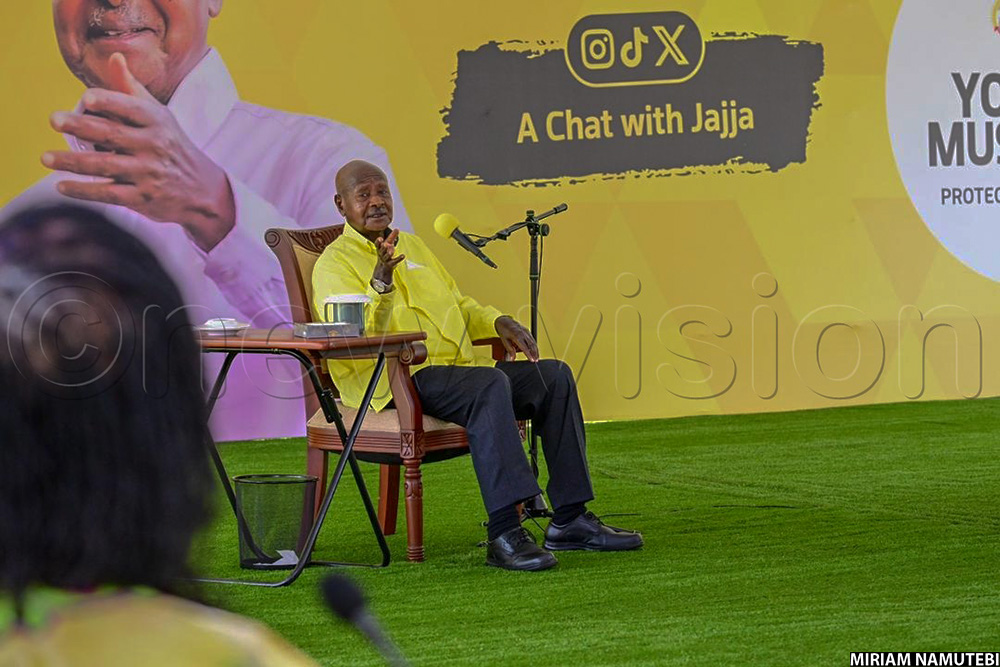
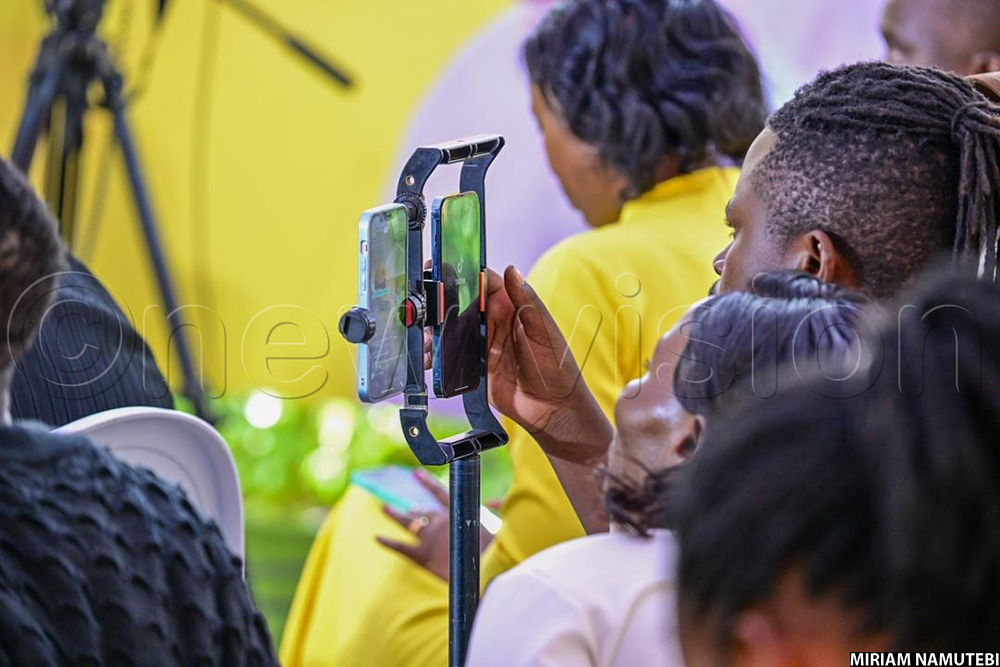
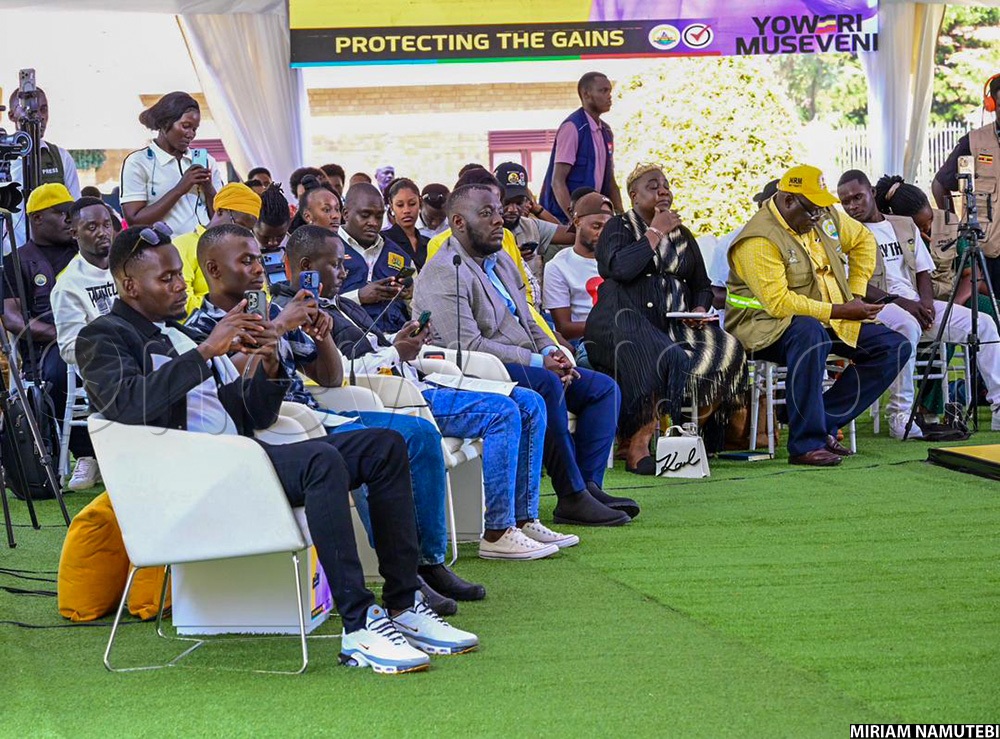
Speaking at State House Nakasero on Sunday (January 4) during a digital engagement dubbed “Jazz with Jajja”, the President told journalists, TikTok content creators and other digital influencers that Uganda’s economy is steadily moving in the right direction.
President Museveni calls for export-led mindset shift
By: Sarah Nabakooza, Journalists @New Vision
__________________
President Yoweri Kaguta Museveni has called for a fundamental shift in mindset among Ugandans, urging citizens, particularly the youth, to prioritise value addition, skills development and export-led growth as the country seeks to consolidate recent economic gains.
Speaking at State House Nakasero on Sunday (January 4) during a digital engagement dubbed “Jazz with Jajja”, the President told journalists, TikTok content creators and other digital influencers that Uganda’s economy is steadily moving in the right direction, citing improved export performance and reduced reliance on imports.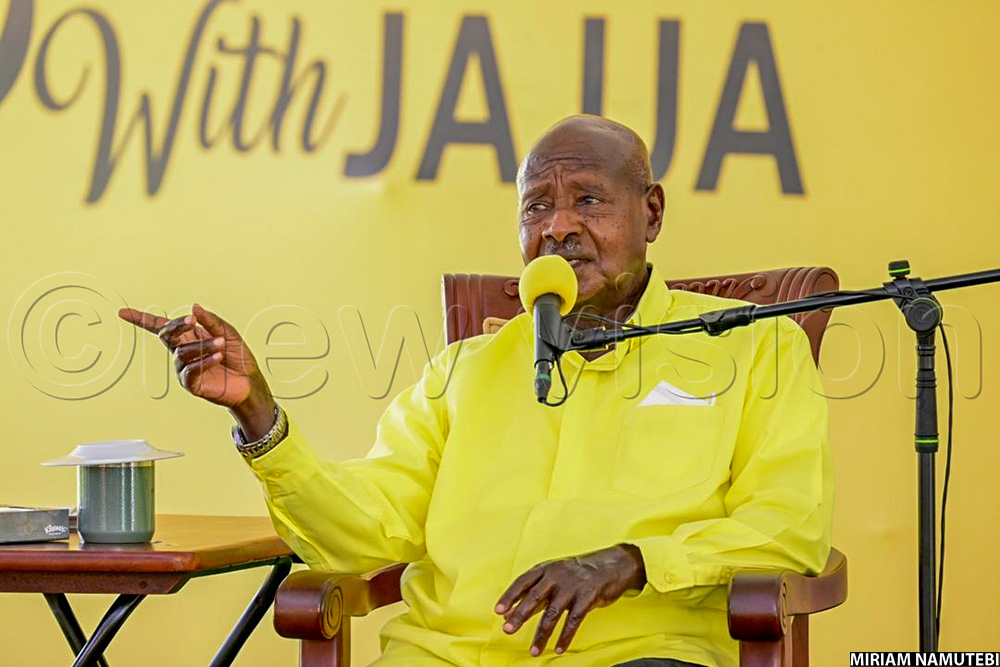
“Our exports are now more than our import bill by over $2 billion,” Museveni said, attributing the progress to deliberate government policies that promote production, industrialisation and value addition. “This is not by accident. It is because of insisting on doing things differently.”
Museveni questioned the long-standing tendency by Africans to seek opportunities abroad while underutilising resources at home, particularly in reference to migration to the Arab world.
“Why do we go to Arab countries to look for work when we don’t have the spectacles to see what is available to us here?” he asked, arguing that the challenge is often not a lack of opportunity but a lack of awareness and proper orientation.
The President said Uganda’s biggest economic opportunity lies in adding value to what the country already produces, especially agricultural commodities such as coffee. Although Uganda is Africa’s largest coffee exporter by volume, it earns only a small share of global coffee revenues because most exports remain unprocessed.
“When you export unprocessed coffee, you get about $2.5 per kilo, even for very good coffee,” Museveni explained. “But when you add value, you can get $40 per kilo.”
He illustrated the imbalance by citing global coffee earnings, noting that the worldwide coffee business is estimated at about $460 billion annually, while all coffee-producing countries combined earn only about $25 billion. Germany alone, which does not grow coffee, earns about $5 billion through processing and branding.
“In Hamburg, all the coffee processing is there,” Museveni said. “Germany earns more from coffee than all the coffee-producing countries of the world combined. That tells you where the problem is.”
According to Museveni, Uganda’s economic challenge is no longer primarily about national policy but about individual mindset and skills. He argued that economic transformation cannot succeed if young people are trained mainly for academic credentials rather than productivity.
He criticised some academic disciplines which, in his view, do not directly contribute to wealth creation.
“You get a degree in conflict resolution. Then what?” he asked. “Someone gets a PhD, but what are you going to do? What will you eat?”
Museveni said Africa’s education systems had for decades been distorted in ways that made the continent import-dependent, including for food, despite its vast natural resources.
He said this informed the government’s decision to introduce a new curriculum focused on practical skills, innovation and production, drawing inspiration from traditional African learning systems where education was linked to livelihood.
“The new curriculum is trying to bring people back to skills,” Museveni said. “Yes, literature is good. I can quote Shakespeare. But quoting Shakespeare will not feed you.”
He stressed that intellectual pursuits should complement, not replace, productive work.
“Culture and literature are for interest, but we must be producers,” he said, adding that self-sufficiency should guide both households and the nation.
Museveni also reminded the audience that Uganda’s industrialisation efforts date back to the 1960s but were disrupted by political instability. He said the current administration has deliberately revived and protected local manufacturing, even in the face of resistance.
“There were things being made outside, yet we could make them here,” he said. “We had to insist.”