
News
Museveni explains Facebook shutdown, signals conditions for reopening
Responding, the President said the Facebook shutdown was not an attack on technology or free expression, but a response to what he termed disrespect and indiscipline by the company.
Museveni explains Facebook shutdown, signals conditions for reopening
By: Sarah Nabakooza, Journalists @New Vision
_________________
President Yoweri Kaguta Museveni has, for the first time in detail, explained why Facebook has remained inaccessible in Uganda for close to five years, saying the decision was driven by what he described as arrogance and interference by the platform, while stressing that the government has no permanent problem with social media companies.
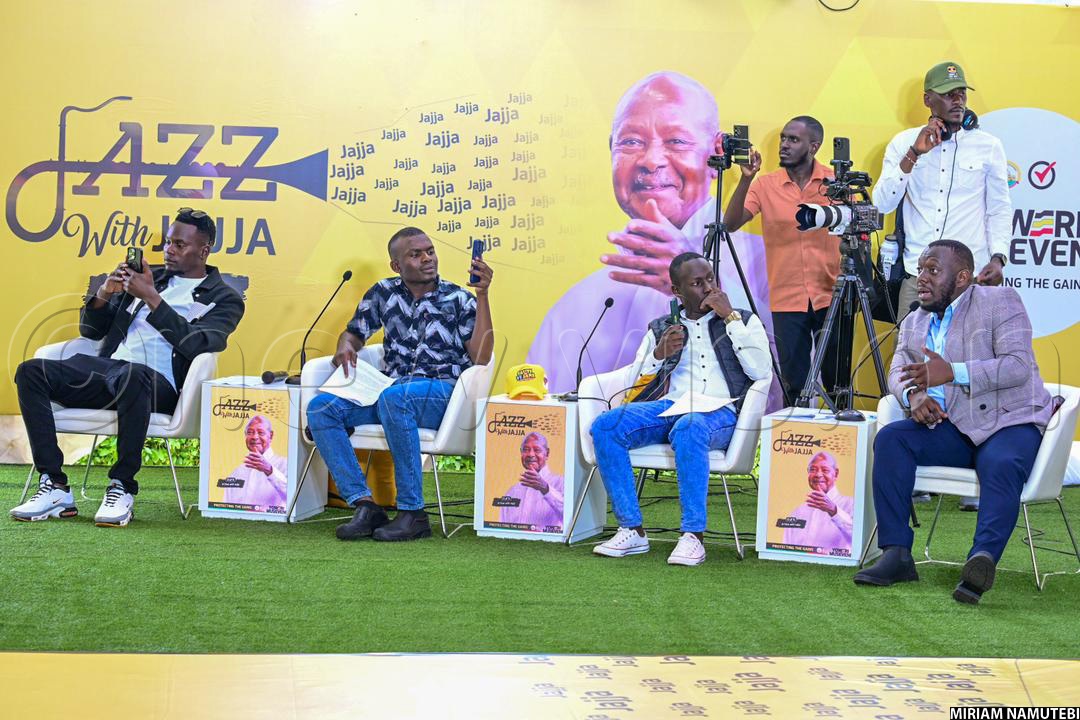
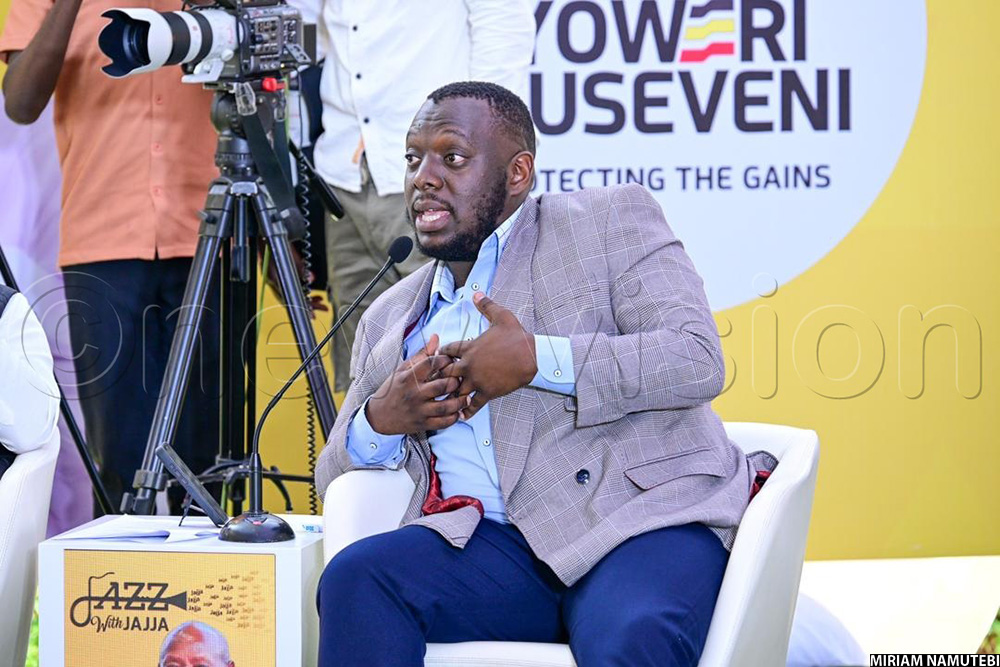
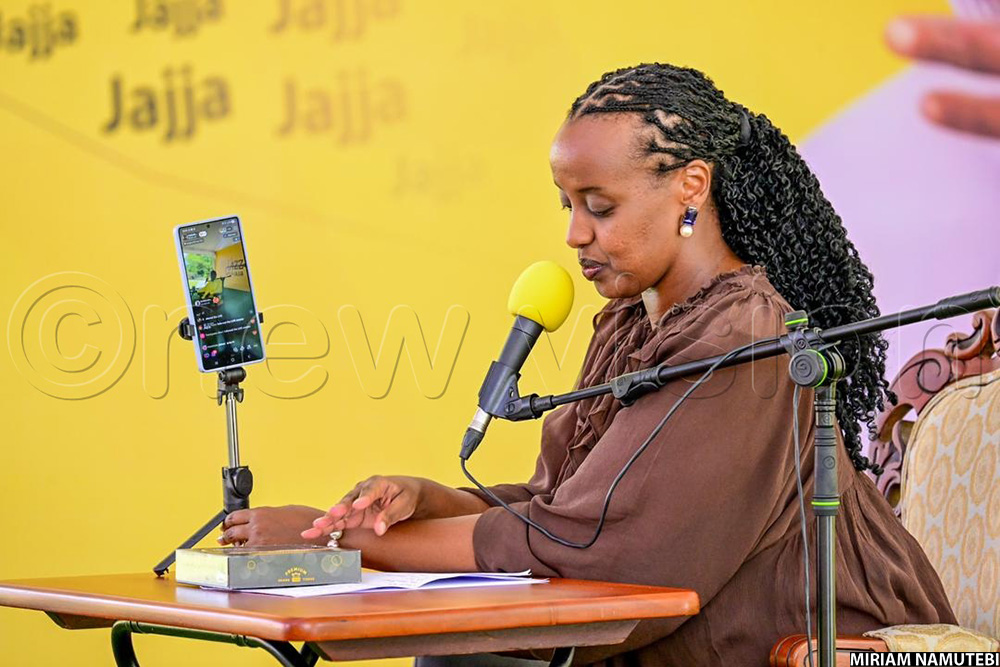
Museveni made the remarks at State House Nakasero on Sunday (January 4) during the “Jazz with Jajja” digital engagement, following a question raised by media personality Isaac Katende, widely known as Kasuku, who asked why government was not engaging social media companies such as Facebook, given their influence on public discourse and business.
Responding, the President said the Facebook shutdown was not an attack on technology or free expression, but a response to what he termed disrespect and indiscipline by the company.
“We closed Facebook because people were being foolish,” Museveni said. “They thought they could insult us and play around with us.”
The platform was blocked in January 2021, shortly before the general elections, after Facebook restricted accounts linked to government officials, arguing that they were engaged in coordinated inauthentic behaviour. At the time, the government accused Facebook of bias and interference in Uganda’s internal affairs.
Museveni maintained that the country continued to function despite the shutdown, dismissing claims that the ban crippled the economy.
“Cows continued to graze. Fishermen continued fishing,” he said. “Uganda continued.”
However, the President noted that the government does not oppose social media platforms as a whole and remains open to restoring access if outstanding issues are addressed.
“If there is no other issue, we shall open it. We have no problem,” Museveni said, suggesting that the standoff is not permanent.
He added that the core concern was not technology itself, but governance, sovereignty and fairness in how global platforms operate within national jurisdictions.
Museveni also linked the Facebook issue to a broader discussion on digital infrastructure and control, arguing that while Uganda welcomes technology, it must not surrender strategic assets or decision-making to private foreign interests.
He explained that government deliberately invested in national digital infrastructure, including fibre optic cables and the national internet backbone, to avoid dependence on private monopolies.
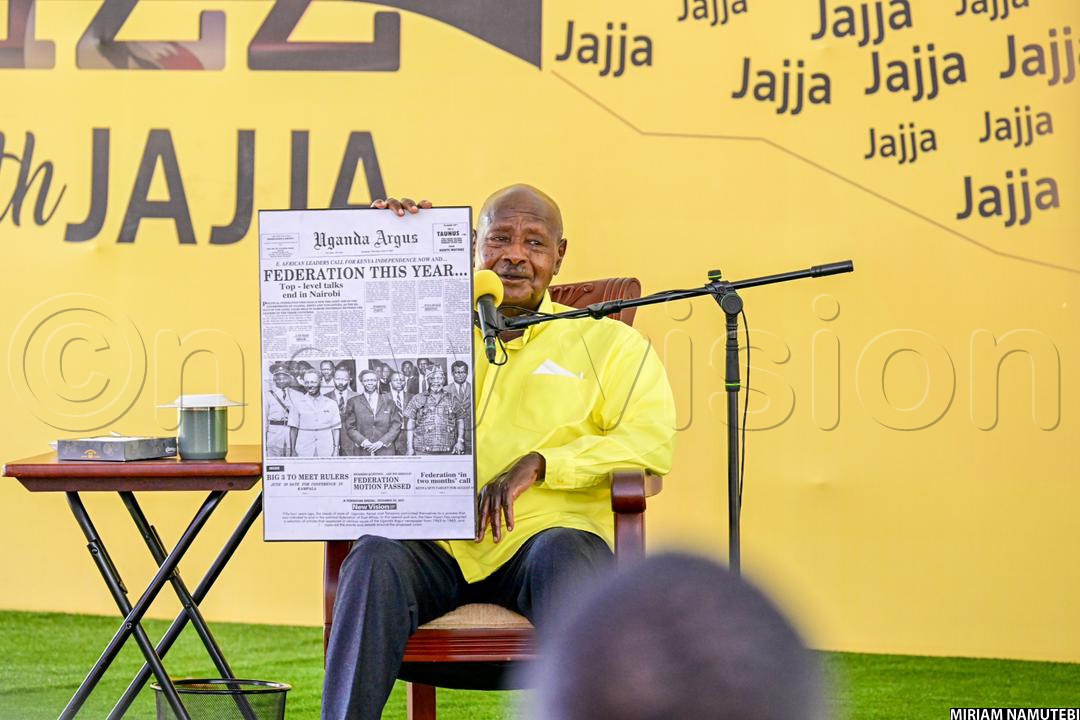
“The internet backbone must be owned by the government,” Museveni said. “We are not there to make a profit. We are there to facilitate business.”
The President said Uganda had transitioned from expensive satellite-based internet to undersea and underground fibre connections through Mombasa and inland networks, significantly lowering connectivity costs and expanding access across the country.
While acknowledging that internet costs remain higher than ideal, Museveni said government is examining factors such as taxation and last-mile expenses that may be keeping prices elevated.
“Why is the cost not even lower?” he asked. “We shall find out.
”He also revealed that government is studying emerging satellite technologies to assess whether they could further reduce costs, indicating openness to innovation where it benefits the public.
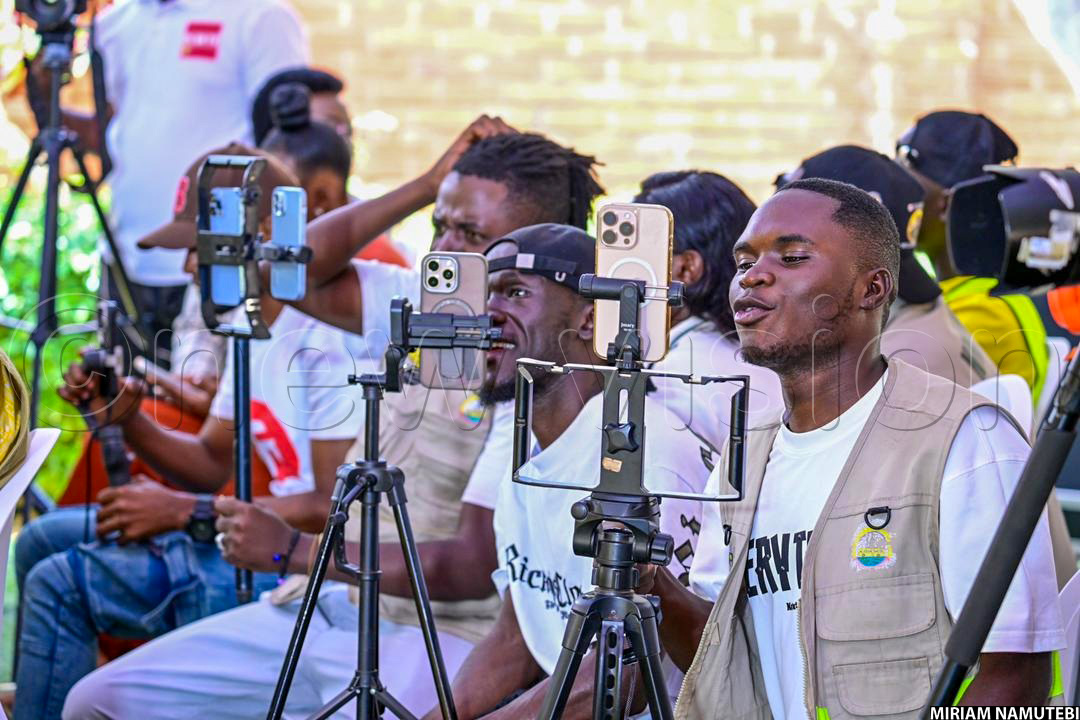
The President used the Facebook discussion to caution digital influencers and content creators against focusing solely on entertainment and controversy, urging them instead to engage with issues of economic survival, integration and Africa’s strategic position in the world.
“You people are big influencers,” Museveni said. “But what are you influencing?”
He warned that Africa risks being left behind as global powers advance technologically and strategically, citing developments in space exploration by the United States, China, Russia and India.
“They are on the moon. We are here,” he said. “They see us. We don’t see them. This is dangerous.”
Museveni argued that digital platforms should be tools for mobilising young people towards production, markets and regional integration, rather than division.
He reiterated his long-standing position that Uganda’s prosperity depends not only on national growth but on deeper economic integration within East Africa and across the continent.
“For your own good, you must love Uganda,” he said. “But Uganda alone is not enough. We need East Africa. We need Africa.”