
Limited awareness worsening drowning epidemic in Uganda'
In lakeside fishing communities, the drowning death rate is estimated at 502 per 100,000 people.
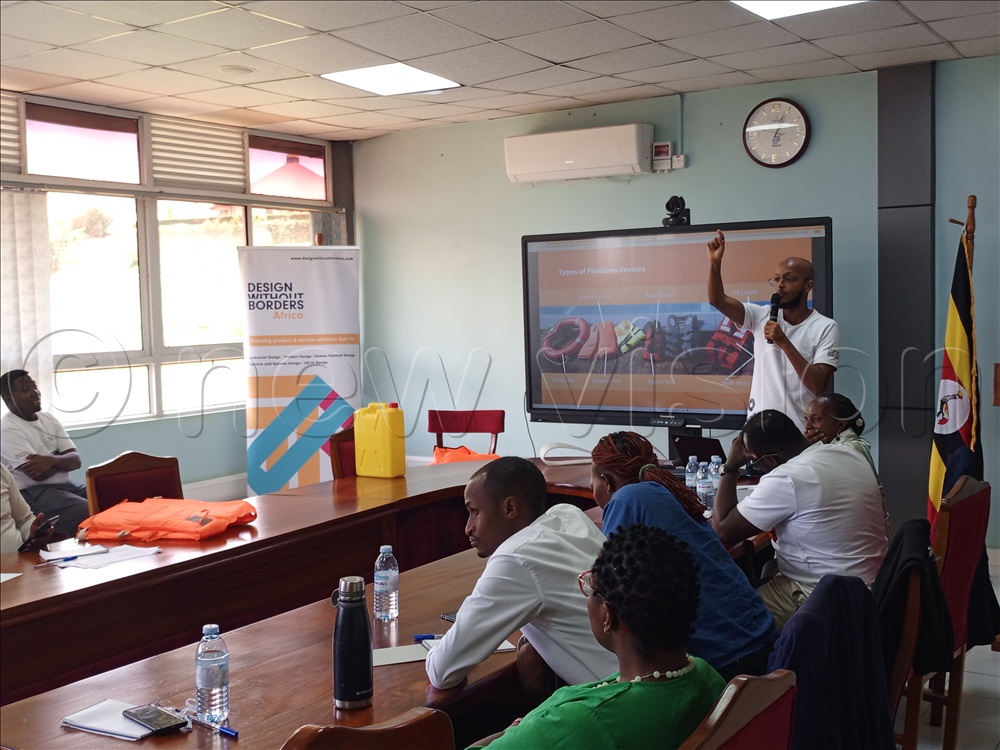
Experts noted that the frequency of drowning incidents is not reflected in news coverage in Uganda, attributing this gap largely to limited awareness among editorial decision-makers. (Photos by John Masaba)
________________
Low public awareness and editorial bias concerning drowning are undermining efforts to address the growing public health crisis in Uganda, experts have said.
As a result, media practitioners have been urged to increase coverage of drowning incidents.
The call was made during a media training session on Uganda’s National Drowning Prevention Strategy at the National ICT Hub in Kampala city on February 20, 2026.
Although drowning is the third leading cause of unintentional injury deaths globally, experts say the situation in Uganda is particularly severe.
In lakeside fishing communities, the drowning death rate is estimated at 502 per 100,000 people.
“This is more than 62 times higher than the African regional average of eight per 100,000,” Otto Busingye, a communication specialist at the Makerere University School of Public Health (MakSPH) Centre for Trauma and Injury, said.
The vulnerable
Available data shows a stark divide between water-adjacent and inland communities.
Lakeside areas account for about 70 per cent of drowning incidents, most involving adult men.
Contributing factors include high alcohol consumption among fishermen, vessel overloading and limited access to affordable, high-quality life jackets.
In inland areas, which account for roughly 30 per cent of incidents, children are the primary victims.
Many deaths occur in domestic environments such as basins, ponds, and swimming pools, often linked to inadequate supervision.
Busingye explained that drowning deprives the body of oxygen, leading to cell damage, organ failure, and brain injury.
Barriers to better reporting
Charles Onyum, a consultant with the Global Health Advocacy Incubator, said the frequency of drowning incidents is not reflected in news coverage. He attributed this gap largely to limited awareness among editorial decision-makers.
“The bias exists because of a lack of knowledge,” Onyum said.
“Increased reporting can push policymakers to invest in safety. We must go beyond reporting tragedy — the stories of survivors are rarely told.”
However, Hope Mafaranga, a senior producer (editor) at New Vision and a facilitator at the training, said economic realities also shape newsroom decisions.
“In a newspaper, a full-page story costs about shillings nine million,” she said, highlighting the financial pressures facing media houses.
Participants were told that drowning should not be framed as a random or unavoidable event.
Mafaranga said many cases stem from identifiable and preventable factors, including the lack of life jackets, vessel overloading, weak enforcement of marine safety regulations, poor drainage and flood planning, and limited swimming and rescue skills.
She urged journalists to avoid assigning blame to grieving families or individuals without context.
Economic hardship limits fishermen’s ability to purchase reliable safety equipment, and some life jackets sold at landing sites are substandard.
Coverage, Mafaranga said, should, therefore, focus on systemic gaps, enforcement failures, and the need for affordable safety solutions rather than individual fault.
The scale of the crisis
The World Health Organisation estimates that over 3,000 people die from drowning each year in Uganda.
Many of these deaths occur in fishing communities along Lake Victoria and Lake Albert, as well as other inland waters. Others happen on informal passenger boats, overloaded vessels, and in flood-prone urban areas such as low-lying parts of Kampala, or in homes where children can access open water sources.
Globally, drowning remains one of the leading causes of death among children aged one to fourteen.
In Uganda, risk is also strongly linked to occupational exposure — particularly fishing and water transport — along with weak enforcement of safety regulations, low life-jacket use, and increasing flood risk.
Experts say responsible reporting can help shift public perception of drowning from an unavoidable tragedy to a preventable public health issue. Sustained media attention can promote safer practices, strengthen demand for enforcement, and support implementation of national prevention strategies.