
'I tried to rob a bank and kill my brother's family', Okello tells court
"I contend that these people I refer to as friends in this section had something to do with my actions on April 2," defendant Okello tells court on Friday.
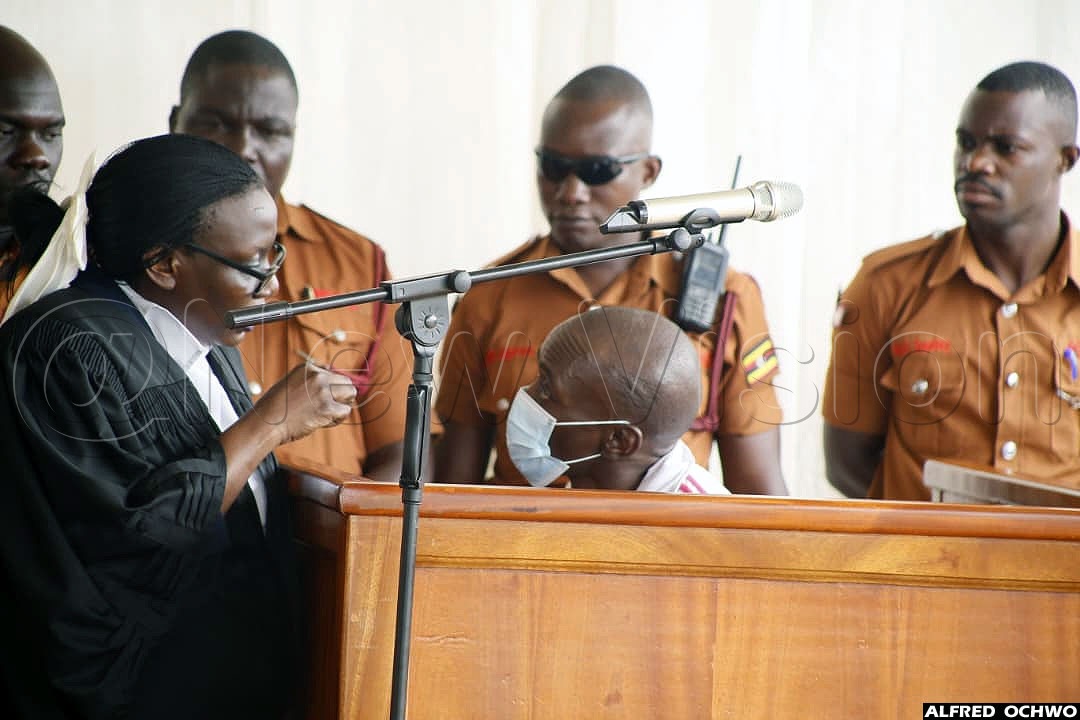
Christopher Okello Onyum reads his notes as he testifies at a trial in which he is accused of murdering four toddlers, at Ggaba Community Church, Kampala on April 24, 2026. (Credit: Alfred Ochwo)
_______________________________
GGABA MURDER TRIAL: DAY 9
By Joseph Kizza
Christopher Okello Onyum, accused of murdering four toddlers, told court at the start of his defence on Friday (April 24) that he tried to rob a bank as well as kill his brother's family during a "distressing period" this year.
During that time, he said, he also tried to flee the country after "certain people got my attention and eventually they somehow began to demand accountability from me".
In his unsworn testimony before the mobile High Court sitting in Ggaba, Makindye division in Uganda's capital Kampala, the 39-year-old Ugandan-born American said the said people had begun demanding money from him.
This happened between January and March this year.
"They threatened to kill me," he told court on the ninth day of his trial in which he is accused of murdering four young children at a day care in Ggaba on April 2 this year.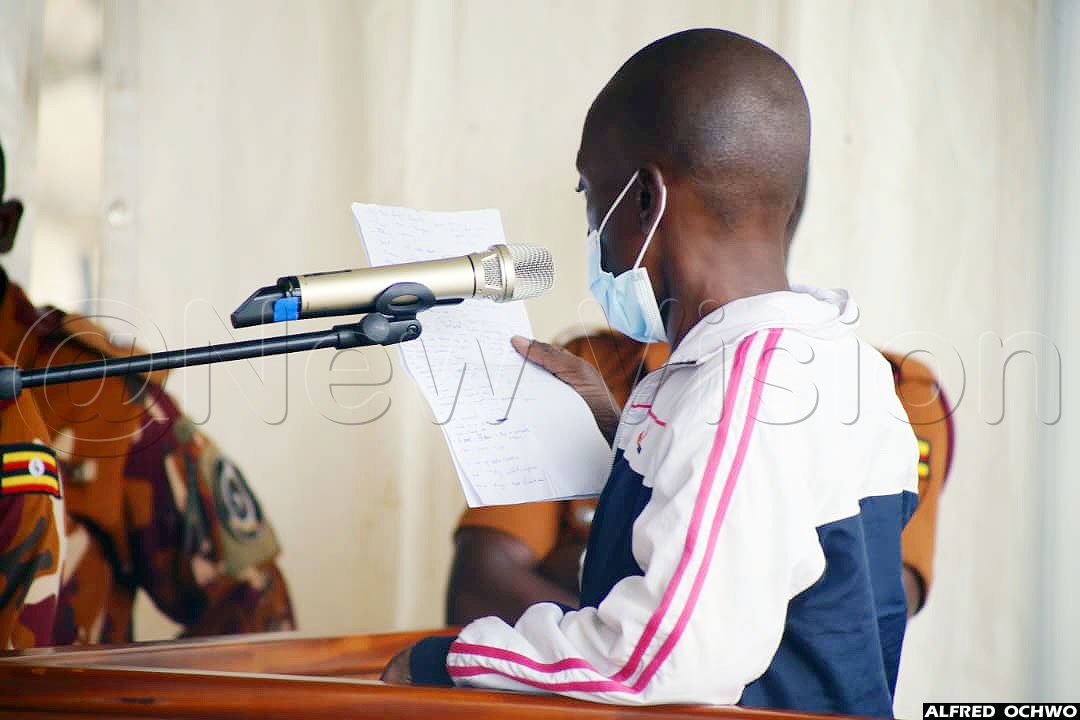
Okello categorised his pursuers — 'friends-turned-adversaries' — into three groups.
One group was seemingly very young men, "maybe in their late teens", and wore "very new clothes and they would greet me by my first name 'Chris'".
The second category "drove new, modern cars, were very clean, smartly dressed and wore new clothes". He said they moved with walkie-talkies and were "very quiet and had a distinct expression on their faces".
The third group "seemed like everyday people. They were not distinct like the other categories".
Okello testified that following his collective experience with all the three categories of people, "I could only begin to think they were all part of the same group".
Adding: "I contend that these people I refer to as friends in this section [of his defense] had something to do with my actions on April 2."
'Tried to end it'
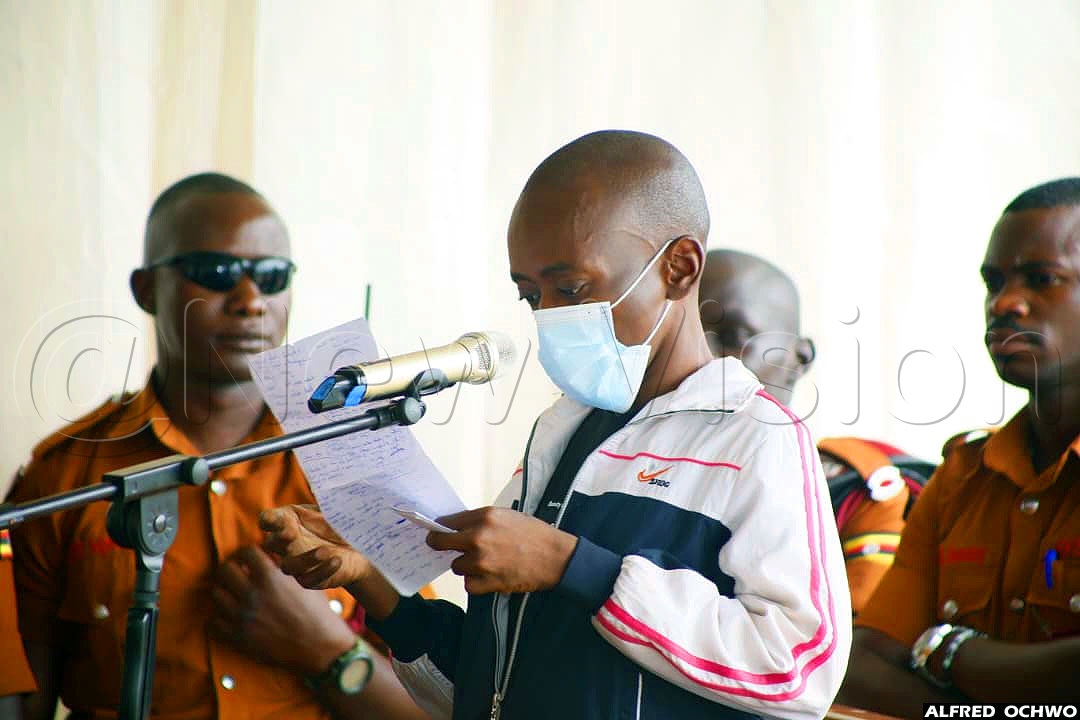
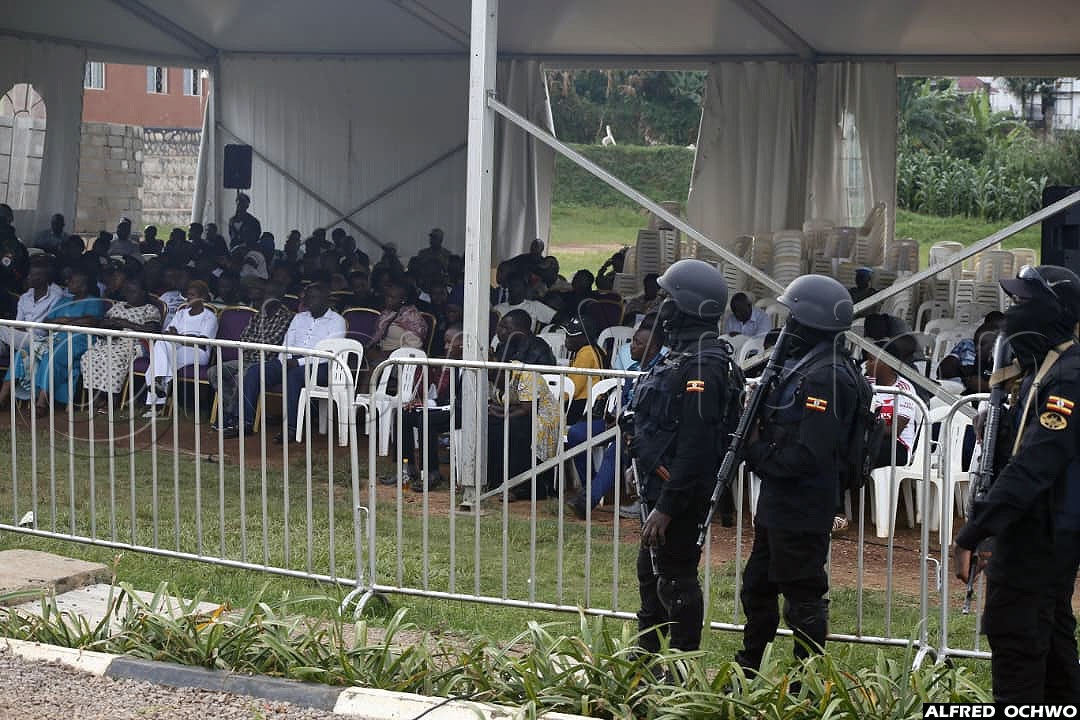
Okello's delivery on the stand, under usual heavy guard, was punctuated with pauses and constant references to handwritten notes, with sometimes him appearing to fidget with the papers he held.
He told court the people after him staked out his one-roomed home in Bunga, forcing him to "be always on the run or hiding somewhere".
"I lived outside on the street.
"In that period, the very late part of this episode, I tried to end it some way, somehow. I tried a few things to bring the whole thing to an end. I tried to flee the country. I tried to rob a bank. I tried to kill my brother's family," said Okello.
Those said troubled times were the precursor to the brutal murder of toddlers Gideon Eteku, Keisha Agenrwoth, Ignatius Sseruyange and Ryan Odeke at Early Childhood Development Programme Centre, only metres away from where the mobile trial is taking place at Ggaba Community Church.
Based on the evidence admitted to the High Court, the prosecution wants court to convict Okello for the killings. The accused pleaded not guilty to all the four counts of murder.
'Charges shouldn't stand'
The accused man, wearing a face mask, began his defence on Friday by telling court he is not guilty of the crimes "because I did not intentionally cause the death of the four children" and that "I could explain in another way how the children died".
"The charges shouldn't stand," he firmly said, having introduced himself as a farmer in Uganda's northern district of Nwoya who lived in Kyanja, Kampala at the time of his arrest on April 2.
"Is that the only work you do?" defense lawyer Richard Kumbuga had asked him during the preliminary session.
"Yes."
Okello testified that after his arrest, he was forced to make a plain statement — in which he confessed killing the children — without being "allowed to raise questions about what they [police officers] were doing".
He said the prosecution team should have "done better to show that I was intentional" in committing the crime.
Okello also talked about his mental state at time of the murders.
"The prosecution case said I was mentally okay, but it is possible that there are signs I had mental challenges that might have gone undetected that could have led to the death of the children.
"It may not be concluded yet that I was completely mentally fine to the extent that I could have prevented myself from killing the children."
'I was coerced'
On his reported confession to committing the crimes as a ritual sacrifice to gain wealth or riches, the defendant told court that while he may have made the confession in the plain statement, he was "pressed hard to confess this".
"I was coerced to say something that was acceptable to them at the time," he testified.
Okello also commented on the various online searches he was found to have made regarding ISIS beheadings and institutions for young children.
"There were factors that were forcing me. I didn't do so willingly then."
He particularly dismissed the prosecution evidence on a flash disk pointing to him possessing a PDF copy of a text book on war (The Art of War by Sun Tzu), saying: "I don't think that evidence counts as something against me in the deaths of the four children."
Bolstering his defense, the accused was insistent that even in the prosecution case, he had been said to be a man of generally good moral character, busy and focused and resourceful.
Okello told court that he had a bright future to look forward to, parents to look after, and what he thought was a very successful business in the making.
"In light of all of this, it would seem unlikely I could do anything like this."
Wrapping up, Okello said: "The prosecution's prayer that I be convicted on the four counts of murder should not be honoured because they did not make a strong case that I deliberately killed the four children — and it was imperative that they did."
Application request declined until...
After ending his unsworn statement, the second defense witness — Okello's biological brother — was called to the stand following a brief court break.
For purposes of his own safety and that of his family, the witness said he would make an appearance only if cameras are off him and that he is allowed to wear a mask and cap. In that regard, court granted him his wish — with no objection from the prosecution side — and instructed the media accordingly.
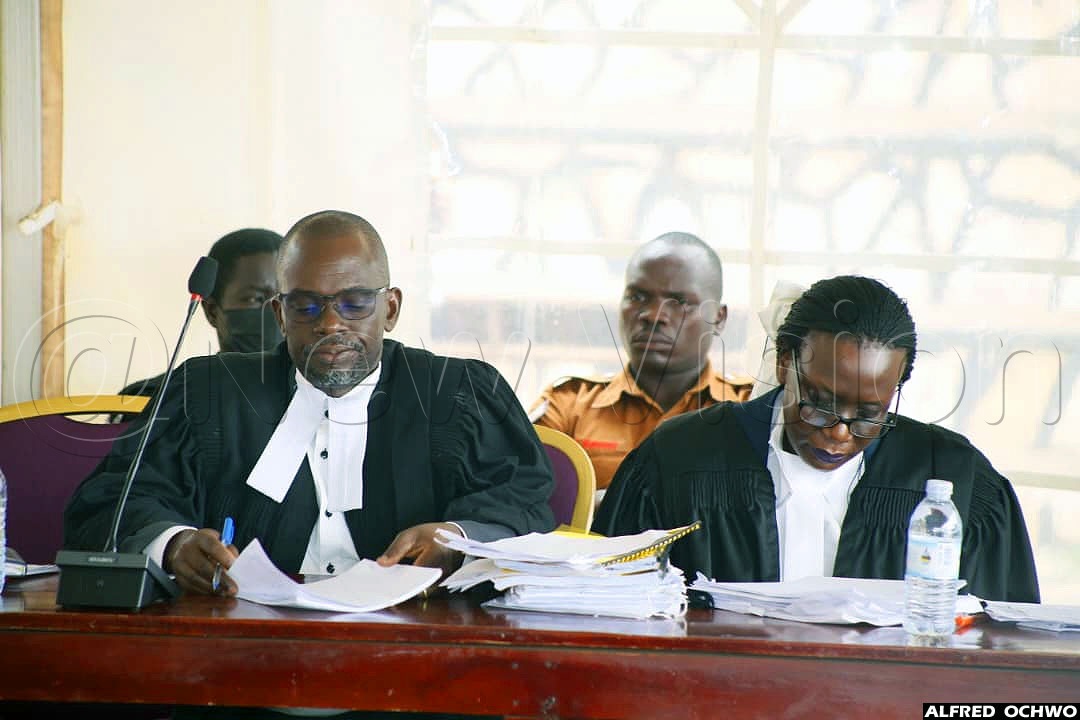
Once on the stand, defense attorney Kumbuga asked the second defence witness to tell court about the health status of his brother, the accused.
The witness told court that in January 2020, he learnt that Okello had been admitted to Butabika National Referral Mental Hospital, having looked for him in December the previous year.
Upon going to the facility to find out the exact details, he was told his brother had been admitted to the facility "following an incident that had happened".
"They [medical staff at Butabika] did not give me the exact details of what happened leading him to be admitted," testified the witness, who added that he was also not told how long Okello had stayed at the facility.
In the middle of the second defense witness' testimony, defense lawyer Kumbuga brought an application asking that the doctors of Butabika be invited to court to testify "since from the prosecution evidence, it is on record that he [Okello] was there".
Kumbuga said the application was brought under Article 28 of the Constitution on the doctrine of fair hearing.
But the prosecution team prayed that the application is dismissed, arguing that it was "misplaced and unascertainable not only at this stage, but in the manner in which it has been raised".
Court took a lengthy break of around two hours for Justice Alice Komuhangi Khaukha to examine this request and make a verdict.
Upon resumption of the session, the judge, in the context of the defence application request, provided a rundown of what has happened in court since the trial began last week, before delivering her ruling as thus:
"I am unable to make an order requested for by the defense lawyers on behalf of the accused to call a doctor from Butabika before hearing the full testimony of DW2 [second defense witness].
"In the meantime, DW2 shall continue his testimony whereupon the court will make a decision as to whether it is necessary to call someone from Butabika or not. But it shall only be restricted to as to whether the accused person has ever been to Butabika, but not to make an inquiry as to whether he is capable of standing his trial.
"And that is the order of the court," ruled Komuhangi.
Once that was settled, she invited the second defense witness back on the stand to carry on with his testimony. But by then though, the defense had closed their evidence in respect of this witness, paving the way for chief state attorney Jonathan Muwaganya to conduct cross-examination.
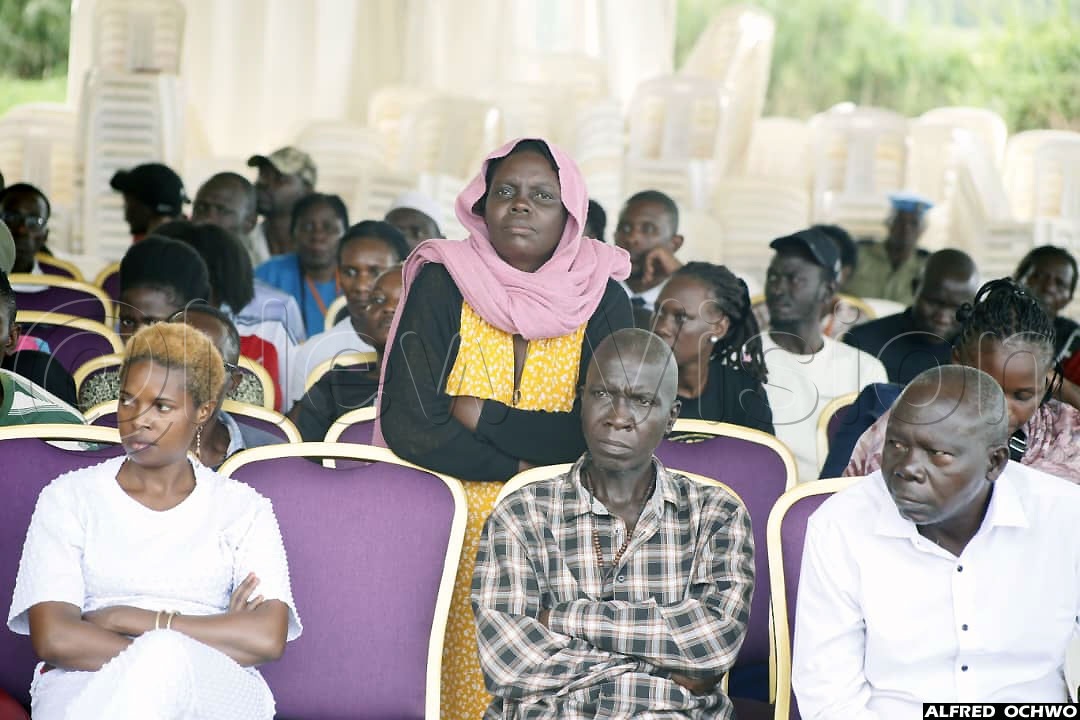
The lead prosecutor asked the witness whether he knew the accused had killed their stepbrother called Freeman, to which the latter said no.
"Do you still want this court to believe that that is a fact not in your knowledge?"
"I had not met my little brother before," responded the witness.
Muwaganya pressed: "So you are not aware whether he is alive or dead?"
"I am aware that he is dead," came the response.
"And from Butabika, your brother, the accused person, went straight to the United States of America. Do you know when he went to the US?"
"No, I do not."
'Scapegoat'
The witness went on to reveal that other than Friday, the last time he had seen (though not met) Okello was on the evening of April 2 this year at Kabalagala Police Station after his arrest.
Before then, he had last seen the accused six years before. Court heard that the two siblings were not close friends.
"Confirm to this court that when your stepbrother Freeman was killed, the accused person was never produced in any court of law for that matter," the prosecutor probed further.
"I do not know," replied the witness.
Muwaganya examined further: "You don't know who or under what arrangement your brother was taken to Butakiba?"
"That is correct."
The witness said that although he had seen Okello at Butabika, he did not meet him.
"Our instruction is that when your brother committed a heinous crime for the murder of Freeman, Butabika was used as a scapegoat and he was taken there without following due process. And from Butabika, he was whisked out of Uganda. And his production in Butabika was on purpose to escape the due process. What do you have to say about our instructions?" probed the chief state attorney.
"I do not have an answer to the question," responded the defense witness.
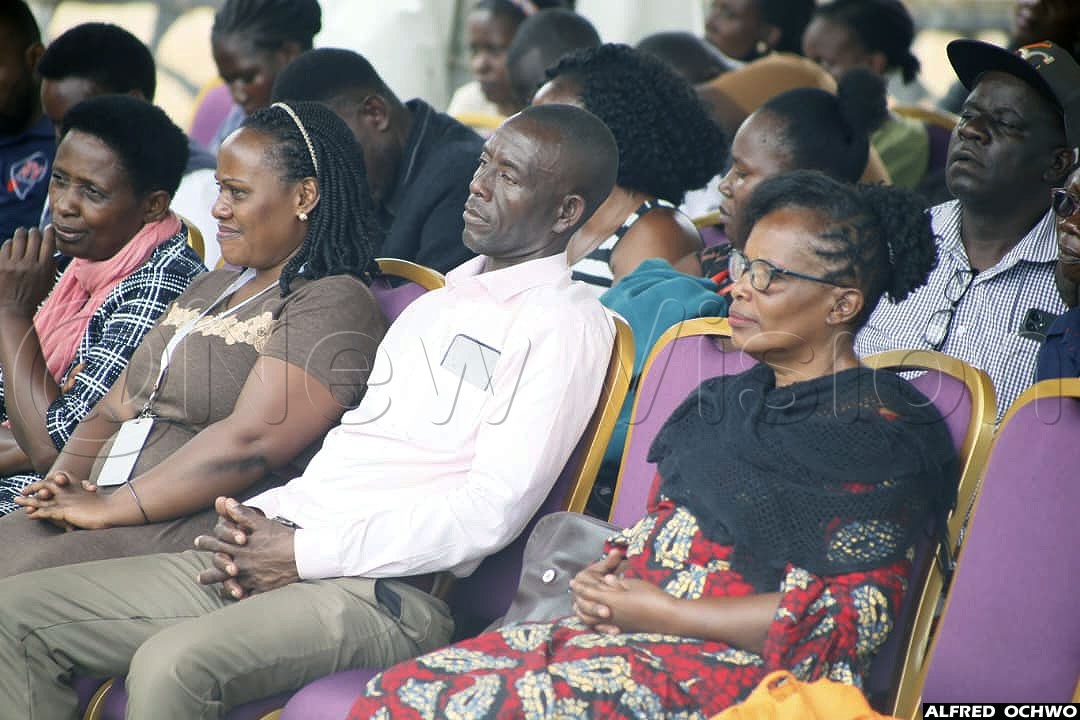
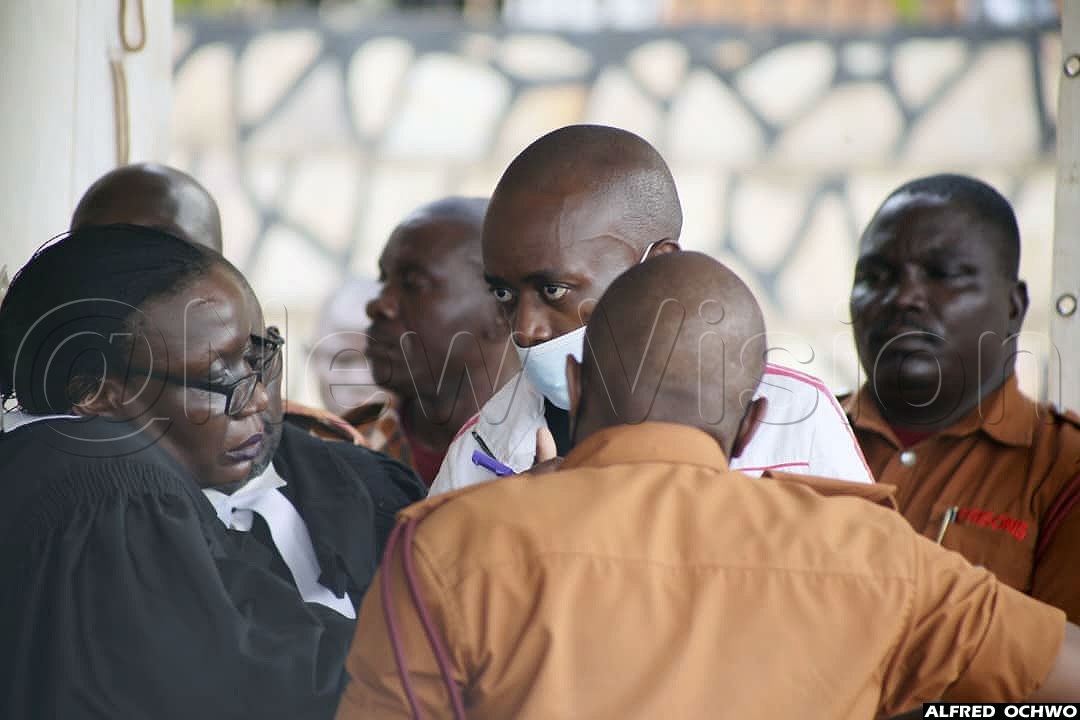
Meanwhile, the accused man drew laughter from those in attendance when he asked the judge whether he could ask the witness a question or two.
"You want to cross-examine your own witness?" asked Justice Komuhangi.
'Estranged relationship'
The judge herself asked the witness a couple of questions, from which he revealed that both their mother and father are still alive and live in Uganda.
He also testified that he had learnt from his step-brother about Okello possibly being at Butabika at a time when they were organising a family get-together in December.
It was when the witness visited Butabika that he saw his brother from a distance but without ever being told which "sensitive case" he had been checked in at the facility for.
"Did you ever get to know when he left Butabika?" asked the judge.
"No."
"Did you try to ask your parents why he [Okello] was in Butabika?"
"No, I did not."
The defense witness then offered an explanation.
"To get context, my mother at present is not one you can have a coordinated discussion with at the moment, so it was not viable. And with my dad, we have had an estranged relationship, so it was not exactly possible to have that kind of conversation."
After hearing the full evidence by the second defense witness, Justice Komuhangi decided that she had not found it necessary to make an order for any doctor from Butabika to come to court to tell the court whether the accused has ever been to the facility.
"As I already noted, the accused himself has never ever noted that he has ever been admitted to Butabika.
"It is my considered view that even if the accused was in Butabika in 2020, it would not be of any relevance to this case. This is because this offense is alleged to have happened on April 2, 2026 and I have also made a finding that throughout the proceedings, the accused person has been keenly following up the court procedures."
Meanwhile, the third defence witness testified that he had met and known the accused for two days. That was back in February. Okello had found him and around 40 other street children in Kisenyi, Kampala.
He told court that after greeting them, they greeted and asked the English-speaking man for drinking water. Instead, he bought for them food at a nearby restaurant, which they distributed amongst themselves.
The witness and Okello exchanged contacts.
The following day, the accused returned to the same spot, this time along with a ten-litre jerrycan of water. He again bought for them food. Once they parted ways, the witness told court he never saw the man again — until several weeks later, this time all over the news.
When cross-examined, the witness said the street children in his company were aged from around seven and upwards.
"Confirm that you don't know where Christopher was after February 19," Muwaganya told the defense witness.
"I don't know."
The judge gave the defense team more time for the court registrar to again try and reach the remaining two defense witnesses after earlier attempts to summon them proved futile.
Komuhangi adjourned the court until Monday (April 27) and further remanded the defendant.