
Govt revises Sovereignty Bill provisions
Another term that had raised concern is “agent of a foreigner,” which has now been further clarified. It is defined as an agent, representative or employee of a foreigner or anyone acting on the orders, under the supervision, control or financed by a foreigner. This could include an ordinary Uganda or agent of an embassy.
Attorney General Kiryowa Kiwanuka and internal affairs state minister Gen. David Muhoozi on April 30, 2026, found themselves facing fresh resistance. (Credit: Maria Wamala)
By Dedan Kimathi, Sarah Nabakooza, Nelson Mandela Muhoozi
KAMPALA - Government on Thursday tabled a repurposed version of the Protection of Sovereignty Bill, 2026.
Background
The move on April 30, 2026, followed protests from various strata of the Ugandan society over what in their eyes appeared as a draconian law.
A day earlier, it is understood that Deputy Speaker of Parliament Thomas Tayebwa had chaired a harmonisation meeting, which featured the two committees’ top leaders and movers of the Bill at Parliament, where it was agreed that amendments would be made and a committee report finalised this weekend, according to a ruling National Resistance Movement (NRM) lawmaker with close ties to the House leadership.
The lawmakers added that the shift was prompted by a letter the lead chairperson of the House defence and legal affairs joint committees, scrutinising the Bill, wrote on April 29, 2026, raising several legal issues that had been raised by various stakeholders since hearings began six days ago. He also called for a meeting the following day to iron out the sticking points.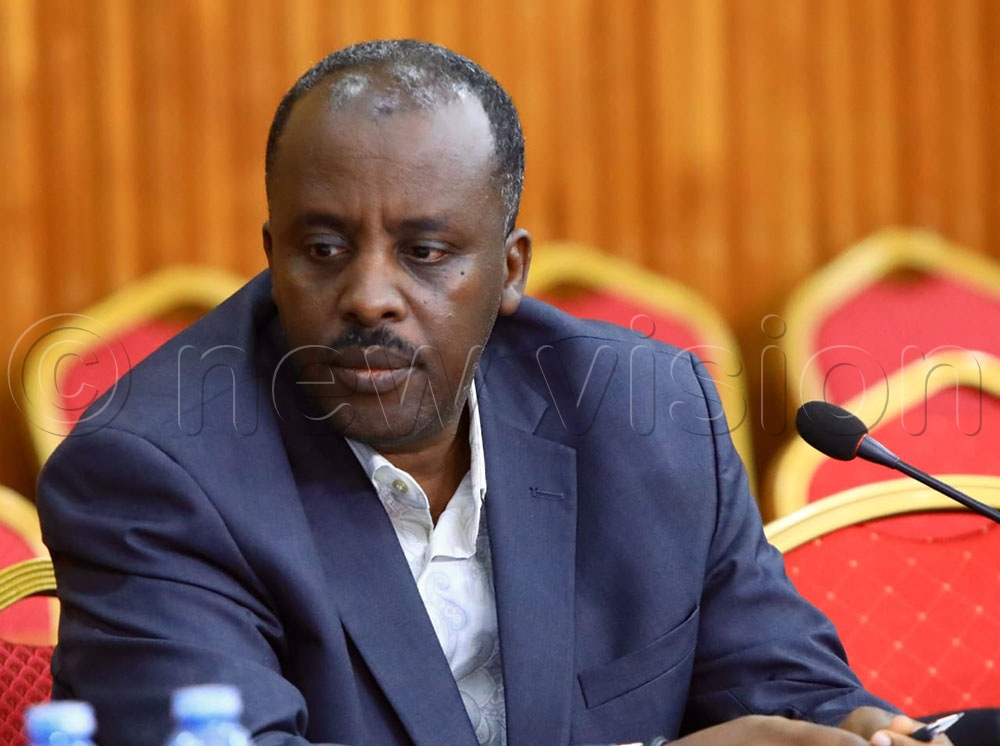
Muhoozi conceded to further amendments in respect to the provision on publication of false information. (All Photos by Maria Wamala)
Foreigners
While the object of the Bill and penalties such as shillings two billion and four billion for individuals and legal entities found in breach of the law have remained intact, the wording of the Bill has undergone some changes to avoid ambiguity and over reach.
With a case in point being the term “Foreigner” which at first also included Ugandans living abroad. This time, however, these have been struck out, leaving foreign embassies, legal entities incorporated or registered outside Uganda and international organisations, which are now barred under the Bill from political activities aimed at influencing enactment of legislation, formulation of Government policy and include fundraising, campaigning, supporting or opposing a political party and influencing the outcome of an election.
Foreigners are also barred from supporting and campaigning for a candidate among others.
Foreign agents
Another term that had raised concern is “agent of a foreigner,” which has now been further clarified. It is defined as an agent, representative or employee of a foreigner or anyone acting on the orders, under the supervision, control or financed by a foreigner. This could include an ordinary Uganda or agent of an embassy.
Under the refined Clause 2(2), such individuals are barred from furthering “interests of a foreigner” including through digital platforms. With these foreign interests defined as actions or deeds that run contrary to government policies and laws.
Such include soliciting funds for political purposes or sponsoring a person to promote the aforementioned interests or any such activity declared by the internal affairs by statutory instrument.
The clause, however, excludes monies meant for institutions that are regulated by Acts of Parliament, medical facilities, academic research, domestic purposes, faith-based organisations, diaspora remittances, foreign aid, grants, portfolio investment, export proceeds, trade finance and any other lawful foreign exchange inflow, among others.
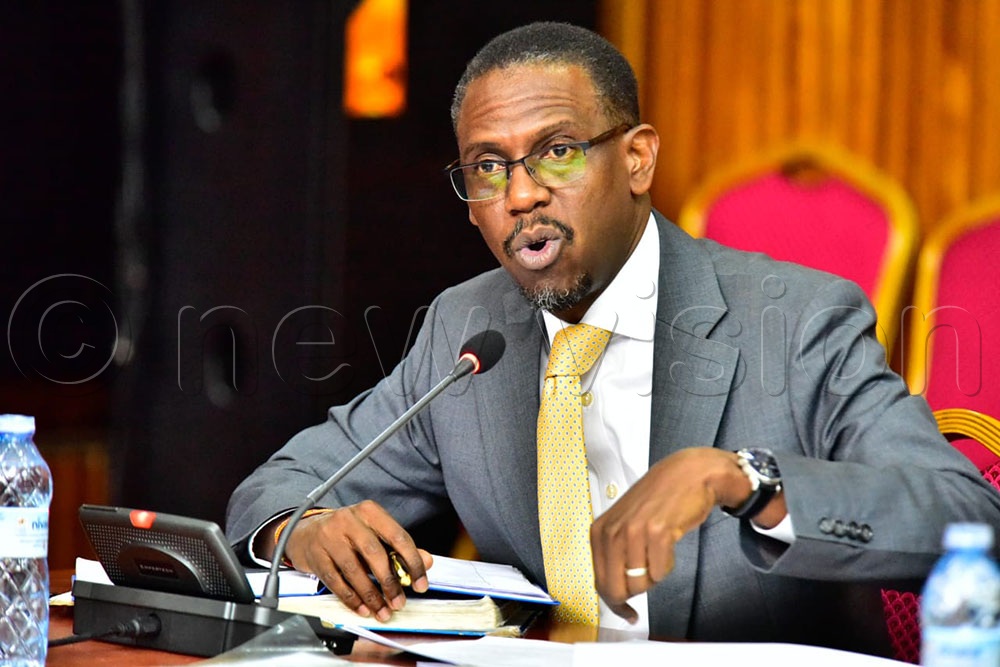
Attorney General Kiryowa Kiwanuka
False news provision
While originally, clause 13 of the Bill on the subject had been blanket, the new version tabled before the committee bars agents of foreigners from intentionally publishing false information or participating in activities that weaken or undermine the economic system.
With those found culpable, liable to a shilling two billion fine in the case of an individual or 20 years in prison and four billion for legal entities.
However, in trying to set things right, Attorney General Kiryowa Kiwanuka and internal affairs state minister Gen. David Muhoozi on April 30, 2026, found themselves facing fresh resistance.
With Mukono Municipality MP Betty Bakireke Nambooze pointing out that clause 13 offends Article 92 of the Constitution restricts Parliament from passing legislation that alters court judgements. Citing Charles Onyango-Obbo and Andrew Mujuni Mwenda versus Attorney General of the Republic of Uganda.
“I am a journalist, and after here, I intend to go back to my job. In 2004, we had a case of Onyango Obbo and Andrew Mwenda. They had written a story about Kabila, that he had paid Uganda in gold for the support. The matter was taken to court, and finally the court struck out that particular provision of false news,” Nambooze said.
“Under this Act, is the Attorney General trying to smuggle back what was struck out by court and by that offending Article 92 of the Constitution? And what constitutes false news, who determines false news?” she said.
Earlier on, Bugiri Municipality MP Asuman Basalirwa (JEEMA) had pointed out the same. Saying the movers had created a bigger problem by trying to rephrase the provision.
“The imprecision, the broadness, makes it very problematic. Talking about a person who publishes false information, who determines what is false or not? What is to weaken, to undermine. And you are talking about economic system or viability, what are they?” Basalirwa said.
On her part, Soroti City Woman MP Sarah Anna Adeke (FDC), argued that what they were interfacing with almost looked like a new creature. Which in such circumstances, she said demanded for the fresh stakeholder consultations.
“My reading of the amendments almost makes it look like a new law,” Adeke stated.
However, the chairperson of the legal and parliamentary affairs committee, Stephen Bakka Mugabi (Bukhooli North, NRM), later clarified that hearings had ended. Despite protestations from Nambooze, who, as a shadow minister, claimed had not been accorded an opportunity to voice her position.
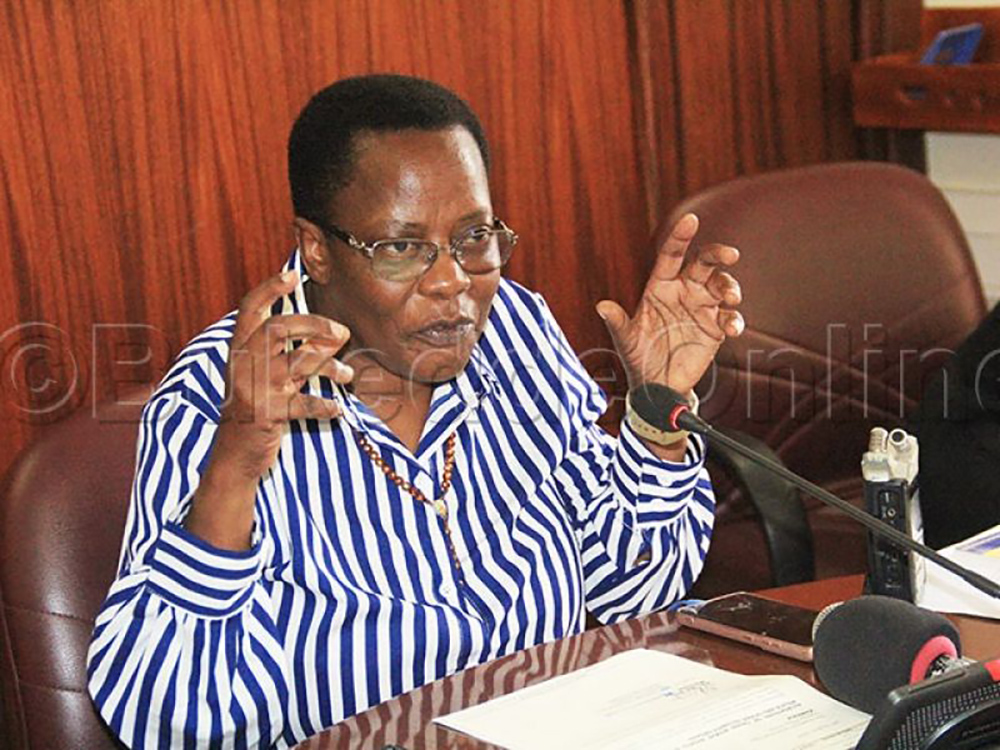
Mukono Municipality MP Betty Bakireke Nambooze
Minister, AG concedes
Muhoozi conceded to further amendments in respect to the provision on publication of false information.
“I want to concede and say we can do better on Clause 13. It is very broad, and we shall be amenable to any views that the two committees provide in that respect if we can size it up down to make it more concise. Clause 13 learned attorney general because it touches on a number of things, weaken, undermine, damage," Muhoozi said.
AG speaks out on registering foreign agents
Furthermore, the law mandates foreign agents to register in order to carry out lawful lobbying, other than the retrogressive actions listed above.
Something, despite reservations from several lawmakers, Attorney General Kiryowa explained, was not a contradiction.
“For being registered, you can do everything else for the interest of a foreigner except these ones. It may sound ridiculous, but it is actually serious. If, for example, I got a person who wanted me to come and lobby for them on a policy. For example, removal of taxes on something,” Kiryowa said.
“I go and tell the minister, I am an agent of a foreigner, I start lobbying in Parliament, everywhere, in Government, ministries. I lobby properly, get paid and move on. That’s the benefit you get. However, right now as it is, if you are not registered as an agent of a foreigner and you go around Government agencies trying to change a policy and it turns out you are doing it for the benefit of that foreigner, then you commit an offence,” he emphasised.
Certificate of financial implication
That said, it remains to be seen whether the sudden U-turn paves the way for the smooth passage of the Bill given that several issues, including the exorbitant fines and what the Uganda Law Society (ULS), in its April 29, 2026, letter its vice president Anthony Asiimwe wrote to planning state minister Amos Lugoloobi, described as a defective certificate of financial implication, remain unresolved.
“The certificate carries an additional financial burden of shillings 29.029 billion for administration, technology, capacity building and enforcement. This figure is presented as a single aggregate sum without itemisation, underlying methodology, assumptions, timeframe or distinction between capital and recurrent expenditure,” Asiimwe stated.
“Furthermore, the suggestion that first-year implementation costs can be absorbed with the existing Sh14.593 billion budget of the Department of Peace and Security is unrealistic. The Bill imposes extensive new functions on the Department, yet the certificate provides no analysis of how current expenditures would be reprioritised or reduced to accommodate them,” he added.