
Electoral Commission starts issuing voter location slips
EC deputy chairperson Hajjat Aisha Lubega said the issuance exercise commenced on December 15, 2025 and will run until January 13, 2026
Deputy Chairperson of Uganda's Electoral Commission (EC) Hajjat Aisha Lubega. (Credit: Miriam Namutebi)
____________________
In a bid to address challenges encountered in past elections, the Electoral Commission (EC) has commenced the nationwide issuance of Voter Location Slips (VLS) to enable registered voters to conveniently locate their respective polling stations on polling day.
Addressing representatives of political parties, presidential candidates, civil society organisations, election observers and the media at the Commission’s headquarters, EC deputy chairperson Hajjat Aisha Lubega said the issuance exercise commenced on December 15, 2025 and will run until January 13, 2026.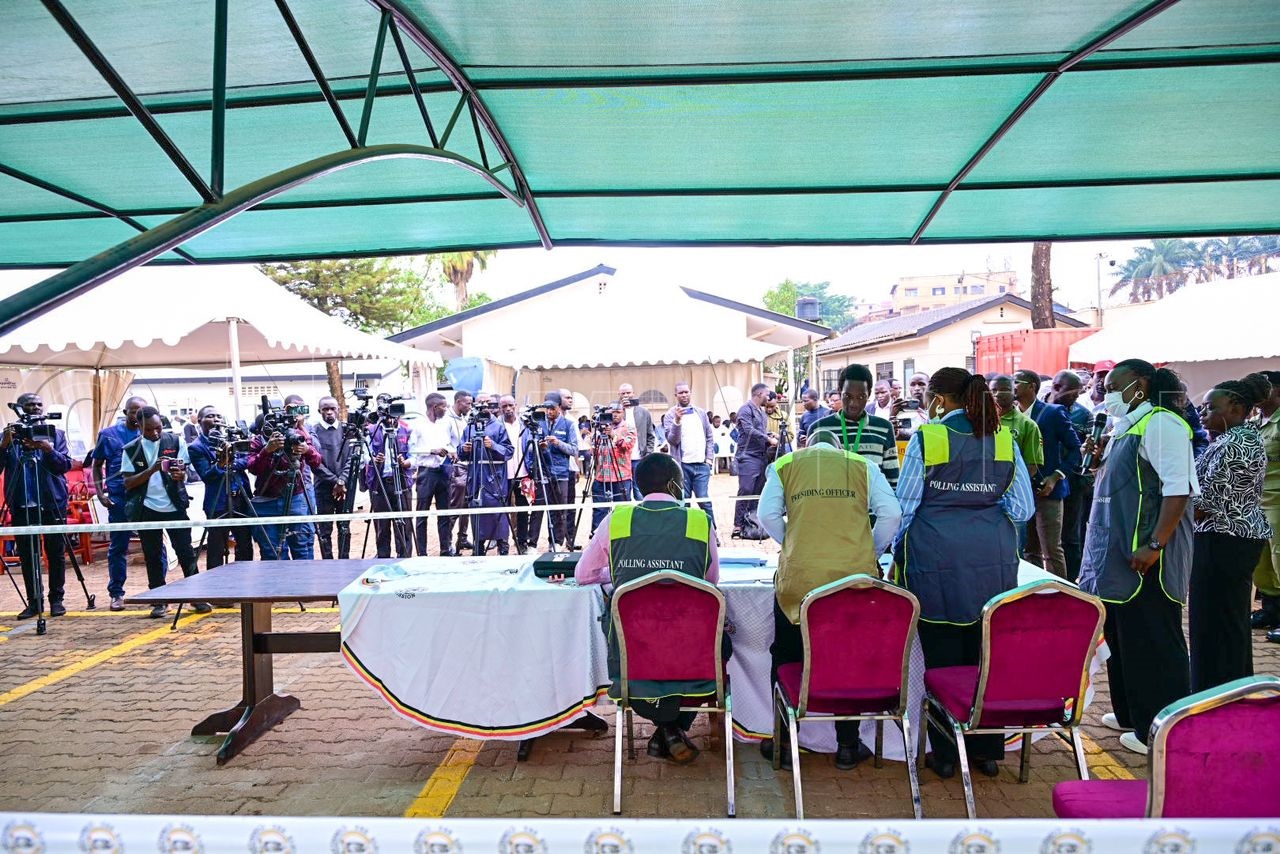
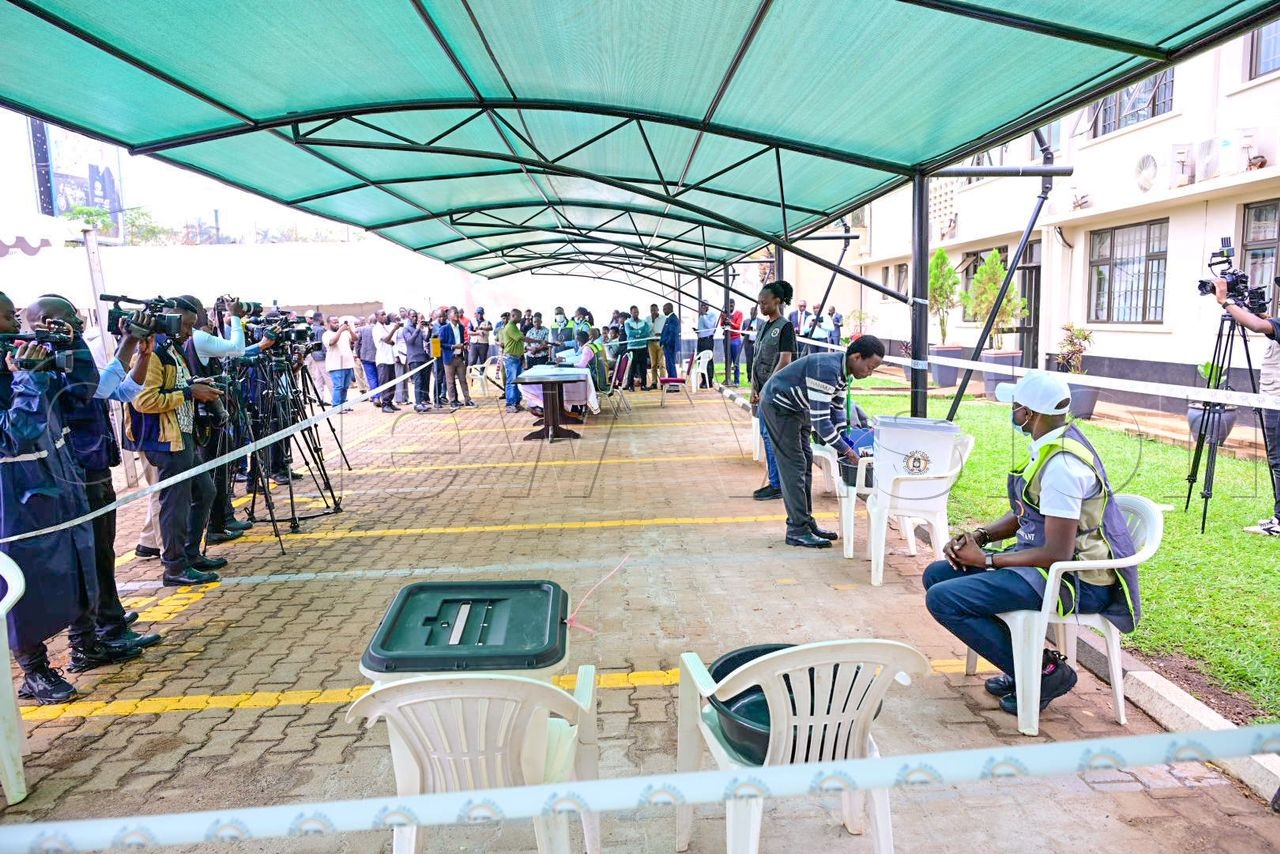
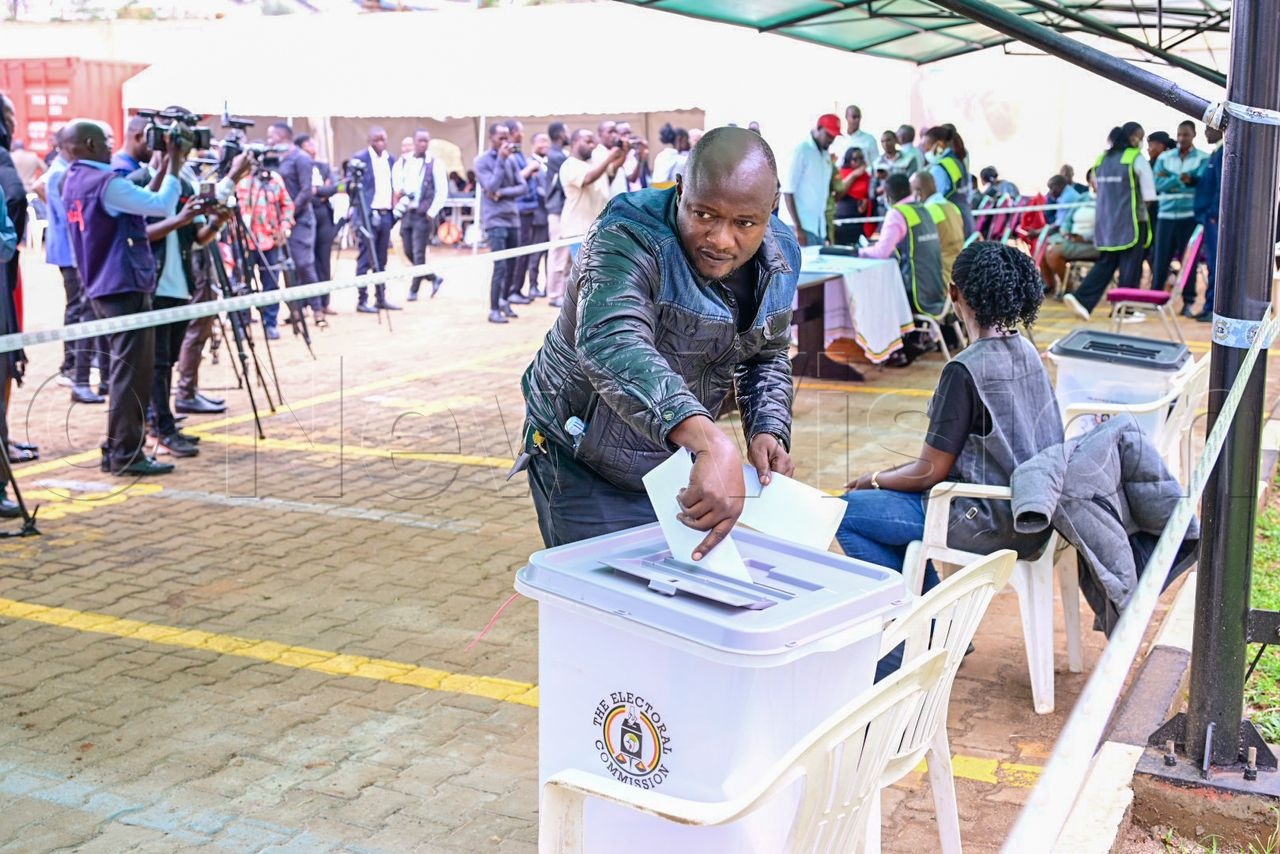
A total of 21,681,491 slips have been printed. Sources at the Commission told New Vision Online that the slips were printed by the EC machines. Lubega said the slips will be issued at each Parish/Ward across the country.
She said the slips bear the particulars of a voter, namely: Photograph, names, date of birth, and location (that is, the district, constituency, sub-county, parish and polling station).
The slips also bear unique barcodes, which will be read by the Biometric Voter Verification machines deployed at all polling stations across the country.
“The VLS will be used by voters at four rounds of elections during the General Elections 2026: At the Presidential/parliamentary, district/city chairpersons and councillors; municipality/city division chairpersons and councillors; and sub-county/town/municipal division chairpersons and councillors elections,” she said.
Lubega said the slips (VLS) are free of charge and should only be picked by the voter in person from the parish/ward supervisor once the issuance starts.
“We call upon all registered voters to collect their voter location slips from their respective parish Headquarters once we start giving them out. Voters should also carefully secure their voter location slips, so that the barcode is not tampered with,” Lubega advised.
The Commission also informed the team that it had revised the polling dates for elections of Special Interest Group (SIG) representatives both at the parliamentary and local government council levels.
Lubega said the changes affect the elections of representatives of persons with disabilities, youth, workers and older persons at both parliamentary and local government levels.
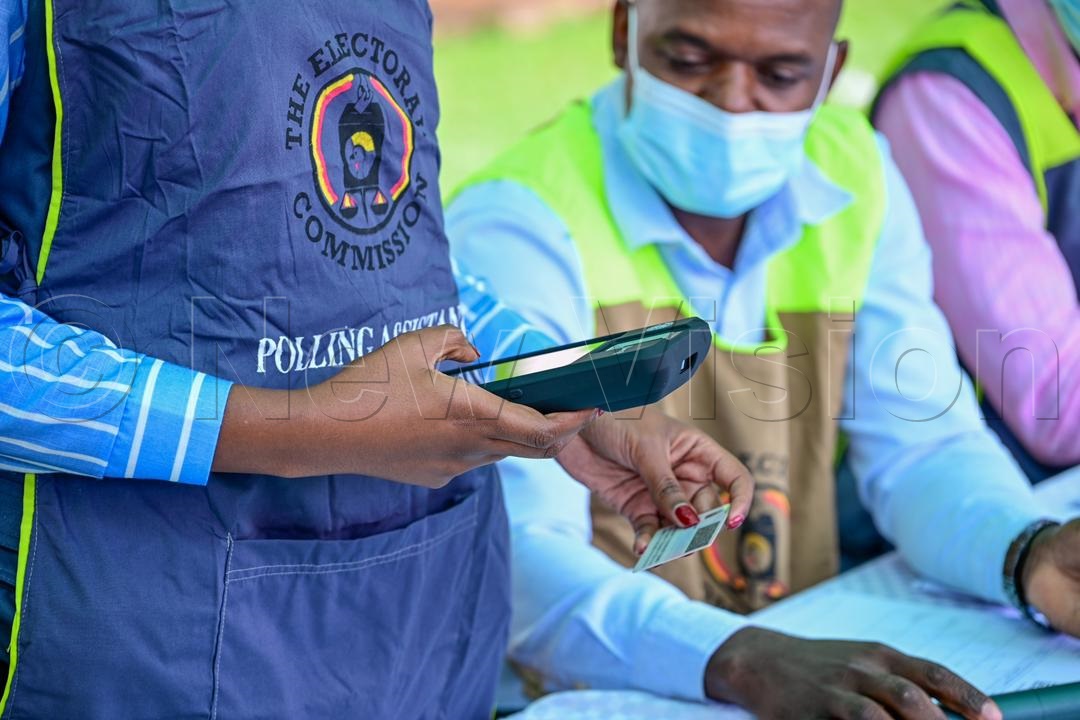
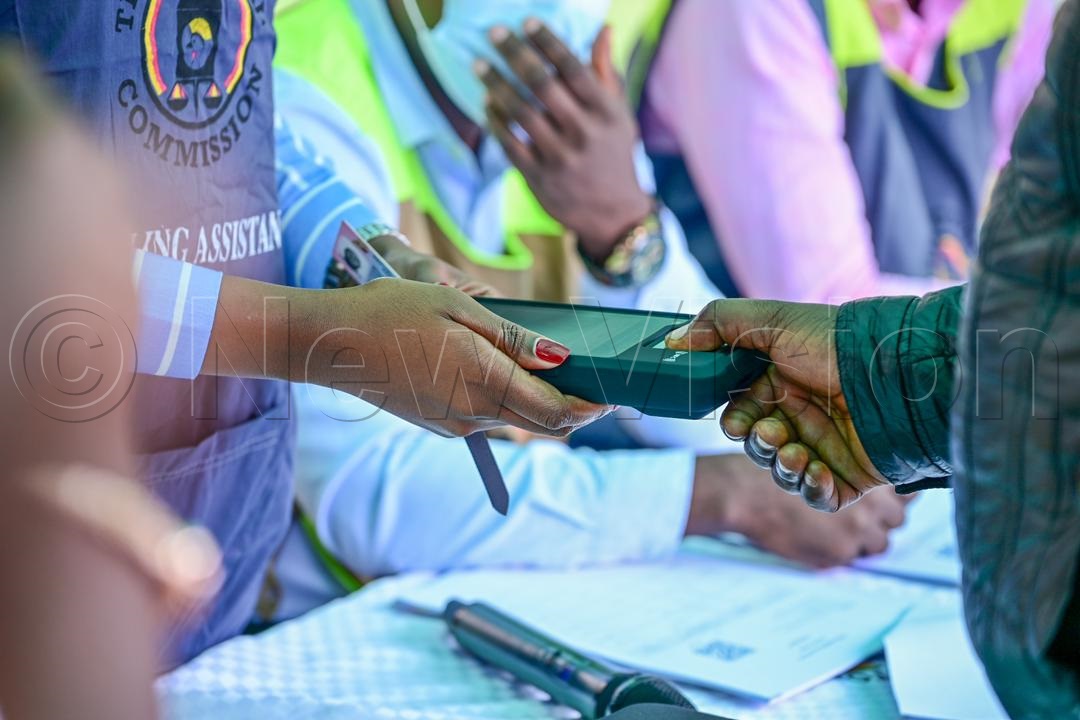
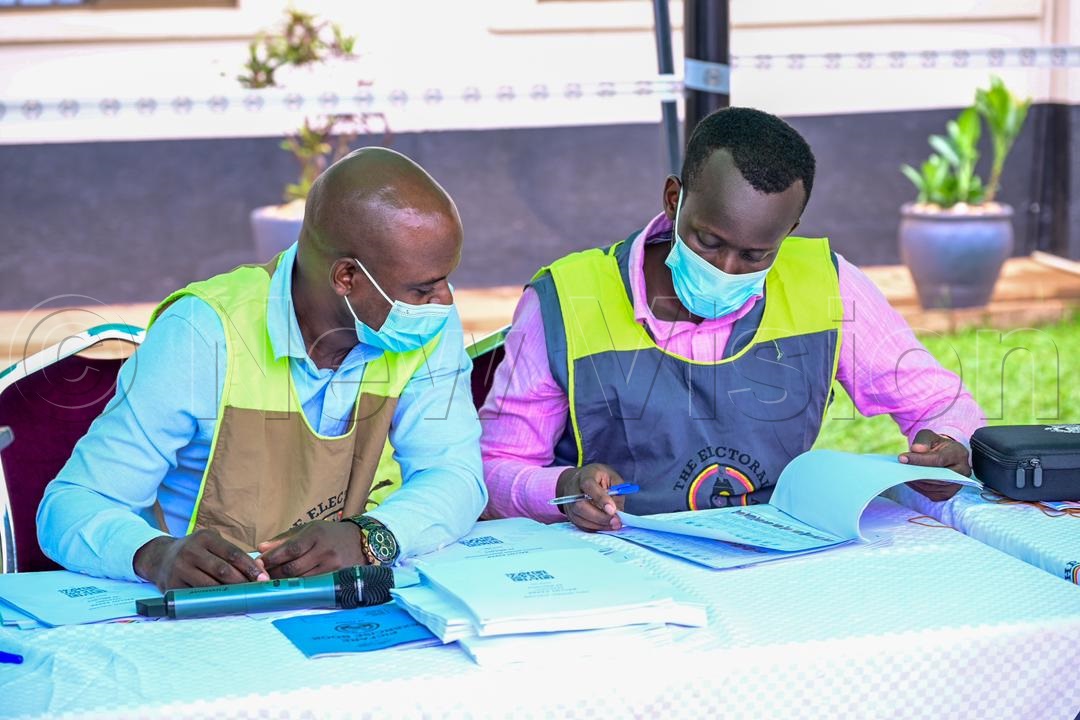
Verification of voter lists. (Credit: Miriam Namutebi)
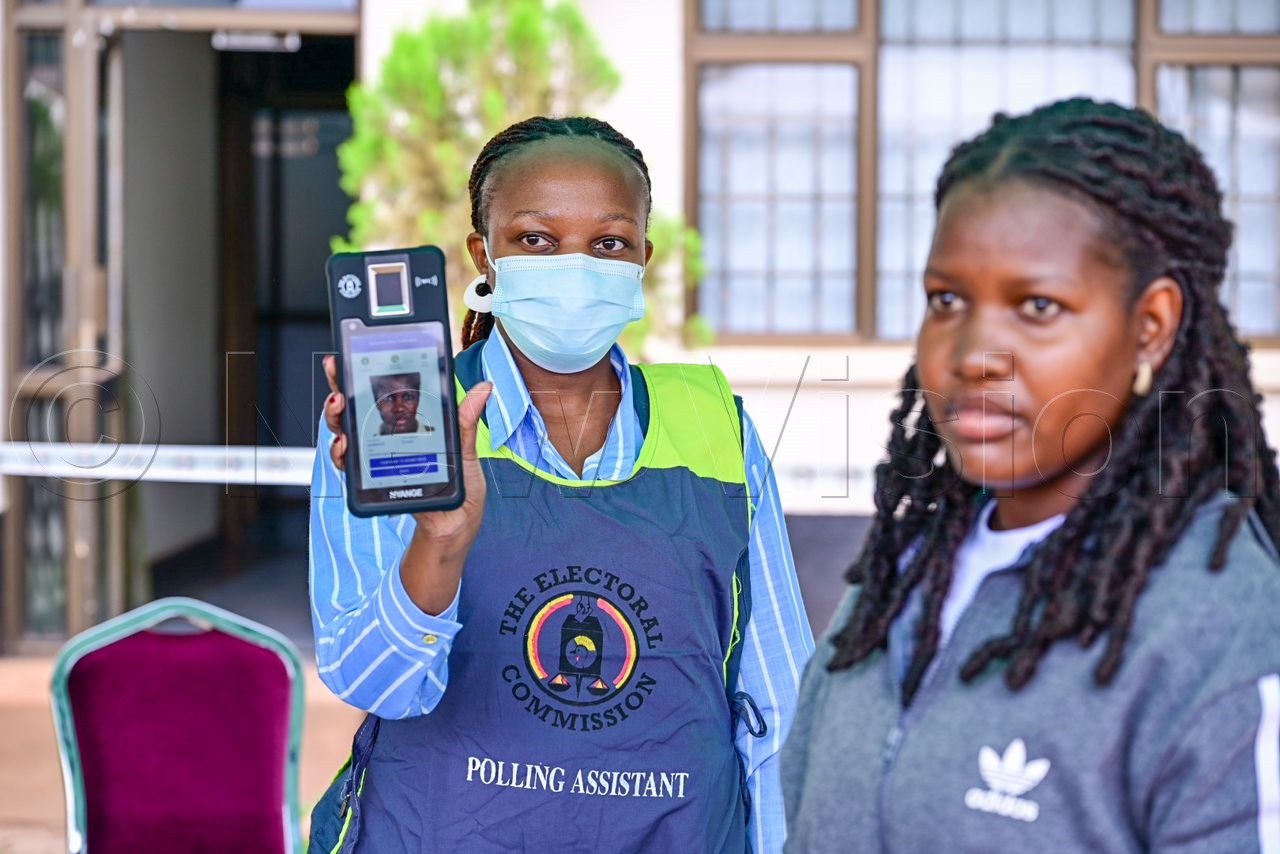
An electoral commission official shows the voters verified face after a facial recognition exercise. (Credit: Miriam Namutebi)
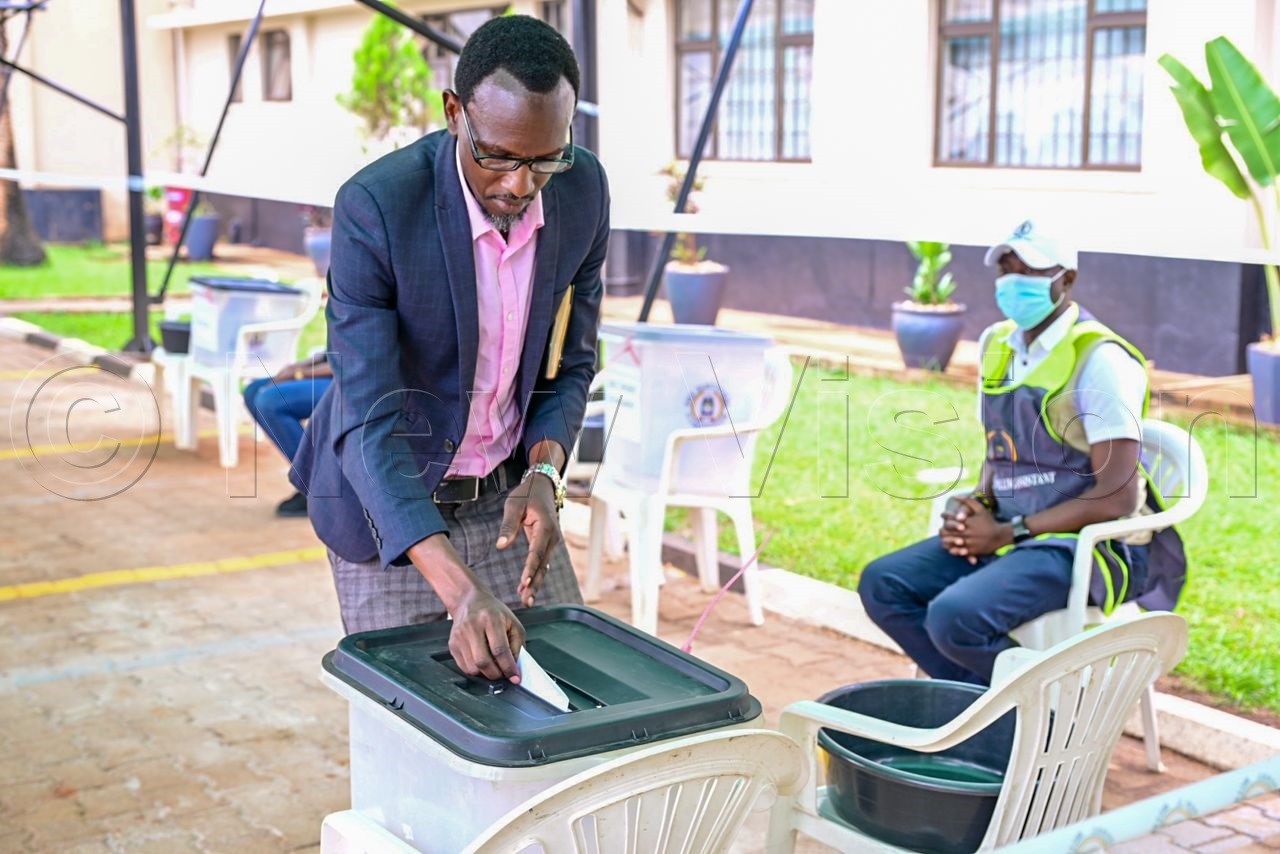
Lubega said the adjustments are intended to allow members of special interest groups to participate fully in both the general elections under universal adult suffrage and in their respective electoral college processes.
“These changes are meant to ensure that no category of voters or candidates is disadvantaged by overlapping electoral activities. All other election dates remain unchanged as earlier announced,” Lubega told the team.
According to the roadmap, the 2026 elections will kick off on January 15 with the election of the President, direct constituency MP and the District Woman MP.
Under the revised roadmap, the National Conference for the election of Persons with Disabilities (PWDs) representatives to Parliament has been moved from January 19 to February 3, 2026. Elections for SIG councillors, youth, older persons and PWDs, at sub-county, town and municipal division levels will now take place on January 30, 2026, instead of January 19.
The Commission also brought forward the National Conference for the election of Workers’ Representatives to Parliament from January 21 to January 19, 2026.
The National Female Youth Representatives to Parliament will be elected on February 6, 2026, rather than January 28, while regional Youth representatives to parliament will be chosen on January 28, 2026, earlier than the previously scheduled date of February 6.
Special interest groups represent marginalised communities in Parliament and local councils. Their elections, however, are conducted through electoral colleges rather than direct universal suffrage.
“I urge all stakeholders, particularly organisations representing special interest groups, to sensitise their members on the new dates to ensure full participation in the electoral process,” she said.