
Shortened term one tests schools and parents alike
The Ministry of Education and Sports initially announced February 2 as the opening date, but later revised it to February 10, citing security concerns and logistical challenges. The move left many stakeholders, including parents, anxious about tight schedules and the ability to meet academic requirements.
A student of Greenhill academy in Kibuli in Kampala rolling his suitcase during the opening day as first term starts. (Photo by Isaac Nuwagaba)
__________________
A squeezed first term triggered by the 2026 general elections has left Kampala teachers scrambling to recover lost teaching time, while parents face tight school fees deadlines and schools confront the risk of falling behind on the syllabus.
“Pushing the beginning of term one to an extra week has disrupted our capacity to meet syllabus deadlines compared to other years, which are election-free,” Hassan Wasswa, the deputy head teacher academics at Kakungulu Memorial Secondary School, said on Monday (February 9).
“In just a week to come, we shall start Ramathan month, and we need 30 minutes every day for ‘Taraweeh’ prayers, which squeezes our learners with one week now off our program,” Wasswa added.
A teacher and a security officer checking the suit case of a learner at Ebenezer Secondary Schoool Kisugu in Kampala during the school opening day on Monday, January 9, 2026. (Photo by Isaac Nuwagaba)
“We shall be expecting extra concentration from both learners and teachers due to extra lessons if we are to compensate for the lost time so far gone,” Wasswa insisted.
The Ministry of Education and Sports initially announced February 2 as the opening date, but later revised it to February 10, citing security concerns and logistical challenges. The move left many stakeholders, including parents, anxious about tight schedules and the ability to meet academic requirements.
As parents brought their children back to school, some expressed concern over school fees payments. Many had managed to pay only between 40 and 60 per cent of the required fees, while others signed payment commitments with schools.
“Some parents visited schools to negotiate payment schedules, taking advantage of the delayed start, but we shall be tightly fixed due to these changes,” Wasswa noted.
“The long holiday period has been marked by events that negatively affected some learners and parents, including the elections,” said Moses Okello, the director of studies at Ebenezer Secondary School Kisugu in Makindye Division, Kampala.
“Teachers are also grappling with unresolved salary issues, particularly the disparity between arts and science teachers. The government had pledged to address this issue, but no allocation was made in the 2026/27 budget,” Okello observed.
At Bethel Emma Nursery and Primary School Wabigalo, reporting began with new parents flocking to the school premises in search of vacancies for their children.
“Old parents have been coming since morning to check and bargain with us on how they want to pay school fees. The new ones also come here to change schools demanding vacancies, but the turn up is still very low,” said Annet Namakula, the head teacher.
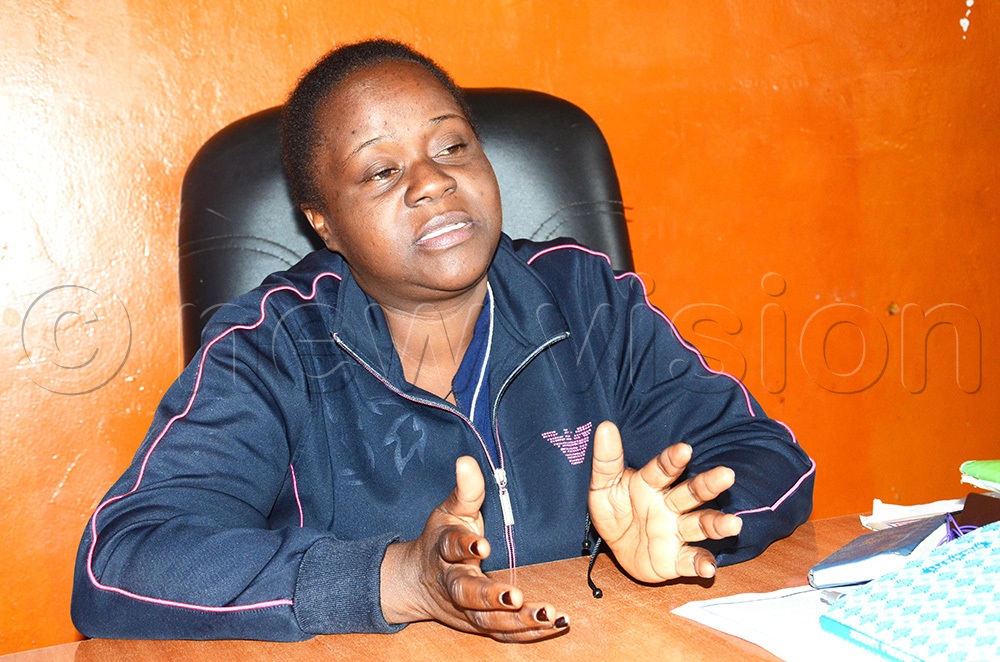
Annet Namakula, the head teacher of Bethel Emma Nursery and Primary Day and Boarding School in Wabigalo Kampala briefing about the school opening day on Monday January 9, 2026 (Photo by Isaac Nuwagaba)
With the general elections having just concluded, many parents remained anxious about potential election-related disruptions and the safety of their children.
“So far, the turn up is still low, but the students are coming slowly. The financial status of some parents is still alarming because most of them abandoned their work to villages expecting election violence, but we are speaking to them to bring their children,” Namakula added.
The school policy requires at least 60 per cent of school fees to be paid, as schools are operating under a limited time to cover the syllabus following the delayed reporting.
At Greenhill Academy, both the Primary and Secondary sections were receiving learners accompanied by their parents.
“Parents started reporting very early in the morning at 7am, but many turned up without full payments of school fees,” said Susan Namayanja, the head of administration.
Some learners may not report on the opening day due to a lack of school fees or health-related challenges, which are often communicated by parents after two or three days.
“Some parents have managed to pay part of school fees, but others have signed commitment notices with us, expecting to honour their payment plans,” Namayanja added.
“Some parents are worried about the situation in Kampala, wondering if it's peaceful to bring their children to school,” she noted.
Adella Rwendeire Nomugisha, a teacher and youth mental health advocate and facilitator at LEM Mindfulness Ltd, urged educators to look beyond syllabi and lesson plans and support learners facing mental health challenges.
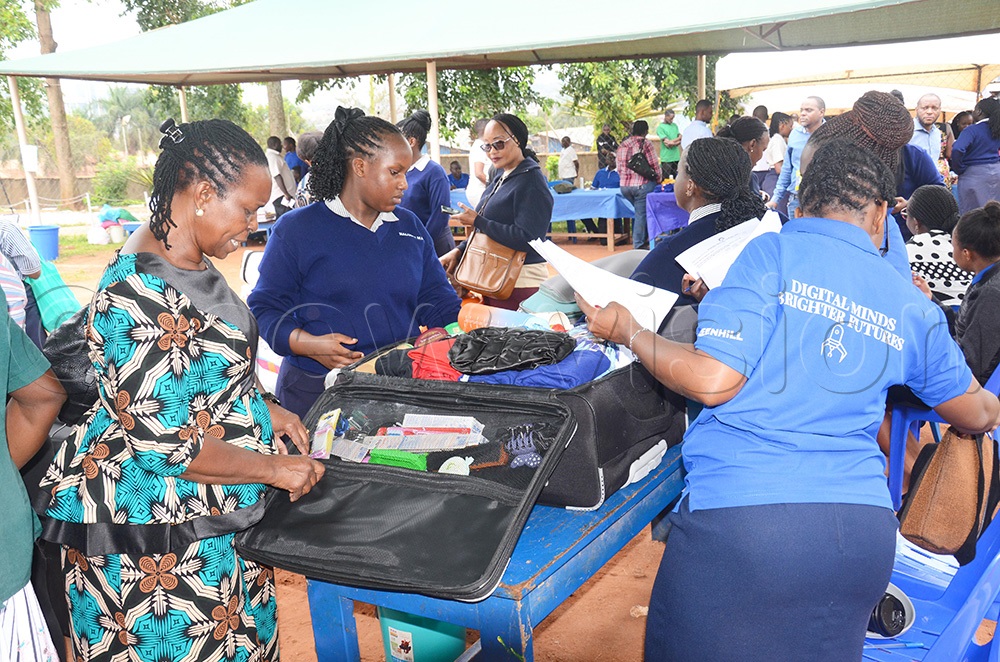
A Greenhill Academy matron checking a suitcase of a female learner at school premises in Kibuli Kampala during the opening day. (Photo by Isaac Nuwagaba)
“Academic excellence cannot thrive where mental and emotional well-being is ignored. When a learner is struggling on the inside, no amount of pressure will produce meaningful learning,” she emphasised.
Mental health support is not a weakness; it is a foundation for discipline, focus, and long-term success, Adella insisted.
“I urge teachers to intentionally care for the whole learner. Create spaces where students feel safe to speak. Recognise that behaviour is often communication. Normalise guidance, counselling, and mentorship as essential parts of school life,” she observed.